
Last updated October 16, 2026
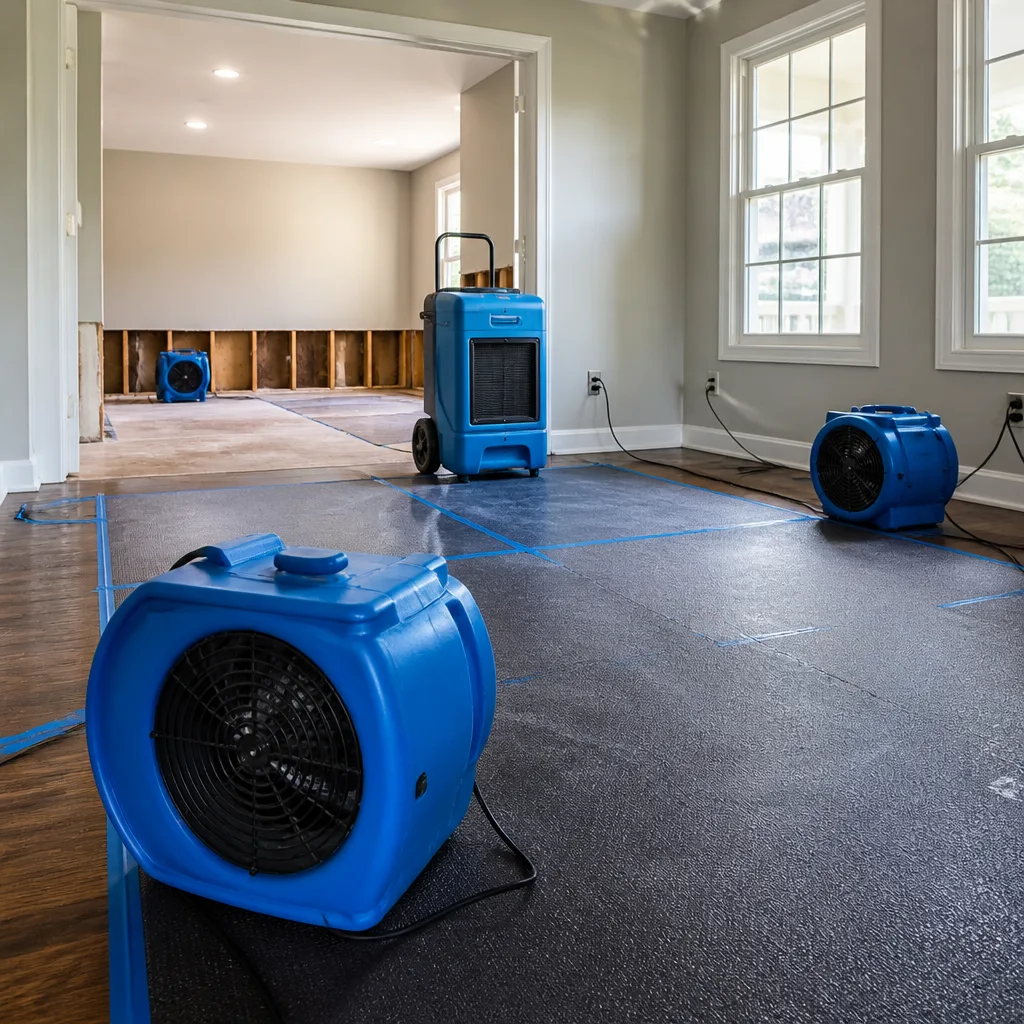 Water damage drying
 Fire & smoke cleanup
 Mold remediation
 Storm response
 Sewage cleanup
 Reconstruction
Free visual inspection and a written scope of work before any mitigation begins - photos, moisture readings, and drying logs go in your claim file
The scope we write is the scope we bill. Anything new gets shown to you, in writing, before we touch it.
Get your free estimateDamage Restoration Warning Signs: A San Diego Homeowner’s Reference Guide
Here’s a counterintuitive fact about water damage in San Diego: the most destructive leaks are rarely the ones you can see. A pinhole leak inside a wall cavity can run for eleven months, silently rotting framing, feeding mold colonies, and delaminating drywall before a single drop ever lands on your floor. In a coastal climate where salt air keeps everything slightly damp anyway, homeowners learn to live with subtle signs that would alarm a restorer in minutes. This guide connects the visible clues to the hidden problem underneath, puts dollar ranges on each stage, and shows you which signs demand same-day action versus which ones can wait a week. For related guidance, see our Seasonal Damage Restoration Care for San Diego: Year-Round Homeowner’s Guide. If you’ve noticed something odd and shrugged it off, read carefully.
Restoration work we handle
Quick Answer
The most common early warning signs of hidden water damage in San Diego homes are: a musty smell that fades when windows are open, paint bubbling or peeling in isolated patches, drywall that feels soft or spongy to the knuckle, baseboards warping away from the wall, and ceiling stains with brown or copper-colored rings. Each of these points to moisture behind a surface, not on it. Repairing the underlying cause early typically runs $400 to $1,800; waiting six to twelve months commonly turns the same problem into a $4,000 to $12,000 remediation job.
Table of Contents
- Symptom-to-Cause: What Each Warning Sign Actually Means
- San Diego-Specific Signs Most Guides Miss
- Cosmetic Fix vs. Real Repair: How to Tell the Difference
- Same-Day vs. Two-Week Window: Why Timing Matters
- Documenting Warning Signs Before a Contractor Arrives
- The Cost of Waiting: Stage-by-Stage Dollar Ranges
- Common Mistakes to Avoid
- When to Call a Professional
- Frequently Asked Questions
- The Bottom Line
Symptom-to-Cause: What Each Warning Sign Actually Means
Every visible symptom of water damage is a message from behind the surface. Here’s the translation key most San Diego homeowners never get. Each sign below is matched with what it points to structurally, and what fixing it typically costs at that stage. These are San Diego market rates from 2025, based on what we see across coastal and inland neighborhoods from Chula Vista to Escondido.
Bubbling or Peeling Paint
When paint bubbles or cracks in a localized patch, moisture is pushing against the paint film from behind. The water source is usually a pinhole leak in a supply line, a slow drain-line weep, or condensation inside an uninsulated wall cavity. On exterior walls in coastal areas like Ocean Beach or Point Loma, salt-laden air accelerates the failure once the paint film is compromised. Fixing the underlying cause at this stage typically runs $400 to $900 including drywall patching and repainting if the affected area is under four square feet. Left alone, the same patch becomes a mold colony and rotted stud in six to nine months, pushing the job to $2,500 and up.
Soft or Spongy Drywall
Drywall should feel firm and resist thumb pressure. If a section yields like cardboard left in the rain, the gypsum core has absorbed enough water to lose structural integrity. This rarely happens from a one-time spill. It takes prolonged exposure: a slow leak behind a shower valve, a condensation pan overflowing inside an HVAC closet, or irrigation water wicking up from a slab edge. At the soft-drywall stage, the repair typically means cutting out the affected section, drying the cavity with professional equipment like a Dri-Eaz dehumidifier, and replacing the board. Expect $800 to $1,800 in San Diego depending on wall accessibility and whether tile or cabinets are involved.
Stained Ceilings with Brown or Copper Rings
A brown stain with a distinct ring pattern means water pooled, evaporated, pooled again – a repeating cycle. Each ring is one episode. The water source above could be a roof penetration, a second-floor bathroom supply line, an AC drain pan, or a failing water heater on the floor above. The color tells you something too: brownish rings are usually from wood tannins or rust; copper-green stains often point to a pinhole leak in a copper pipe. A ceiling stain that is dry to the touch and hasn’t grown in a month may be an old, resolved leak. One that feels damp, grows, or darkens after rain needs investigation. Repair at the stain stage runs $500 to $1,500; if the leak is still active overhead, add the cost of the plumbing or roof repair, which is usually the real expense.
Warped or Lifting Baseboards
Baseboards pull away from the wall when the material behind them swells. MDF baseboards – common in San Diego tract homes built since the 1990s – act like a sponge and will visibly bulge or separate with even moderate moisture. This sign frequently appears in kitchens, bathrooms, and along exterior walls where sprinkler overspray soaks the foundation edge. Pulling a single baseboard off to check behind it usually reveals the truth in thirty seconds: either dry framing and a minor past event, or damp framing, darkened wood, and sometimes visible fungal growth. Baseboard replacement with investigation runs $250 to $700. If the framing behind it is wet, you’re looking at a broader drying job, which is where water damage restoration in San Diego pricing enters the picture.
Efflorescence on Concrete
If you see a powdery white or chalky deposit on a slab floor, foundation wall, or concrete step, that’s efflorescence. It’s dissolved mineral salts left behind when water moves through concrete and evaporates at the surface. Efflorescence itself isn’t harmful, but it is proof that water is actively traveling through your slab or masonry. Inside a home on a concrete slab, efflorescence near baseboards or under flooring signals a moisture source under the slab – often a leaking or mispressured irrigation line, a plumbing leak in an under-slab line, or hydrostatic pressure from high water tables in low-lying areas like Mission Valley. Treating the concrete surface without addressing the water source is a waste of money: the efflorescence returns in months. Investigation and targeted repair here runs $500 to $3,000 depending on whether the source is above or below the slab.
Musty Smell That Fades with Ventilation
The smell of microbial volatile organic compounds, which is what a musty odor actually is, tells you mold or bacteria is actively growing somewhere. When the smell fades with open windows, you’ve simply diluted the evidence, not removed the source. In San Diego homes this is the single most-ignored sign we encounter. Homeowners attribute it to the marine layer, the old carpet, the dog. In our experience, a musty smell that persists after cleaning traces to hidden moisture behind a wall, under flooring, or inside a cabinet void in roughly nine out of ten investigations. Because mold growth inside a cavity can be extensive before it becomes visible, a smell-only complaint typically becomes a $1,200 to $4,500 mold remediation in San Diego job once the source is opened and assessed.
San Diego-Specific Signs Most Guides Miss
Generic water damage guides are written for a national audience with basements and freezing winters. San Diego’s climate, soil, and building patterns create a distinct set of warning signs that deserve their own explanation. Here are three we regularly see that rarely appear in the standard literature.
Rust Staining at Drywall Fasteners
In coastal neighborhoods – La Jolla, Pacific Beach, Carlsbad – salt-laden air accelerates corrosion on exposed metal. When you see small rust-colored spots or streaks at drywall screw heads, or where nails were driven into studs, moisture is condensing inside that wall cavity. The fasteners are the first thing to rust because they’re metal in contact with damp gypsum. This sign is easy to dismiss as cosmetic, but it is a moisture indicator. In most inland climates, rusted fasteners mean an active leak. In coastal San Diego, they can also point to chronic condensation from a poorly insulated wall, which lets mold grow just the same. If you notice this on a wall that faces the prevailing wind from the ocean, remove a switch plate and feel inside the wall cavity for dampness and look for mold staining on the backside of the drywall.
Interior Slab Cracks Widening Seasonally
Many San Diego homes sit on concrete slabs, and most slabs have hairline cracks. The distinction that matters is whether the crack changes. A crack that widens in late summer and narrows in winter is responding to soil moisture swings and is usually benign. A crack that widens steadily regardless of season, or that emits a white chalky residue, or that corresponds to a specific irrigation zone running, points to water saturation under the slab. In neighborhoods with older irrigation systems – parts of Clairemont, Allied Gardens, and El Cajon – a cracked irrigation line under the slab is a common culprit. The soil around the pipe saturates, expands, and presses upward on the slab. The crack itself is not the problem; the water source below it is. Investigating this properly means tracking irrigation zones with the system running and watching for movement or seepage, not just filling the crack with patching compound.
Dark Grout Lines That Stay Dark After Cleaning
Grout darkens when it’s wet. If you scrub a shower floor or bathroom grout line, it lightens when dry – unless the moisture is coming from behind. Grout that darkens back within hours of cleaning, or that stays dark in a specific area, is wicking water from a compromised waterproofing layer or a slow leak in the shower pan. This is particularly relevant in San Diego’s older coastal housing stock, where showers were often built before modern waterproofing standards, and where hard water masks the discoloration for years. A shower pan leak is the hidden version of the problem: no standing water, no dripping sound, just a slow, constant transfer of moisture into the subfloor and adjacent wall cavities. By the time a homeowner notices the dark grout line and the musty bedroom wall behind the shower, the subfloor repair typically runs $3,000 to $8,000 depending on whether the pan needs a full replacement.
Cosmetic Fix vs. Real Repair: How to Tell the Difference
Here’s an uncomfortable truth about the restoration industry: some contractors will sell you a cosmetic fix at a real-repair price, which is why our How to Hire a Damage Restoration Contractor in San Diego: A Step-by-Step Guide covers red flags to watch for. They’ll patch the drywall, paint over the stain, and replace the baseboard. Then they’ll leave the leak, the moisture source, or the mold colony exactly where it was, behind the new surface. Six months later the problem reappears, and the same contractor tells you it’s a new issue.
This dynamic is why we put the 365-Day Done Right Promise in writing on every job. If a covered repair fails within a full year, Dryden Restoration San Diego home returns and corrects it at no charge. That guarantee forces us to distinguish carefully between a cosmetic fix and a real repair before we ever pick up a tool. Here’s how you can make the distinction yourself before signing anything:
- Ask directly: “Is this treating the symptom or the source?” A real contractor will answer without hesitation, usually by walking you through the moisture source, how they’ll stop it, and how they’ll verify it’s dry before closing the wall. A cosmetic contractor will talk about the finish work – the paint, the patch, the texture match – and deflect from the source question.
- Ask how they’ll verify the area is dry before closing. The correct answer involves a moisture meter (a device that reads moisture content inside building materials) and, for larger jobs, professional drying equipment like a Dri-Eaz or Phoenix dehumidifier running until the framing reaches acceptable moisture levels. The wrong answer is “we’ll let it air out” or no answer at all.
- Ask whether the repair is covered in writing and for how long. A contractor who stands behind source-level repair will put it in writing without hesitation. One who hedges, or says “we don’t really do written warranties,” is telling you something about the repair you’re about to pay for.
- Ask what happens if the stain comes back. Our answer is specific: if the covered repair fails within a year, we return, reopen the area, find what we missed, and correct it at no charge. The Kingswell Way is simple – say the price before the work, show up in the window we gave, leave the place cleaner than we found it, put the guarantee in writing, and come back if it fails. That’s the standard against which you should measure any contractor’s answer.
One more distinction that matters: a cosmetic fix is not always the wrong call. If the leak was resolved years ago and you’re simply tired of looking at the old stain, a patch-and-paint job is a legitimate, honest choice, and should cost far less than a full restoration. The problem is paying source-level prices for a cosmetic result. The repair should be priced, scoped, and guaranteed as what it actually is.
Same-Day vs. Two-Week Window: Why Timing Matters
Not every warning sign is an emergency, and treating every sign as one is how honest homeowners get oversold. Here’s the realistic breakdown of what needs action now versus what can wait, and the structural reason behind each timeline. Speed matters when water is actively moving; it matters less when the water has stopped and what you’re looking at is the residue of an old event.
Same-Day Action Required
- Active water intrusion you cannot stop. Water pooling around a water heater, bubbling up from a slab, or streaming from a ceiling is damaging everything it touches, and the damage multiplies by the hour. Shut off the water supply if you can, then call for emergency response. This is the one scenario where every minute genuinely counts for insurance documentation and structural preservation.
- Sewage or contaminated water backing up. Category 3 water, in restoration terminology, carries pathogens and requires containment, disinfection, and proper disposal. This is not a DIY situation. The affected area should be isolated and professionally handled, ideally same day.
- A mold bloom that appeared rapidly. If a visible mold patch was not there last week and is now the size of a dinner plate, the underlying moisture source is actively feeding it. Mold colonies can expand by release of spores within days. A rapid bloom usually means an active leak, not a slow one.
- Electrical system contact with water. Water that has reached outlets, switches, a breaker panel, or wiring is a shock and fire hazard. Kill the circuit at the panel and call both an electrician and a restoration company. Do not stand in the water.
One to Two Week Decision Window
- A stained ceiling that has not grown in a month. If the stain is dry, has a stable shape, and you can identify the resolved source (the roof was repaired, the bathroom was remodeled), you have time to get multiple assessments and written scopes. Cover the stain with plastic if you’re worried about continued leakage, and document it with photos before calling contractors.
- Efflorescence on a garage floor or exterior wall. The mineral deposit itself is not hazardous, and the water source – usually irrigation overspray or condensation – can often be identified and adjusted with a simple test: turn off the irrigation zone for a week and watch whether the efflorescence fades or stops advancing.
- A persistent musty smell in a contained area. This deserves investigation within a couple of weeks, but it is rarely a same-day emergency unless accompanied by visible growth or health symptoms. The mold inside the cavity has likely been there for months already. A scheduled professional assessment with a thermal camera and moisture meter is the right next step.
- Warped baseboards with no active wetness. If the board is warped but the wall behind it reads dry on a moisture meter, you’re looking at a past event. Replace the board when convenient, and monitor. If the warping is new or progressing, move this up to the same-day category: something is still wet.
One nuanced point about that timeline: it assumes the source is stopped or stopping. A contractor who tells you a ceiling stain with an active roof leak can wait two weeks is not doing you a favor. The urgency question is always answered by one fact: is water still entering the structure? Yes means now. No means you can breathe and make a measured decision.
Documenting Warning Signs Before a Contractor Arrives
Good documentation does two things: it preserves the evidence for insurance purposes, and it gives the restoration contractor a clear picture before they arrive. Documentation is rarely the difference between a covered and denied claim, but it is often the difference between a smooth claim and a slow one. Insurance adjusters work from evidence, and your photos and notes become part of the file. Here’s the process we recommend to San Diego homeowners who notice a warning sign:
- Photograph the sign before touching anything. Use your phone, get close enough that the sign is clearly visible, and pull back for a wider context shot. Include a reference object – a quarter, a ruler, a dollar bill – so scale is clear. Take at least three angles: straight on, from the side (which shows bubbling or warping depth), and from the room to place the sign in context.
- Photograph the area around the sign. The adjacent baseboard, the floor below a ceiling stain, the wall on the other side. Water travels. The full path matters for the adjuster’s file and the restoration scope.
- Write down the timeline as you know it. When did you first notice it? Has it changed since – bigger, darker, softer? Did it appear after a specific event: a rainstorm, an irrigation repair, a plumbing service call? Date the notes. Memory softens within weeks, and your written notes become the reliable record.
- Note the physical location precisely. “East wall of the guest bedroom, 18 inches from the corner where it meets the hallway wall, starting about 5 feet up.” This level of detail matters more than homeowners expect when a remediation crew needs to locate the moisture source.
- If there is active water, photograph a short video too. A 10-second video showing dripping, pooling, or running water captures the mechanism in a way still photos cannot. Send it to your insurer and your restoration contractor.
- Keep a copy of everything you send to your insurer. Email the photos to yourself so they’re timestamped and stored off your phone. If the phone dies or is damaged in the same event that caused the water intrusion, your evidence survives.
This documentation matters for another reason too: it anchors the “before” picture. When the restoration is complete and the contractor has rebuilt the area, you’ll want proof of what it looked like before the work. The Kingswell guarantee is written, not verbal, but it applies to covered repairs – and the before photos are the baseline that defines the scope of the work. Photographing before work starts is part of how we protect your guarantee.
The Cost of Waiting: Stage-by-Stage Dollar Ranges
Money is the clearest way to understand what waiting costs. This is the San Diego market pricing we see across our service area, for a typical single-family home. Ranges vary by square footage, accessibility, and finish type, but the pattern holds: every stage you let pass roughly triples the next stage’s cost. Here’s the arc for a typical hidden leak behind a kitchen wall.
- Stage 1 – The sign only. Bubbling paint, a faint musty smell, a baseboard starting to lift. The leak is small and the affected area is under four square feet. Investigation plus targeted repair plus paint: $400 to $900.
- Stage 2 – The sign plus material saturation. The drywall is soft, the baseboard has visibly warped, mold is beginning to colonize the cavity. This requires cutting out affected drywall, drying the cavity with professional equipment, replacing insulation if present, and refinishing. Full scope including drying time and materials: $1,500 to $3,500.
- Stage 3 – The sign plus mold spread plus structural damage. The mold has spread into the framing, flooring beneath the wall is cupping, and the studs are showing signs of rot. This requires full containment (plastic barriers and negative air pressure to keep spores from spreading), professional mold remediation, possible subfloor repair, and full rebuild of the affected wall: $4,000 to $12,000.
- Stage 4 – The sign plus total loss of the affected materials. The leak has run long enough to compromise a structural member, or mold has spread far enough to make sectioning and disposal the only viable approach. This is the full-scale restoration job, often involving kitchen cabinet tear-out, countertop removal, and days of professional drying with Dri-Eaz and Phoenix equipment following IICRC water-loss guidelines: $12,000 to $30,000, and sometimes higher in high-end homes with custom finishes.
The step from Stage 1 to Stage 2 is the one most San Diego homeowners miss because the signs are subtle. The step from Stage 2 to Stage 3 is the one that shocks people at the estimate table. The first step happens silently, over months, without any dramatic event to mark the transition. This is why a written price before work starts, with a clear scope, is so important. It’s the difference between a planned repair and a financial surprise.
Common Mistakes to Avoid
- Painting over a stain without finding the source. A stain block primer will hide the discoloration for a few months. It does nothing to stop the moisture, and the stain always returns, usually bigger, because the source has had more time to spread. If your painter doesn’t ask what caused the stain, find a different person to assess the problem first.
- Assuming a musty smell is “just the beach” or “just the old carpet.” The beach smell you’re thinking of is salt and seaweed, not must. If the smell intensifies when the house is closed up and fades when windows are open, that’s a moisture signal. The source is inside the house, not outside it.
- Running a dehumidifier indefinitely instead of finding the leak. A dehumidifier controls the symptom (humidity) but does nothing to stop the water source. In a San Diego house with a slow slab leak, the dehumidifier may run for months, add hundreds to the electric bill, and let the structural damage continue behind the wall. Find the source; then run equipment as needed.
- Letting irrigation overspray hit the foundation or exterior walls for months on end. San Diego sprinkler systems are famous for this. A misaligned head that sprays the house foundation every cycle is a slow-motion water damage case. Adjust the heads, repair the zone, and check the soil slope so water drains away from the slab.
- Waiting to file an insurance claim until the full scope is visible. Insurance policies typically require timely reporting of a loss. Delaying a claim can complicate coverage. Document the sign the moment you see it, notify your insurer, and let the adjuster and restoration contractor figure out the scope. Reporting early does not commit you to a claim; it protects your position.
- Choosing a contractor based on price alone. The cheapest bid on a restoration job is often the one that skips the drying phase or uses homeowner-grade equipment instead of professional dehumidifiers and air movers. In restoration, the price is what you pay; the drying is what you get. A job that dries improperly becomes a mold job within a year, which is exactly what the 365-Day Done Right Promise protects against when you choose a contractor who puts it in writing.
- Ignoring warped baseboards because “the house is old.” Old houses move, yes. But baseboard warping is not a normal consequence of age; it’s a consequence of moisture. The frame movement you see in a 1970s San Diego ranch is one thing; a baseboard cupping and pulling away from the wall is another. Check the source before you dismiss it.
When to Call a Professional
Call a professional when the sign points to a moisture source you cannot see or access yourself. That’s the honest dividing line. If you can see the leak under the sink and the cabinet interior is bone dry, a handyman with a wrench can likely handle it. If the sign is on a ceiling, behind a wall, under a slab, or inside a wall cavity – call someone who does this every day. Specifically, call when a stain is wet or growing, when a musty smell persists after cleaning, when soft drywall is present, or when you see visible mold of any size on porous material. Mold on drywall, insulation, or wood is never surface-only; the root system penetrates. If you’ve already documented the signs with photos and notes, you’re ahead of the process. Fire damage restoration in San Diego runs on the same principle: the visible damage is rarely the full story. Dryden Restoration San Diego offers free estimates throughout San Diego County – call (619) 453-0410 and a live person answers, 24 hours a day, 7 days a week. We’ll schedule a written assessment, explain exactly what we’re seeing, and hand you a written price before any work starts.
Frequently Asked Questions
Water damage restoration in San Diego typically costs between $1,500 and $12,000 depending on the stage of damage, the square footage affected, and whether mold remediation is included. A Stage 1 catch – a small leak caught at the first visible sign – can be repaired for under $1,000. A Stage 3 job involving mold spread and structural repair routinely exceeds $5,000. Every job at Dryden Restoration San Diego includes a written price before work starts. Call (619) 453-0410 for a free assessment.
Most San Diego homeowner’s policies cover sudden and accidental water damage – a burst pipe, a failed water heater, a storm event – but exclude damage from long-term slow leaks, seepage, or lack of maintenance. This is exactly why documentation matters: your photos, timeline notes, and prompt reporting to the insurer establish when you noticed the sign and what you did about it. Restoration contractors who work regularly with insurers can help you navigate the adjuster process. The earlier you report, the stronger your position.
Fresh water is clear and leaves a darker, expanding stain on drywall or wood. Old water damage appears as dried brown or copper-colored rings, possibly with white efflorescence at edges. A brown ring pattern with distinct concentric circles means multiple wet-dry cycles over time. A moisture meter reading from a restoration professional settles the question definitively in minutes.
For active water intrusion, same-day response is standard in the restoration industry because the damage compounds hourly. Our phones are answered by a live person around the clock, and we dispatch crews daily across San Diego County from Chula Vista to Oceanside. For non-emergency assessment – a stale stain, a persistent smell – we typically schedule within one to two business days.
Do not attempt to clean mold on drywall, insulation, or wood yourself. Disturbing a mold colony releases spores and can spread contamination into adjacent rooms and HVAC ducts. For mold on non-porous surfaces like tile or glass, household cleaning can be adequate for small patches. But mold on porous materials requires professional containment, HEPA-filtered air cleaning, and proper disposal following IICRC standards. The mold remediation assessment should happen before any cleaning attempt.
Efflorescence on a garage floor is a sign of water moving through the concrete, yes. It tells you moisture is present and evaporating at the surface. The seriousness depends on the source: irrigation overspray or condensation is usually a simple fix, while under-slab plumbing leaks or rising groundwater is a significant repair. The first step is isolating the source with a simple test – turn off irrigation zones one at a time for a week and watch whether the efflorescence stops advancing. If it doesn’t, call for a professional assessment.
The Bottom Line
Warning signs of water damage are not random. Each one points to a specific moisture source, and the cost of ignoring it compounds on a predictable curve: $500 to $900 at the first visible sign, $1,500 to $3,500 at material saturation, $4,000 to $12,000 once mold and structural damage set in. San Diego’s coastal climate extends the confusing window because salt air, marine layer moisture, and irrigation overspray give homeowners plausible false explanations for what they’re seeing. The musty smell is the most reliable and most ignored early warning in this city. If you’ve noticed a sign and you’re not sure what it means, document it, get a professional assessment, and insist on a written price and a written guarantee. That’s the standard Dryden Restoration San Diego operates under every day. Explore more guides & resources for protecting your home.
Written by Carl Brandt, Owner at Dryden Restoration San Diego, serving San Diego since 2005.
See the difference
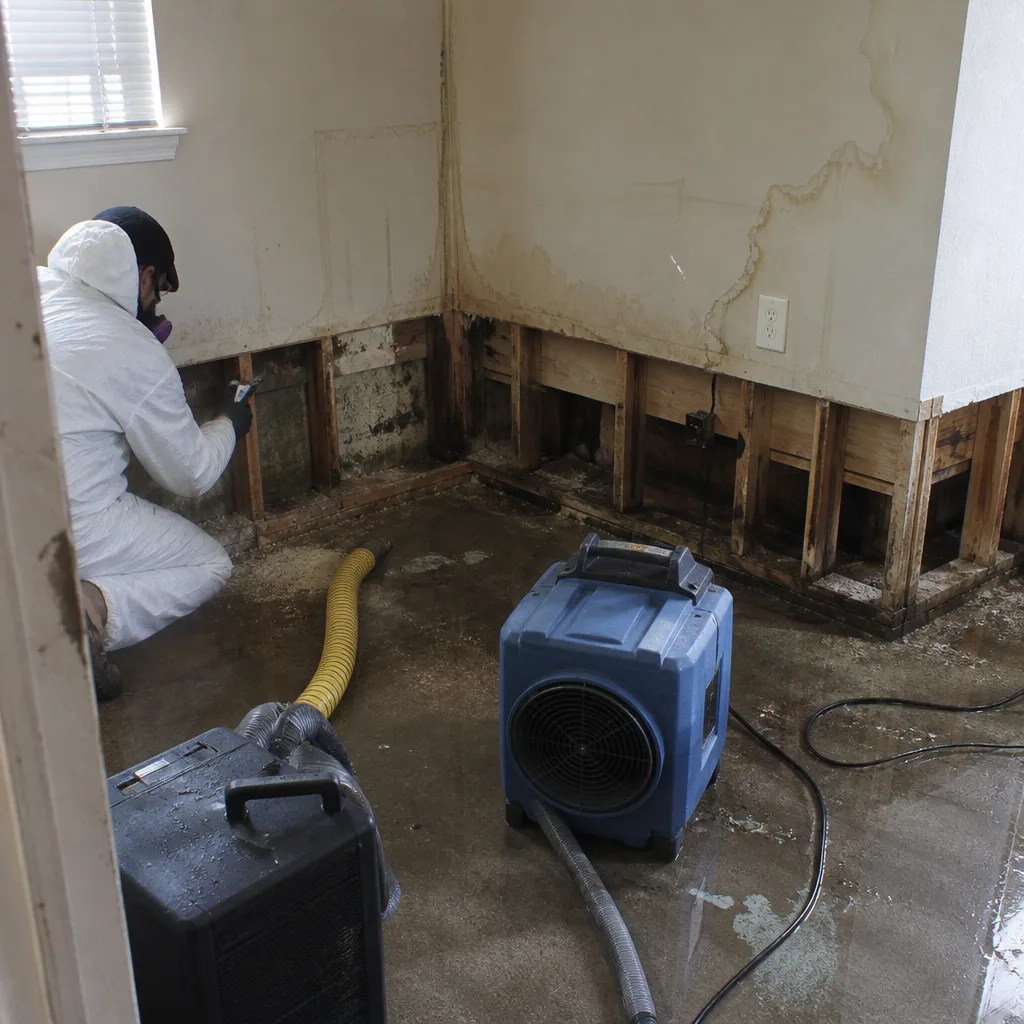 Before
 After
After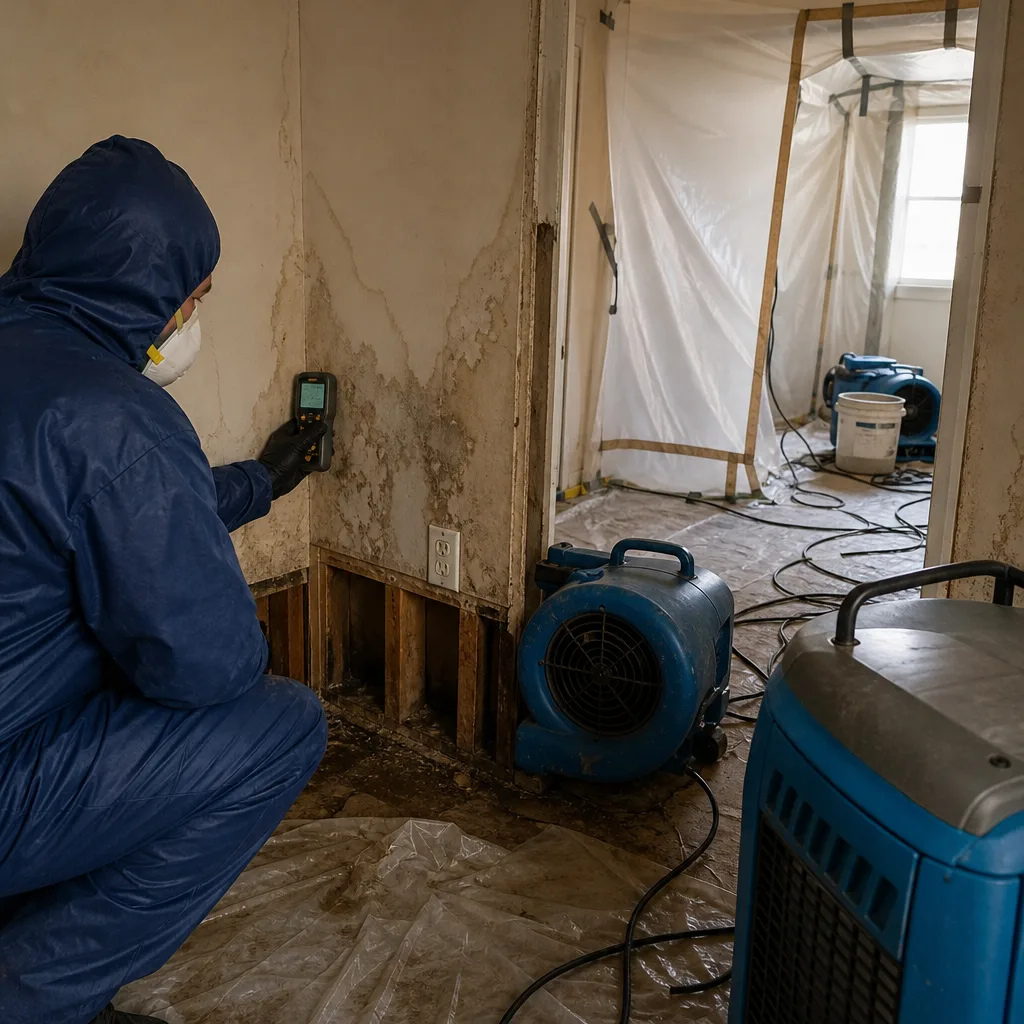 Before
 After
After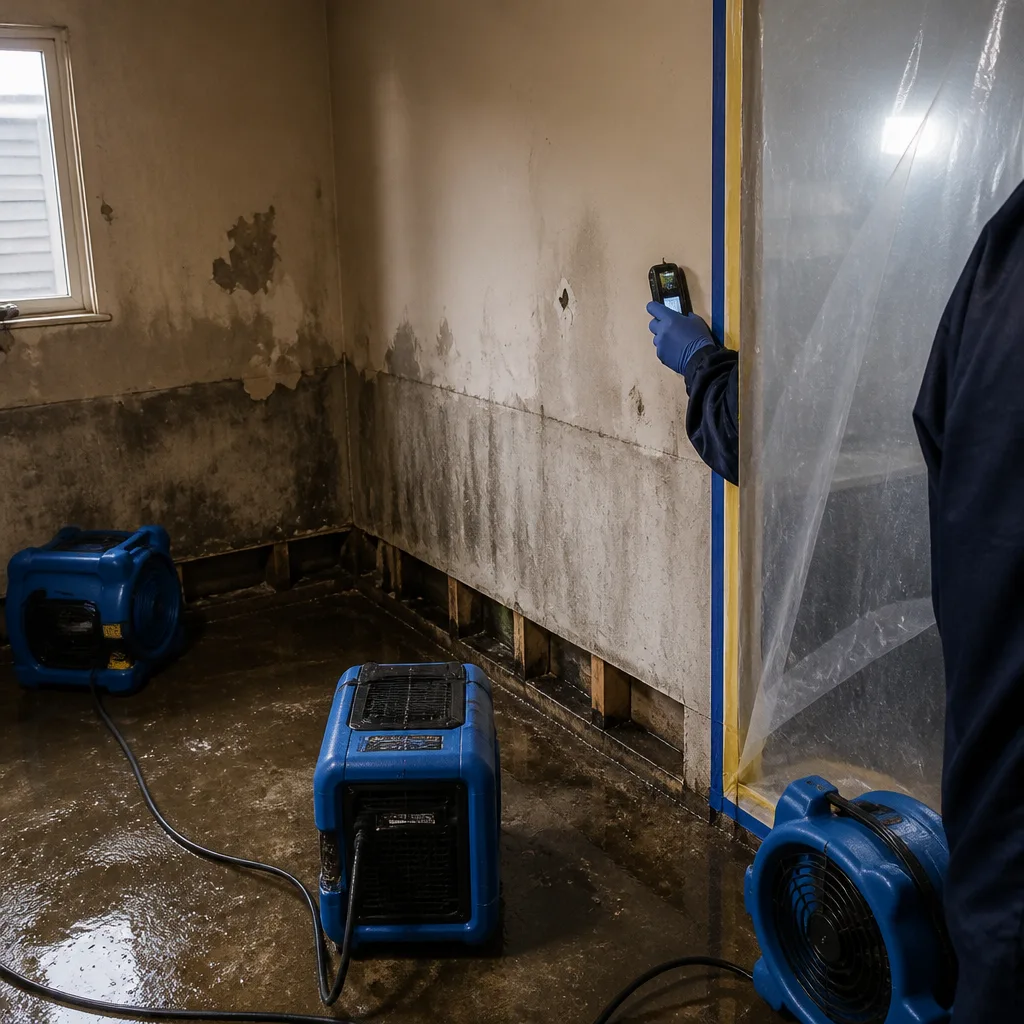 Before
 After
After