

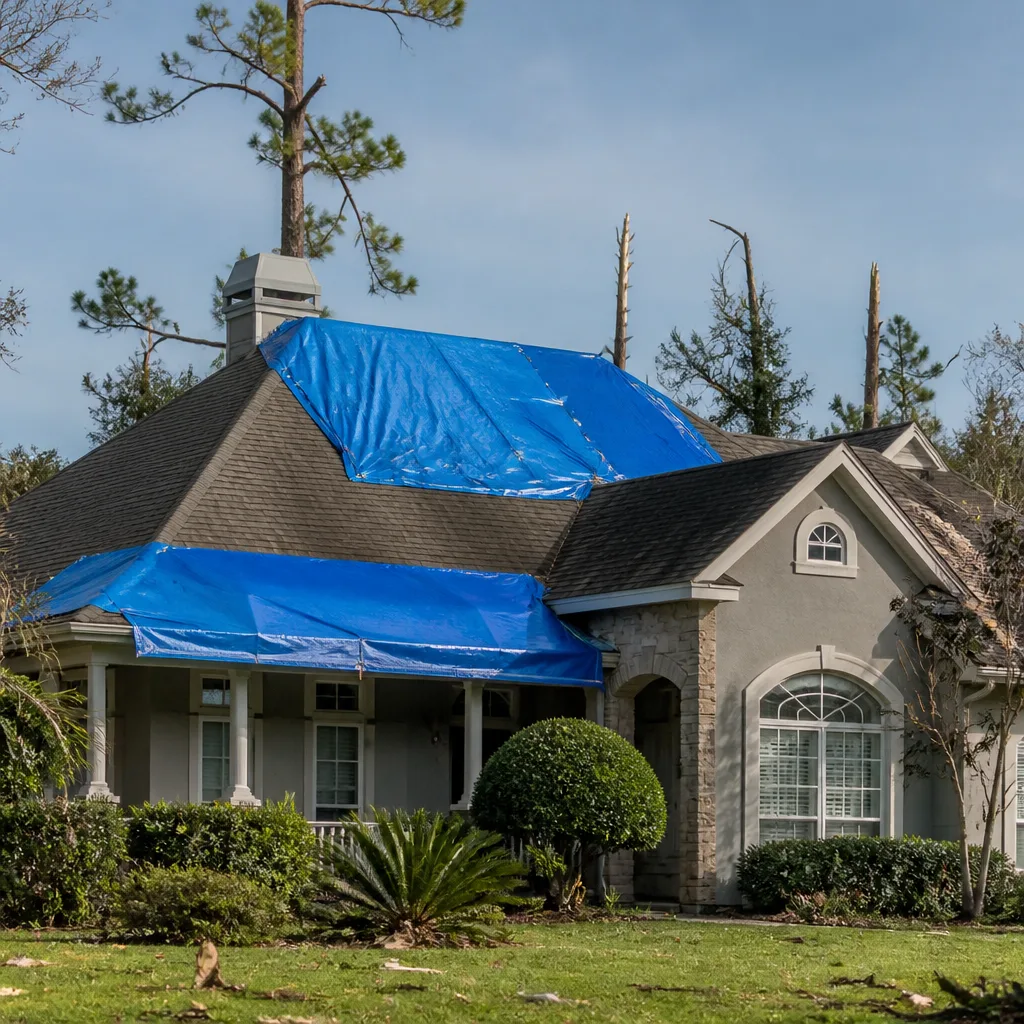
 Storm response
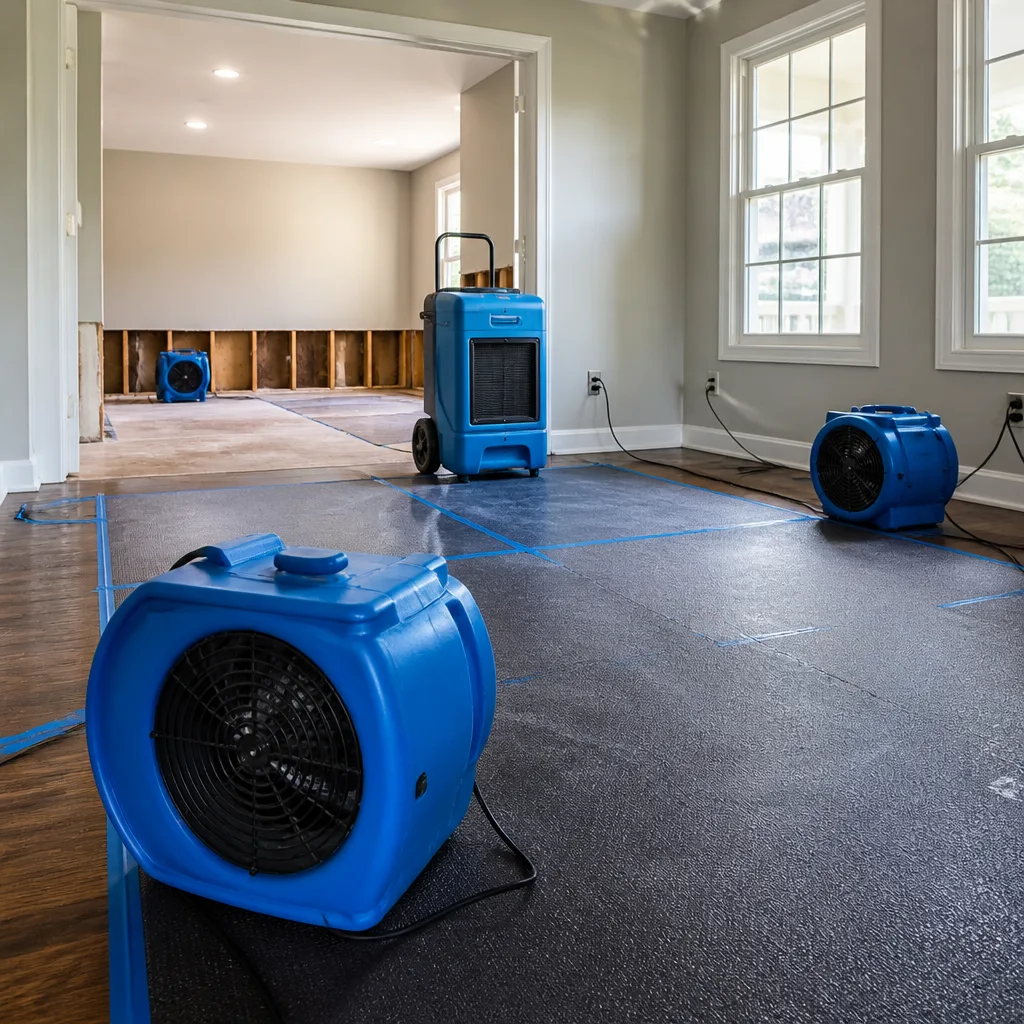 Water damage drying
 Fire & smoke cleanup
 Mold remediation
 Sewage cleanup
 Reconstruction
Free visual inspection and a written scope of work before any mitigation begins - photos, moisture readings, and drying logs go in your claim file
The scope we write is the scope we bill. Anything new gets shown to you, in writing, before we touch it.
Get your free estimateRestoration work we handle
See the difference
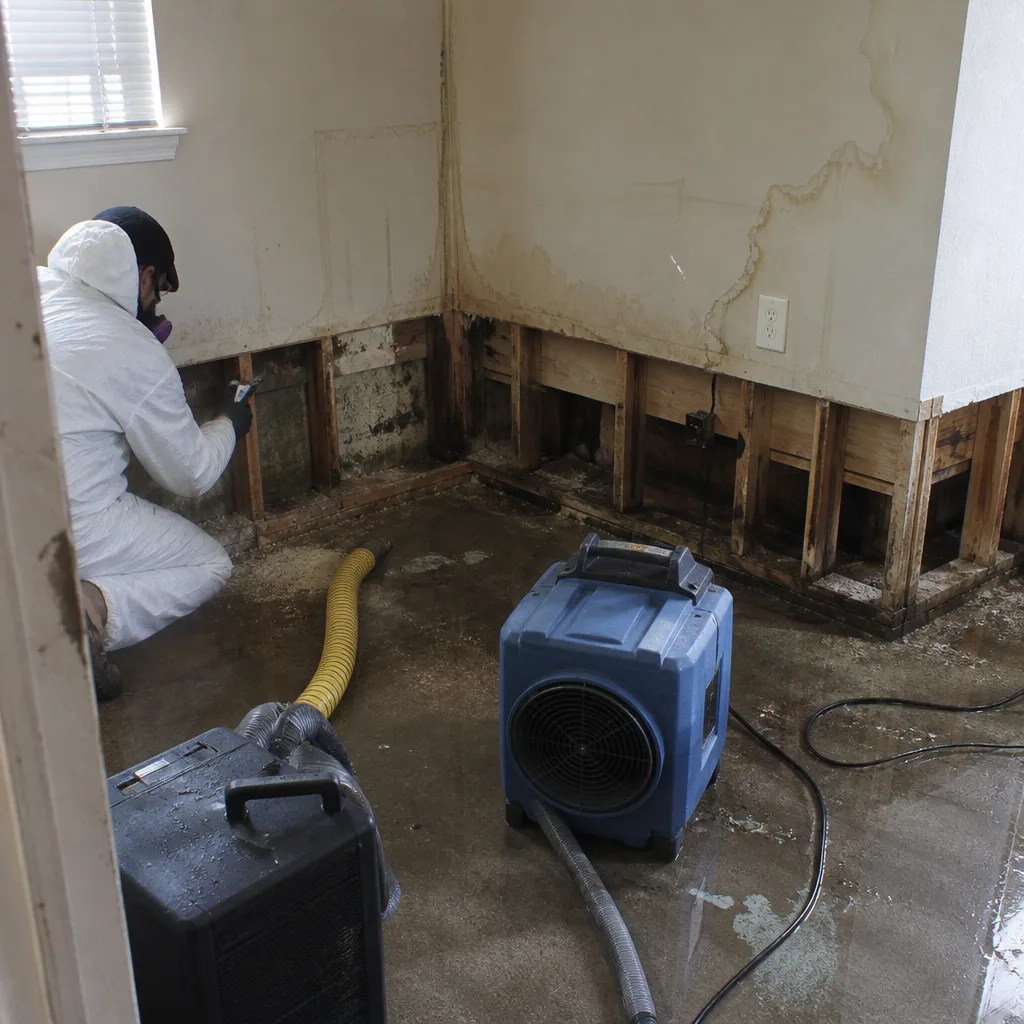 Before
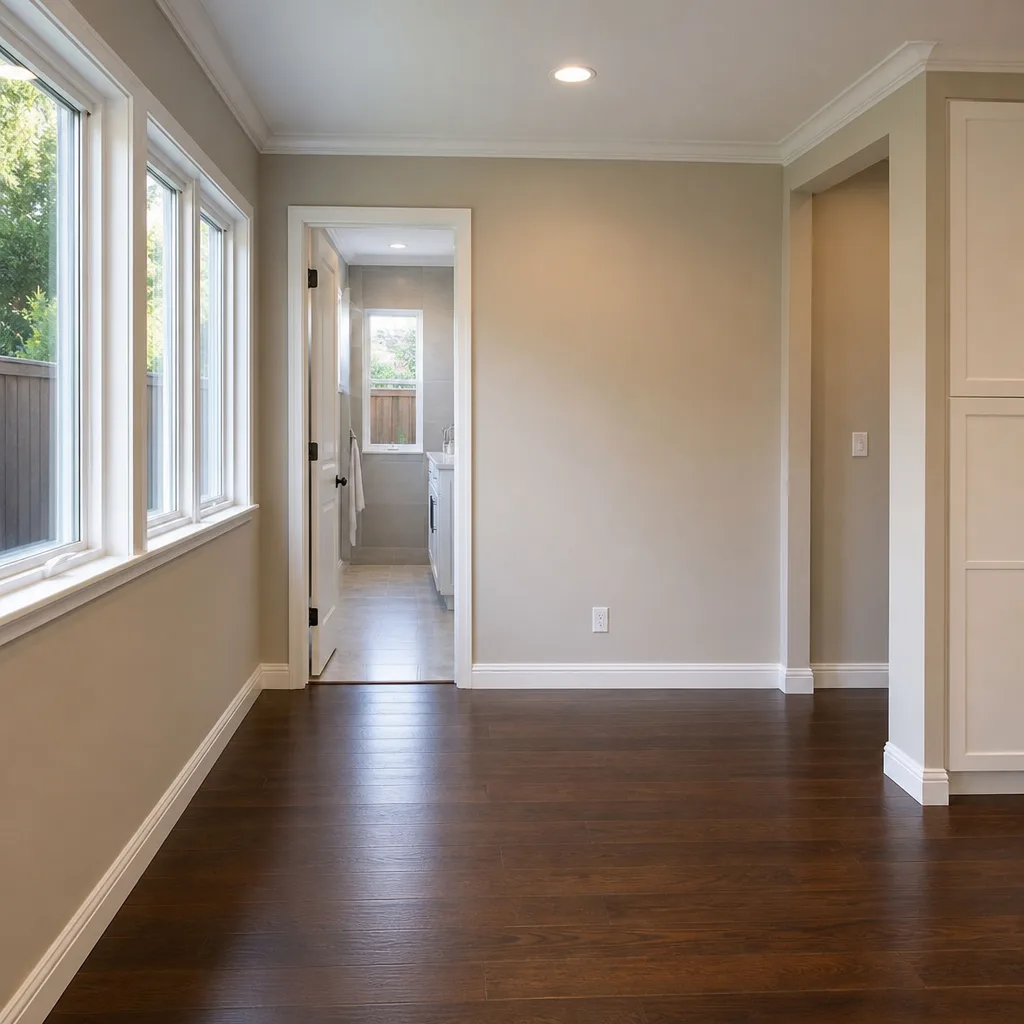 After
After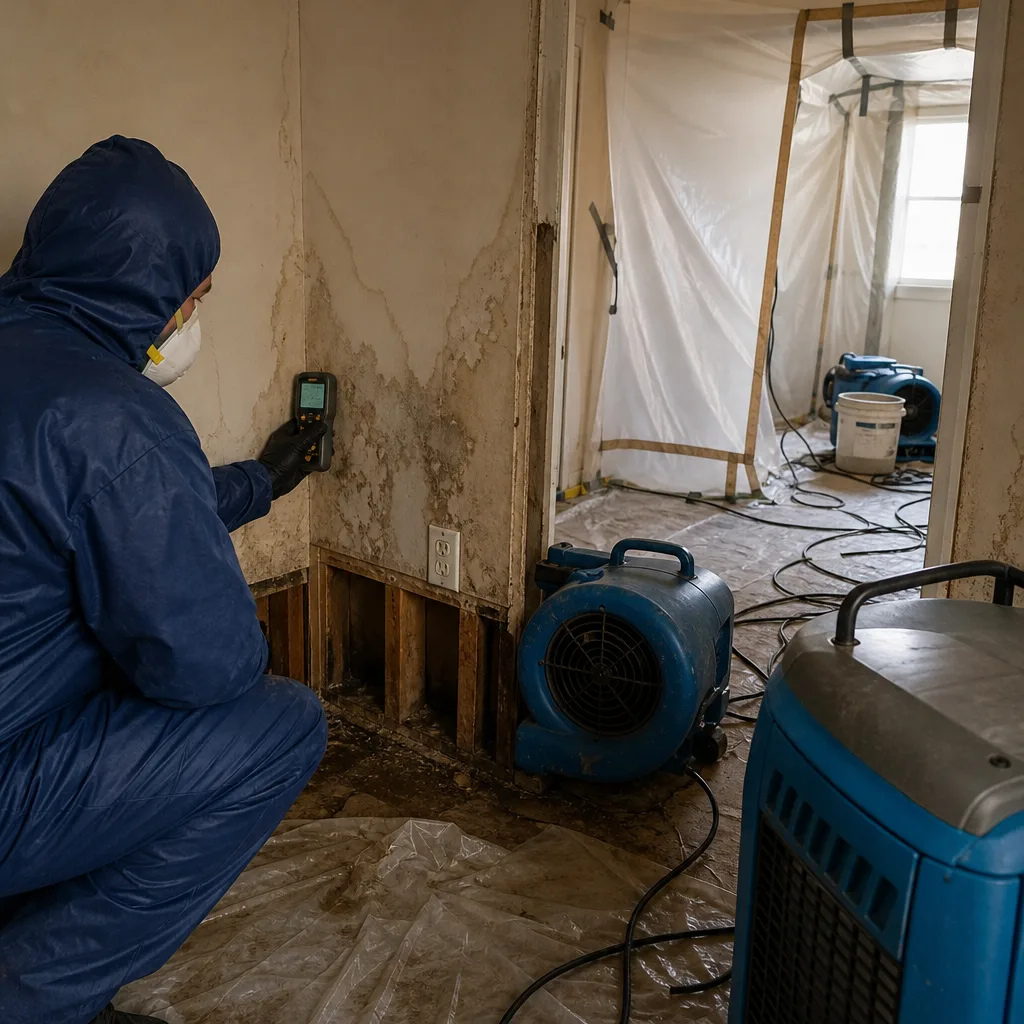 Before
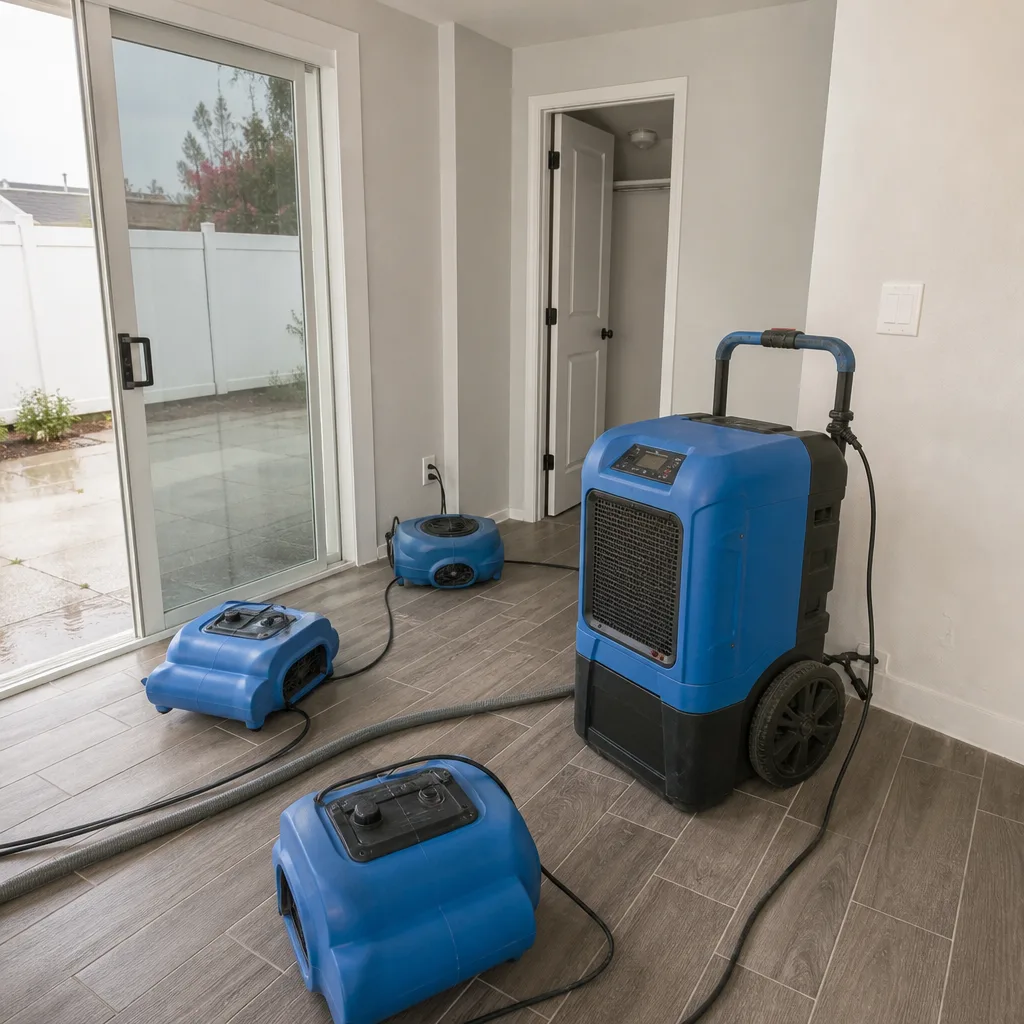 After
After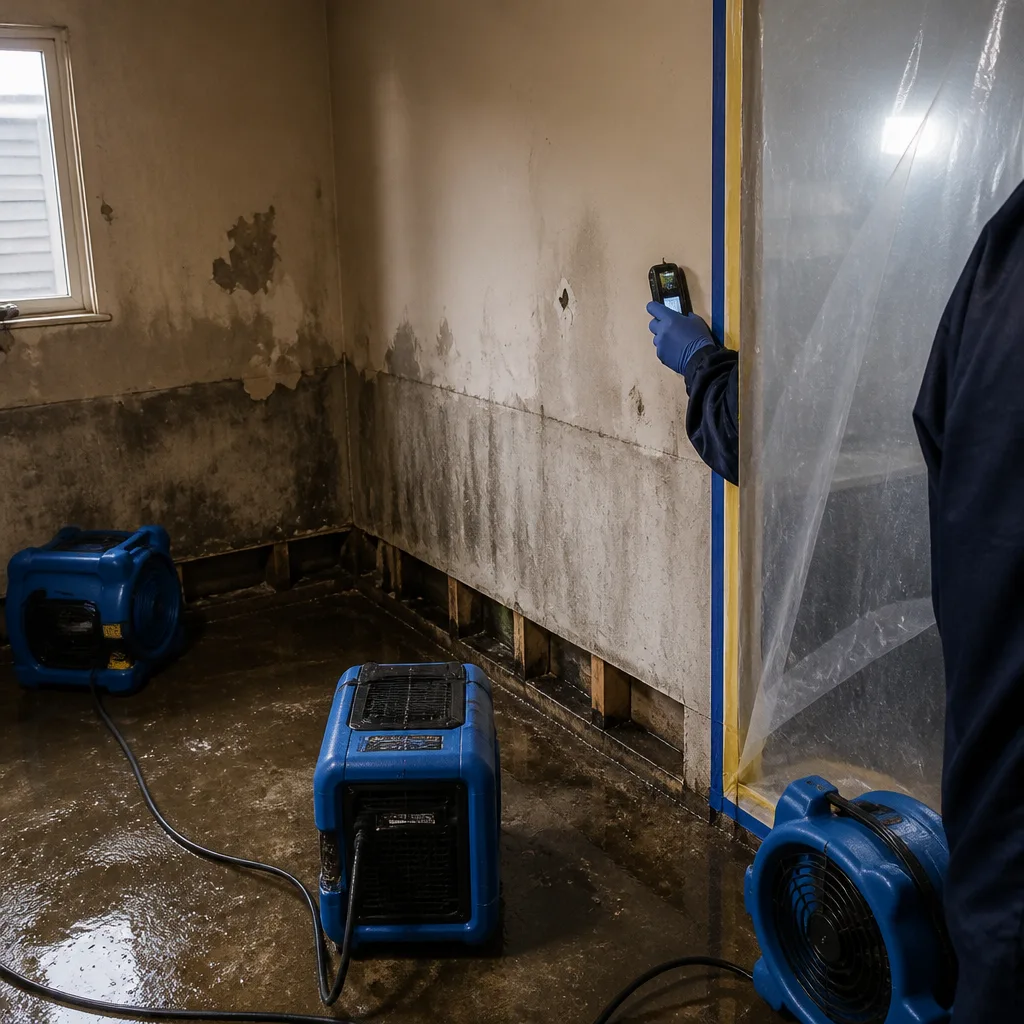 Before
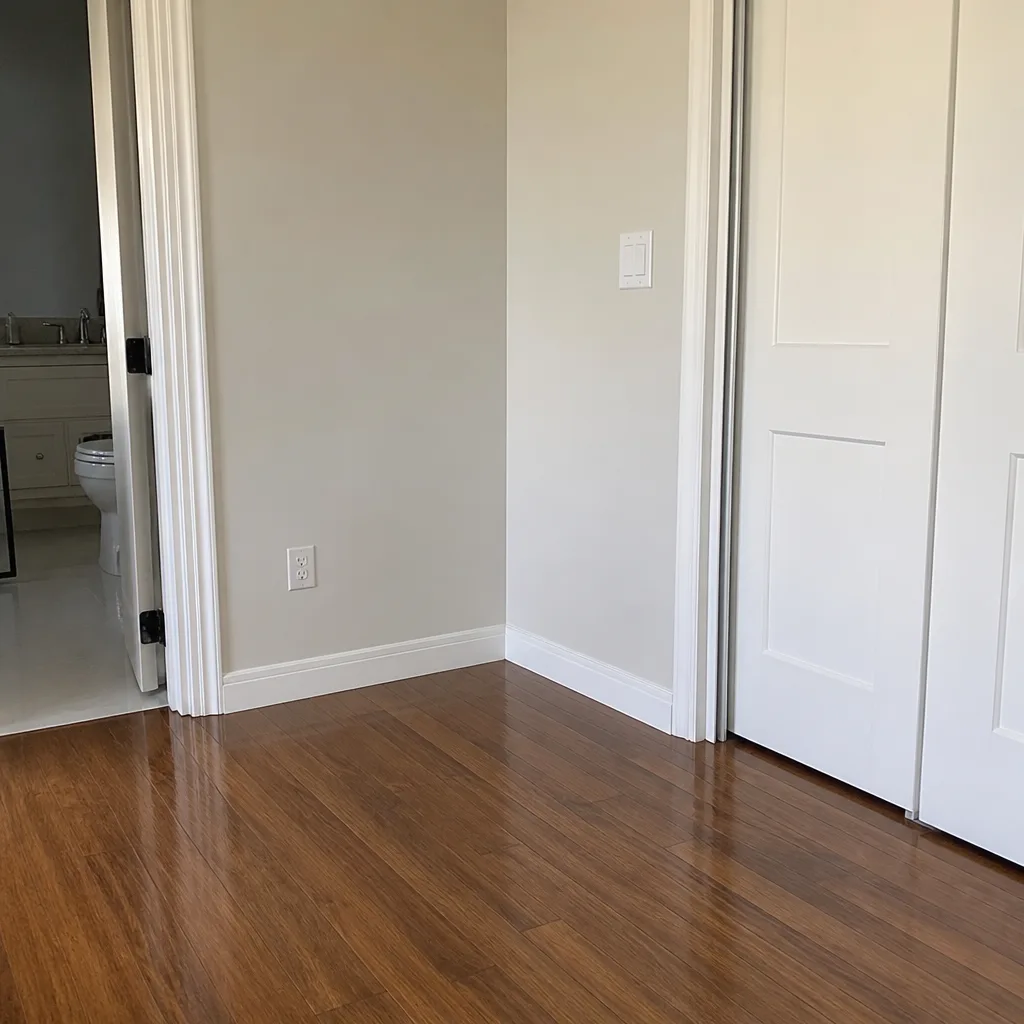 After
AfterHow Much Does Storm & Disaster Restoration Cost in San Diego?
Storm and disaster restoration in San Diego typically costs between $2,500 and $12,000 for most residential jobs, with water damage restoration averaging $3.75 per square foot and full storm remediation projects running $4,500 to $18,000 when structural drying, mold prevention, and rebuild work are included. Smaller, contained jobs like a single-room ceiling leak or minor roof tarping usually land between $800 and $2,000. The final number depends on how far water traveled, what materials it soaked, and how quickly drying started.
San Diego’s storm season is different from most of the country. We don’t get hurricanes. We get atmospheric rivers, sudden downpours that overwhelm drainage, coastal wind-driven rain, and the occasional flash flood in Mission Valley, Clairemont, and the canyons around Normal Heights. When a storm hits, the damage pattern is predictable: roof leaks, window and door seepage, garage flooding, and water moving downhill into lower-level rooms. Carl Brandt, who leads our restoration team, has walked into hundreds of San Diego homes after storms, and the cost drivers are consistent.
Here’s what to expect across the home restoration spectrum, with real numbers for the San Diego market in 2026.
Storm & Disaster Restoration Cost Breakdown (2026)
The table below reflects what we’re seeing in San Diego County this year. These are mid-range residential numbers, not commercial. They assume a licensed restoration company doing the work with professional drying equipment, not a handyman with a shop vac.
| Service | Typical Range | Notes |
|---|---|---|
| Water extraction (single room) | $500 – $1,200 | Includes standing water removal and initial moisture assessment |
| Water extraction (multiple rooms or whole level) | $1,500 – $4,000 | Common in Mission Valley flood events |
| Structural drying (3-5 days) | $1,000 – $3,500 | Dri-Eaz and Phoenix dehumidifiers plus air movers |
| Ceiling leak repair (drywall or plaster) | $400 – $900 per area | Smaller if caught within hours |
| Roof tarping (emergency) | $350 – $800 | Securing the home before interior work starts |
| Baseboard and drywall replacement | $3 – $6 per linear foot / $2.50 – $5 per sq ft | Cost climbs if asbestos testing is needed on older homes |
| Mold remediation (containment and removal) | $1,500 – $6,000 | Depends on square footage and whether HVAC was affected |
| Flooring removal and replacement | $4 – $12 per sq ft | Laminate is cheaper to pull; hardwood sometimes salvageable |
| Full storm restoration (multi-trade) | $4,500 – $18,000 | Extraction, drying, demo, rebuild, and finish work |
These numbers include labor, equipment, and disposal. They don’t include content restoration for personal items like furniture or documents, which can add $500 to $3,000 depending on how much you need cleaned and stored.
What pushes a job toward the bottom or top of these ranges? Three things matter most. First, how long the water sat before drying started. A roof leak found and dried within 24 hours might cost $900. The same leak ignored for five days becomes a mold and drywall replacement project at $4,000. Second, what got wet. Water that hits laminate flooring and drywall wicks upward and spreads, while tile and concrete slow it down. Third, whether the water was clean or contaminated. Storm water that carries mud, debris, or sewage from a backed-up drain requires sanitizing, which adds 20 to 40 percent to the drying and demo bill.
What Affects Storm & Disaster Restoration Pricing in San Diego
- Neighborhood drainage patterns. Homes in Mission Valley, parts of Chula Vista, and low-lying areas near the San Diego River flood more often and more deeply. A garage that takes three inches of water in Clairemont might take eighteen inches in Mission Valley after the same storm. Depth drives extraction time and demolition scope.
- Home construction era. Pre-1978 homes in neighborhoods like North Park, South Park, and Golden Hill may have plaster walls and older electrical systems. Plaster holds water differently than drywall, and older wiring that got wet needs inspection before power is restored. Homes built after 1990 with modern insulation and drywall dry faster and cost less per square foot.
- Response time. The difference between a $1,200 drying job and a $7,000 rebuild is often 48 hours. Water keeps moving through drywall, subfloor, and framing until the moisture source is stopped and dehumidification starts. San Diego’s mild climate helps, but our coastal humidity in places like Pacific Beach and Ocean Beach slows drying if you don’t have professional-grade equipment running.
- Mold colonization risk. Storm water that sits beyond 48-72 hours in San Diego’s average indoor temperatures of 68-75 degrees creates ideal conditions for mold. Once mold appears, prices shift from drying territory into remediation territory, and containment barriers, HEPA air scrubbers, and antimicrobial treatments add $1,000 to $5,000.
- Structural damage from wind. Winter storms with sustained winds over 40 mph damage roofs, fences, and windows from Del Mar to Imperial Beach. Roof decking that gets saturated and needs replacement runs $4 to $8 per square foot, and broken windows from wind-blown debris add $300 to $1,200 per window depending on size and glass type.
- Content and personal property scope. A storm that floods a garage full of stored items means pack-out, cleaning, and storage costs. Packers and movers run $75 to $150 per hour, and off-site content storage in San Diego typically costs $200 to $600 per month while your home is being restored.
San Diego Storm Damage: What We See Most Often
If you live in San Diego long enough, you learn the rhythm of our weather. Most of the year it’s dry and forgiving. Then, between November and March, atmospheric rivers barrel in from the Pacific, dump a few inches of rain in 24 hours, and expose every weak point in a home’s envelope. Here’s what Carl Brandt and our crews see most after a San Diego storm.
Roof Leaks at Flashing Points
San Diego roofs take a beating from UV exposure, not just rain. The sun breaks down sealants around vent pipes, skylights, and chimneys over years of dry weather. When the first big storm arrives, water finds those cracks. Flashing repair and a patch job might run $300 to $700. But if the leak has been running down inside a wall cavity, you’re looking at drywall removal, insulation replacement, and drying inside the wall, which starts around $1,200 and climbs.
Window and Door Seepage
Wind-driven rain hits windows differently than vertical rain. Coastal homes in La Jolla, Point Loma, and Coronado face salt air and wind exposure that degrade window seals faster. A window leak that stains drywall below the sill often requires re-sealing the exterior, replacing wet drywall, and repainting. Budget $500 to $1,500 per window area.
Garage and Lower-Level Flooding
Homes built into hillsides, common in neighborhoods like University Heights, Bankers Hill, and parts of La Mesa, have lower levels that collect runoff. When the ground saturates, hydrostatic pressure pushes water through concrete joints and cove bases. Extraction plus drying for a standard two-car garage runs $800 to $2,500, but if the water reached the interior wall shared with the house, costs rise as that wall needs opening and inspection.
Clogged Drains and Overflowing Gutters
San Diego’s dry months mean gutters fill with dust, leaves, and debris that harden into blockages. When rain arrives, water overflows and runs down fascia boards, often behind the gutter and into the eave. Fascia repair and gutter clearing might cost $400 to $1,200, while water that traveled into the attic adds drying and insulation replacement at $800 to $2,000.
How the Restoration Process Works (And Where the Money Goes)
Understanding what a restoration company actually does helps you see where your money goes. Here’s the step-by-step process we follow on every Storm & Disaster Restoration in San Diego job, with cost context at each stage.
- Emergency contact and assessment. You call (619) 453-0410. A live person answers, 24 hours a day, 7 days a week. We ask about the water source, how long it’s been active, and what areas of the home are affected. This sets the urgency level for dispatch.
- Arrival and moisture mapping. A uniformed, background-checked technician arrives in the window we gave you, not “sometime today.” We use moisture meters and thermal imaging to map exactly how far water traveled. This mapping is included in the assessment and tells us what needs to be opened up and what can be saved. Assessment visits are free.
- Written price before any work starts. After mapping, we write up a price. You see the number before we touch a tool. That number does not change at the door. The Kingswell Way is simple: Say the price before the work. No surprises.
- Water extraction. Standing water comes out first using extraction units. For storm water with mud or debris, this includes solid waste removal. Extraction costs $500 to $4,000 based on water volume and the square footage affected.
- Drying setup. We place Dri-Eaz and Phoenix dehumidifiers, plus XPOWER and B-Air air movers, positioned using psychrometric drying calculations, which are the science-based readings of temperature, humidity, and moisture content that tell us how many machines to run where. Structural drying runs 3 to 5 days for most San Diego homes and costs $1,000 to $3,500 including equipment operation and daily monitoring.
- RH (relative humidity) monitoring. We check the moisture content of drywall, wood, and concrete daily. RH tells us how much water is in the air and whether the drying environment is working. We adjust equipment placement and count until we hit dry standard, the verified moisture level where the material is stable and safe.
- Demolition of unsalvageable materials. Drywall that wicked water above 24 inches, insulation that compressed and lost its R-value, and laminate flooring that swelled get removed. Demo runs $2.50 to $5 per square foot of wall and $4 to $12 per square foot of flooring including haul-away.
- Sanitization and antimicrobial treatment. Storm water isn’t clean water. We apply antimicrobial treatments on affected framing and structural surfaces to prevent mold colonization. This adds $300 to $1,200 to the job.
- Rebuild and finish work. New drywall, texture, paint, baseboards, and sometimes flooring installation brings the visible part of the home back. Rebuild costs vary widely: $2,000 for a small room to $15,000+ for a lower level or multiple rooms.
- Final walkthrough and the 365-Day Done Right Promise. You inspect the work with the crew lead. Then you get the guarantee in writing: if any covered repair fails within a full year, we come back and make it right at no charge. That’s not a verbal promise. It’s written on every job we do.
How to Save on Storm & Disaster Restoration
Saving money on storm restoration isn’t about finding the cheapest contractor. It’s about acting fast, knowing what’s covered by insurance, and avoiding the mistakes that turn a $1,200 drying job into a $9,000 reconstruction.
- Call within the first 24 hours. This is the single biggest cost lever you control. The faster extraction and drying start, the less demolition and rebuild you need. If you find water at 9 p.m., call (619) 453-0410. We answer. We dispatch. The alternative, waiting until morning or after work, can add $2,000 to $5,000 to the final bill as water spreads through subfloor and wall cavities.
- Stop the water source if you can do so safely. For a roof leak, placing a bucket and moving furniture costs nothing and helps. But if the source involves electrical systems, stay clear and wait for a professional. Wet electrical panels and outlets are genuinely dangerous. Don’t stand in water near plugged-in appliances or reach into wet areas near wiring.
- Document everything before you move anything. Photos and video of standing water, wall staining, and damaged contents help your insurance claim. Take wide shots and close-ups. If you discard items, photograph them first. Better documentation typically means smoother claims and less out-of-pocket cost.
- Know your insurance deductible. San Diego homeowners insurance deductibles for water and storm damage commonly run $1,000 to $2,500. If your total damage is $1,800 and your deductible is $2,500, paying out of pocket for a small job may be cheaper than filing a claim that could raise your premium. We can’t tell you whether to file, but we give you a written estimate you can use to make that call.
- Ask for a written price before work begins. A contractor who won’t put a price in writing before starting is one who may change the number when the job is halfway done. Every Dryden job includes a written price up front. If another company won’t do that, treat it as a warning sign.
- Get the guarantee in writing. A repair that fails six months later costs you twice. Our 365-Day Done Right Promise covers every repair we make. If it fails within a year, we come back and fix it at no charge. You don’t pay twice. We put it in writing because verbal promises are worthless when a repair goes bad.
Storm & Disaster Restoration vs. Water Damage Restoration: What’s the Difference in Cost?
Storm restoration and water damage restoration overlap, but they’re not the same thing, and the pricing reflects that. Water damage restoration starts at the water source: a burst pipe, an overflowing supply line, an appliance leak. Storm restoration starts at the building envelope: the roof, the windows, the doors, and the drainage around the foundation. Storm jobs frequently include exterior repairs plus interior drying, which is why they run higher on average than a single plumbing leak.
Here’s a practical example. A supply line bursts under a kitchen sink and floods 200 square feet of hardwood flooring. Extraction and drying runs $2,000 to $4,000, plus flooring replacement. That’s a water damage job. Now imagine a winter atmospheric river hits San Diego, wind-driven rain enters through a failed roof flashing above the kitchen, water runs down the interior wall, soaks insulation, drips into the subfloor, and the same 200 square feet gets wet, plus the drywall and insulation in the wall above it. You’re now paying for roof repair, wall opening, insulation replacement, drying, and flooring. That’s a storm job, and it runs $4,500 to $9,000 or more.
Both types of work use the same drying science and equipment. The difference is scope, and storm scope includes stopping the water at the source on the exterior, not just inside the home.
Does Homeowners Insurance Cover Storm Restoration in San Diego?
Most standard homeowners insurance policies in California cover sudden and accidental storm damage, including wind-driven rain, roof damage from falling trees, and water that enters through openings caused by the storm. What they don’t cover is gradual damage: a roof leak that’s been slowly deteriorating for years, or water intrusion through a window that was already leaking before the storm.
California’s insurance market has changed over the last few years. Some San Diego homeowners have seen policy cancellations or premium increases, particularly in fire-prone brush areas like parts of Rancho Bernardo, Poway, and Scripps Ranch. Storm and flood coverage are separate from earthquake, which matters here. Standard homeowners policies don’t cover flood damage from rising water. If Mission Valley floods and water rises up through your floor drains, that’s flood, not storm, and it requires a separate flood insurance policy through NFIP or a private carrier.
The cost of the restoration job itself doesn’t change based on who’s paying. What changes is your out-of-pocket portion. We work directly with insurance adjusters on storm claims and provide the documentation adjusters need: moisture maps, photo records, equipment logs, and line-item estimates. You’re still responsible for your deductible, but we make the paperwork path as short as we can.
Why San Diego Storm Restoration Costs What It Does
San Diego is not a cheap place to run a restoration business, and that reflects in pricing. Commercial space for equipment storage and vehicles runs higher here than in most counties. Permits for reconstruction work in the City of San Diego and surrounding municipalities range from $200 to over $2,000 depending on scope, and permitting for structural changes adds days to the timeline. Labor costs for skilled restoration technicians with IICRC, RIA, and IFA-aligned training are higher than for general handyman labor, and that’s the point: you’re paying for someone who knows how to dry a structure correctly the first time, not someone who guesses.
Then there’s the equipment. The machines we run, Dri-Eaz dehumidifiers, Phoenix dryers, XPOWER and B-Air air movers, and Injectidry systems for in-place drying of cavities, are the same professional-grade machines used on large commercial restoration crews. They’re expensive to buy, maintain, and run, but they dry homes in days rather than weeks, and faster drying means less demolition and lower rebuild costs. A $40-per-day rental dehumidifier from a hardware store will not dry a wall cavity. It will barely dry a hallway. The difference matters to the final price and to whether your home is actually dry when the crew leaves.
FAQs – Storm & Disaster Restoration Cost
How much does storm damage restoration cost per square foot in San Diego?
Storm damage restoration in San Diego averages $3.75 per square foot for water extraction, drying, and basic repairs. A 1,000-square-foot affected area usually runs between $2,800 and $5,500, depending on the damage category and whether demolition is needed. Call (619) 453-0410 for a free assessment and written price.
Is it cheaper to repair or replace storm-damaged drywall?
Repairing storm-damaged drywall in San Diego costs $50 to $100 per square yard when the damage is surface-level staining that dries cleanly. Replacing it runs $2.50 to $5 per square foot including removal and new drywall. The deciding factor is wicking: if water traveled up the wall more than 24 inches, the drywall’s structural integrity is compromised and replacement is the honest, durable fix.
Can you come to my San Diego home today after a storm?
Yes. We answer calls live 24 hours a day, 7 days a week, and we dispatch the same day for active water intrusion. When you call (619) 453-0410, a real person answers, not a voicemail or answering service. We’ll give you a committed arrival window, not “sometime this afternoon.”
How much does emergency roof tarping cost in San Diego?
Emergency roof tarping in San Diego typically costs $350 to $800 for a standard single-family home. This secures the home and stops active water intrusion while a permanent roof repair is scheduled. Interior drying and repairs are priced separately, and we provide a written price before any tarp or tool goes up.
What does storm restoration cost if mold has already started growing?
Once mold is present, San Diego storm restoration costs shift into the $2,500 to $8,000 range for most residential jobs. That includes containment barrier setup, HEPA air scrubber operation, removal of affected materials, and antimicrobial treatment. Mold remediated early and contained to one area costs less; mold that spread behind drywall or into HVAC ductwork costs more. If you see, smell, or suspect mold after a storm, call (619) 453-0410 for an assessment.
Will my insurance cover your storm restoration costs?
Most San Diego homeowners policies cover sudden storm damage, and we document everything your adjuster needs: moisture maps, photo logs, equipment records, and line-item estimates. We can’t guarantee a specific coverage outcome because policies and adjusters vary, but we bill insurance directly on covered claims and keep your out-of-pocket cost limited to your deductible. Bring us your policy details and we’ll walk you through the process.
Get a Written Price From Dryden Restoration San Diego
If storm water is inside your San Diego home right now, don’t wait. Call (619) 453-0410. A live person answers, day or night. We’ll ask a few questions about the water source and what’s affected, give you a committed arrival window, and send a background-checked technician in a Dryden uniform to map the moisture and give you a written price before any work starts. That’s the Kingswell Way: Say the price before the work. Show up in the window we gave. Leave the place cleaner than we found it. Put the guarantee in writing. And if a repair fails within 365 days, we come back and fix it at no charge, free visit included.
Carl Brandt and the entire Dryden team have been serving San Diego County since 2005 as an independently owned and operated Kingswell company. We work to IICRC, RIA, and IFA standards. We run Dri-Eaz, Phoenix, XPOWER, B-Air, and Injectidry equipment. And we put every guarantee in writing. Call (619) 453-0410 for a free storm damage assessment.
Pricing reflects the San Diego market as of 2026. Dryden Restoration San Diego offers free estimates – call (619) 453-0410.
Written by Carl Brandt, Owner at Dryden Restoration San Diego, serving San Diego since 2005.
What Our Customers Say
"Good work on water damage from a roof leak. There was some back and forth getting the final paperwork for insurance, took a few phone calls. But the actual drying and repair were done right."
- Roberto Salas"Found mold behind the bathroom wall after a slow leak. They tested it, showed me what they found, and were upfront that it was a smaller job than I feared. No scare tactics, fair price."
- Monica Shelby"Honest crew. They could have told me the whole floor needed to come up. Instead they dried it properly, monitored it for a few days, and saved most of the hardwood. Checked their own work before closing it out."
- Andre Washington