

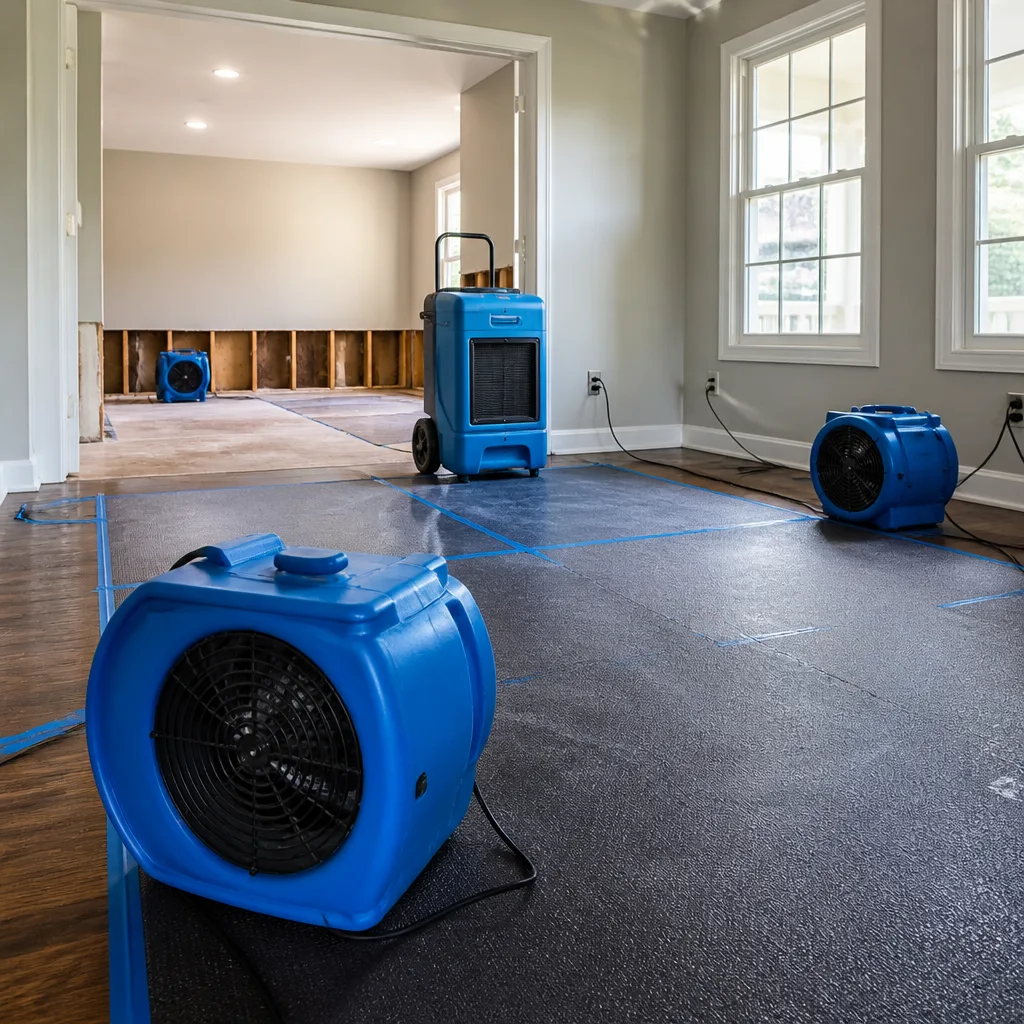
 Water damage drying
 Fire & smoke cleanup
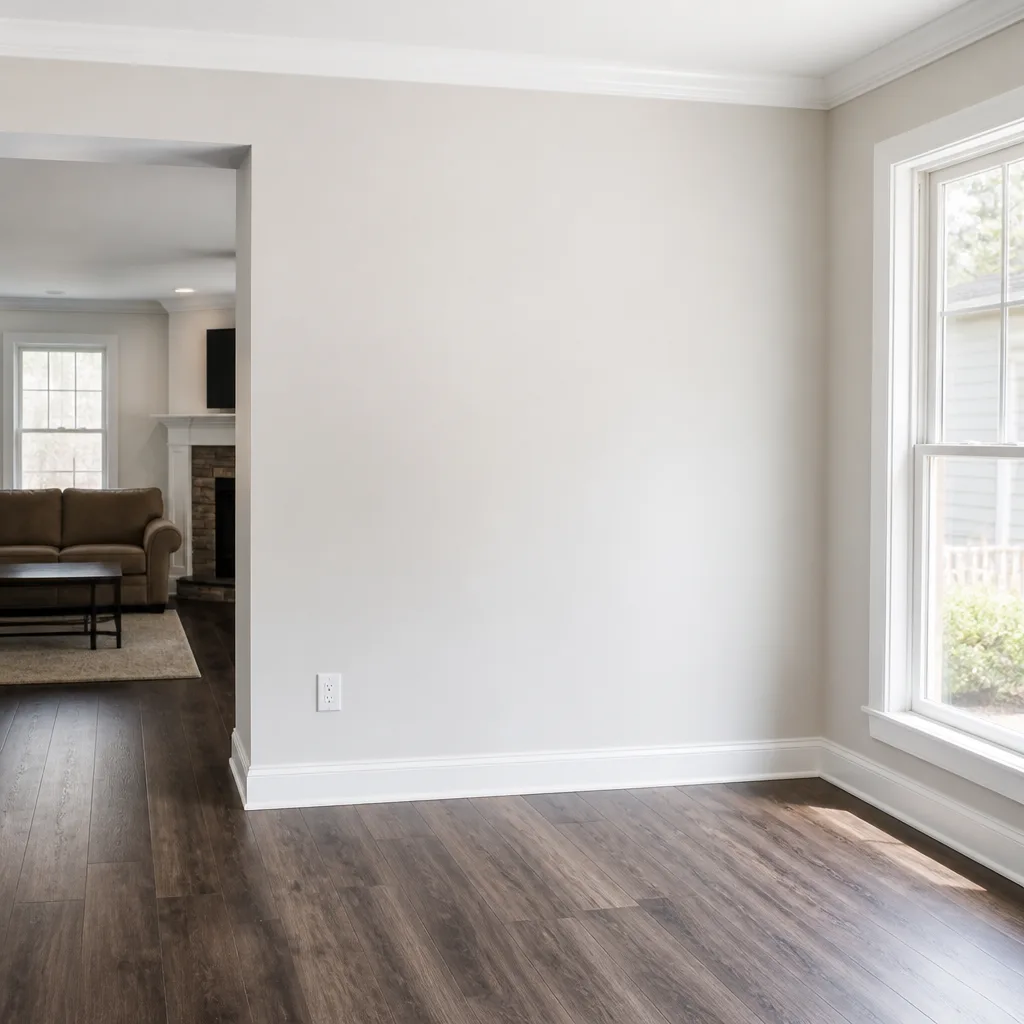 Mold remediation
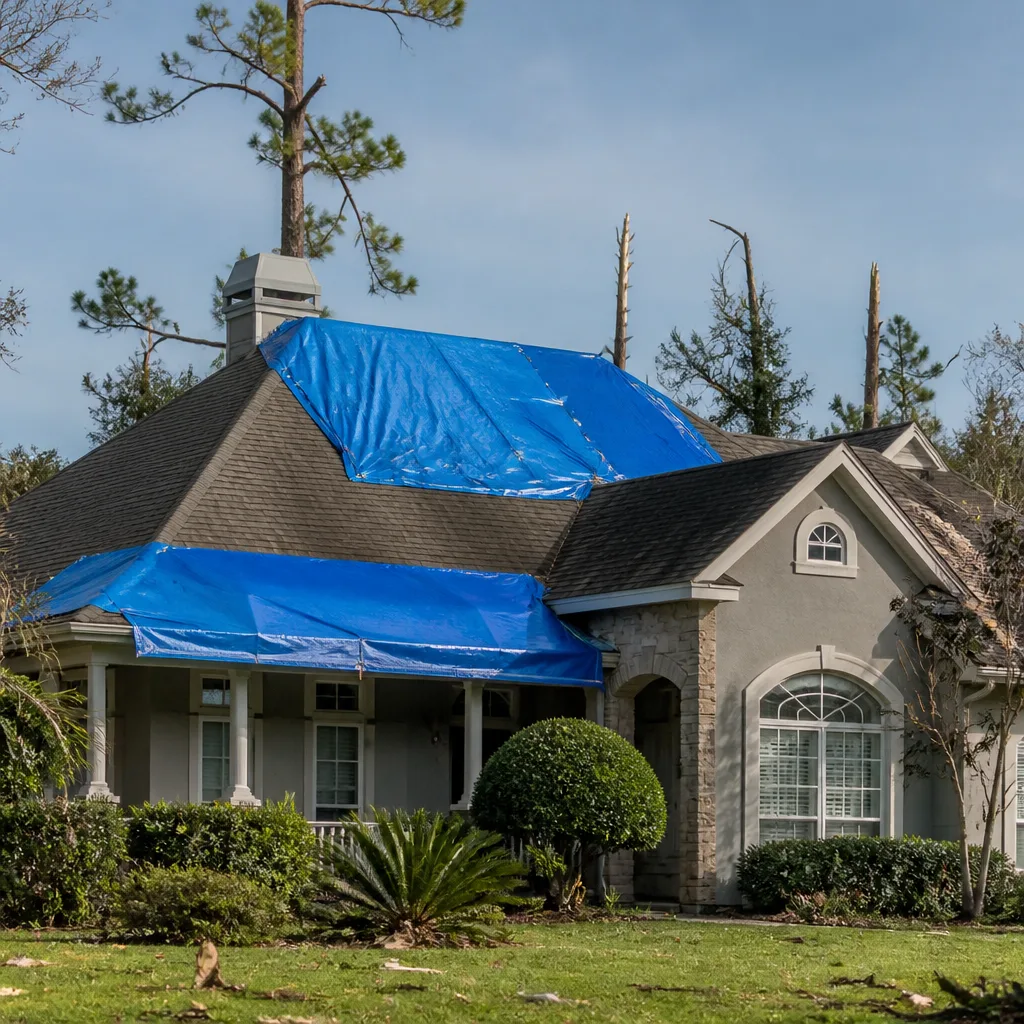 Storm response
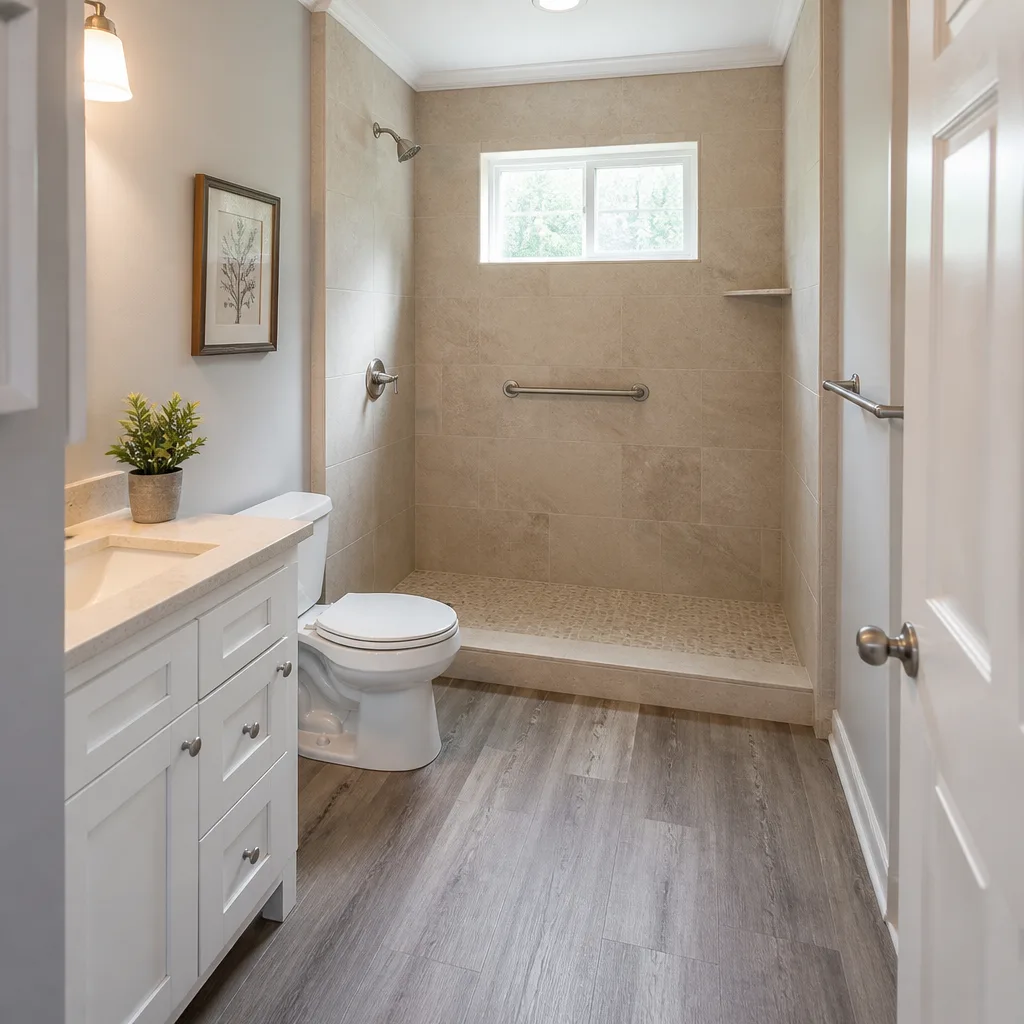 Sewage cleanup
 Reconstruction
Free visual inspection and a written scope of work before any mitigation begins - photos, moisture readings, and drying logs go in your claim file
The scope we write is the scope we bill. Anything new gets shown to you, in writing, before we touch it.
Get your free estimateRestoration work we handle
See the difference
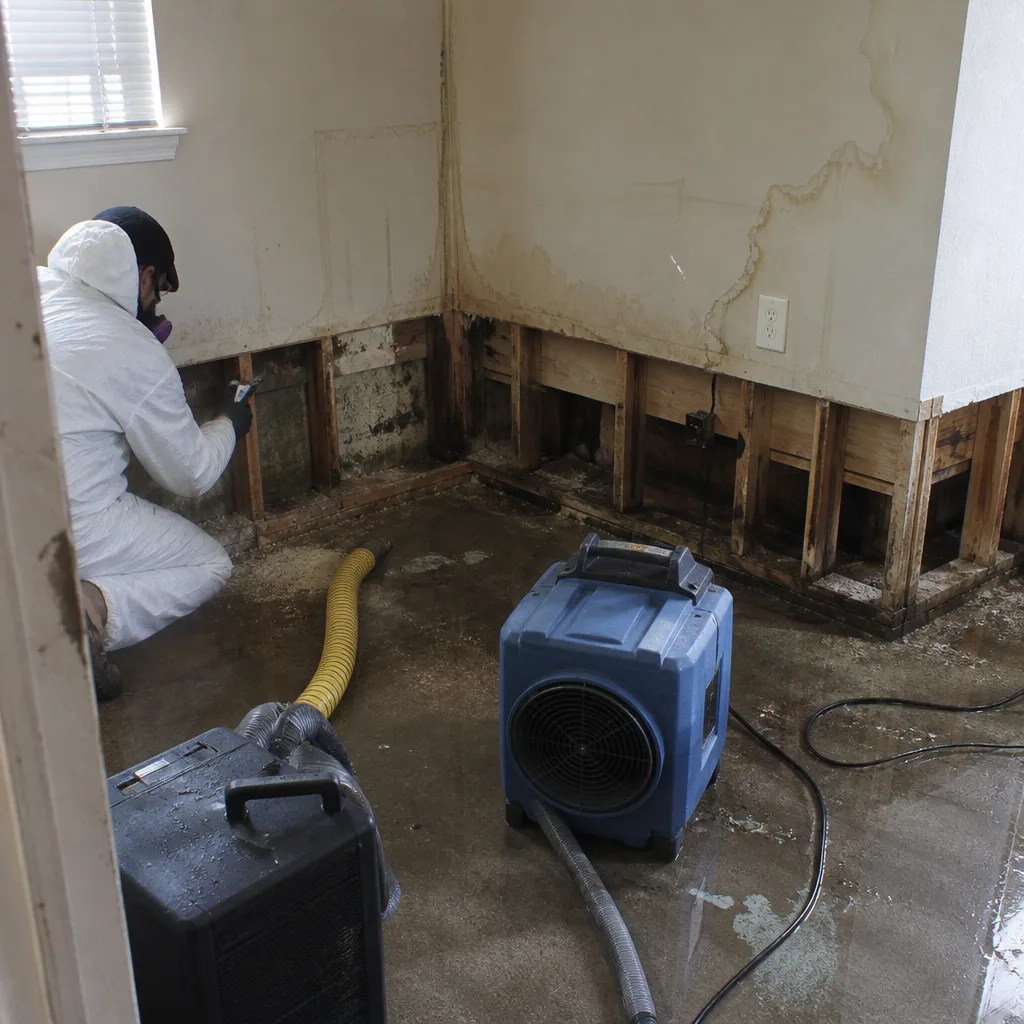 Before
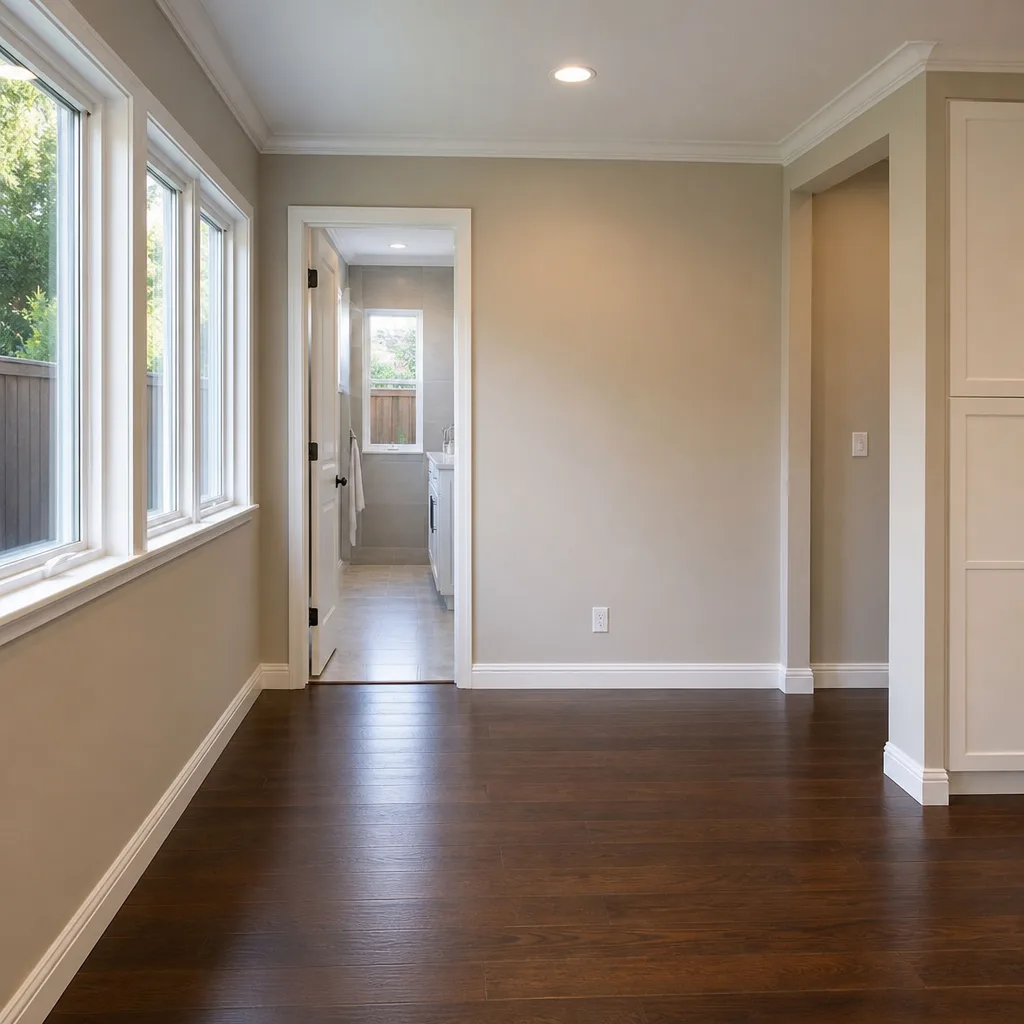 After
After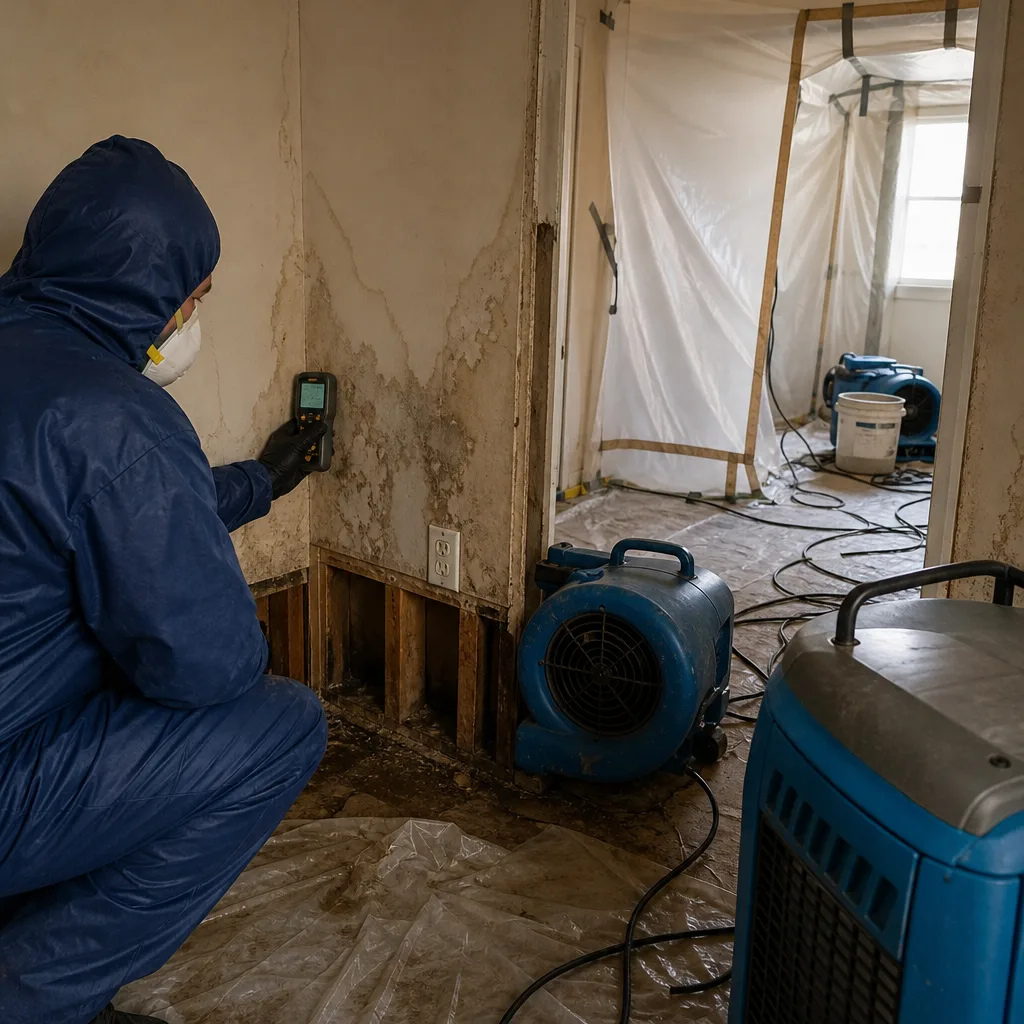 Before
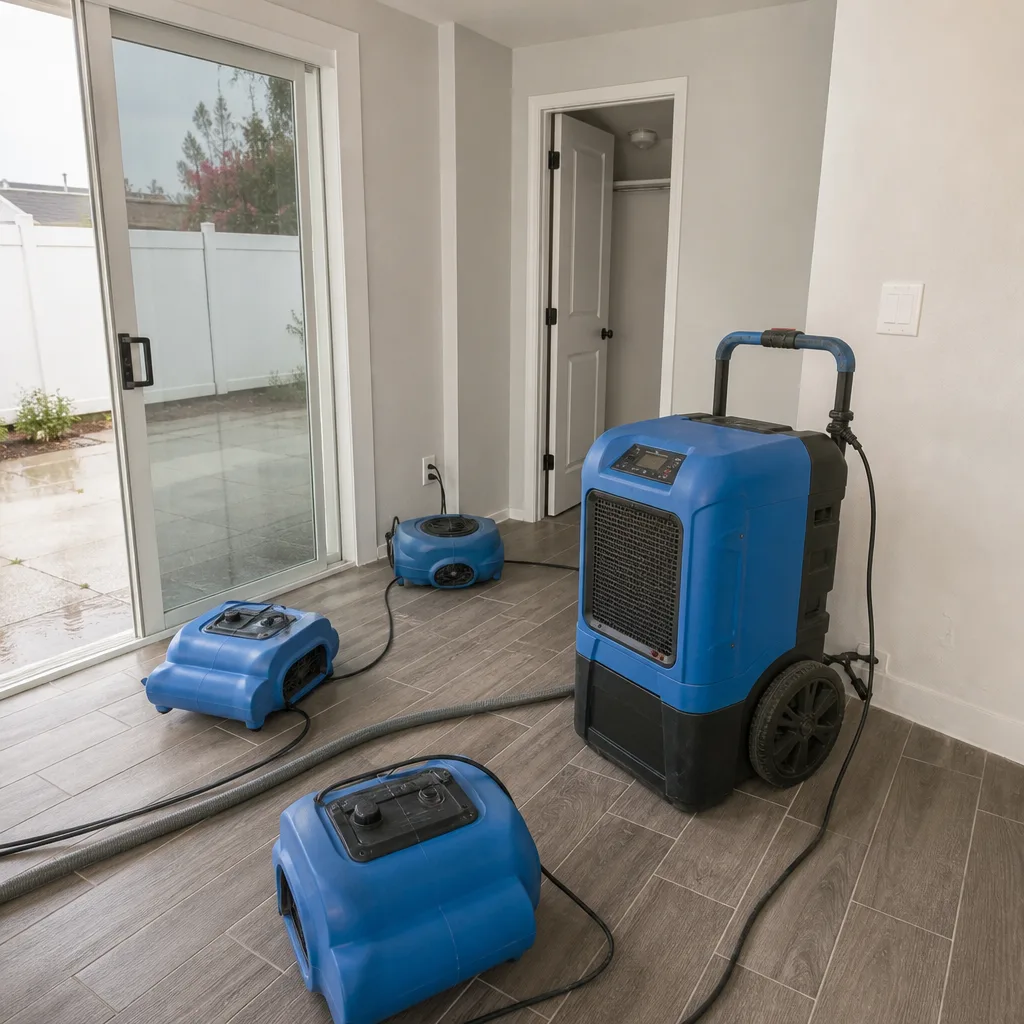 After
After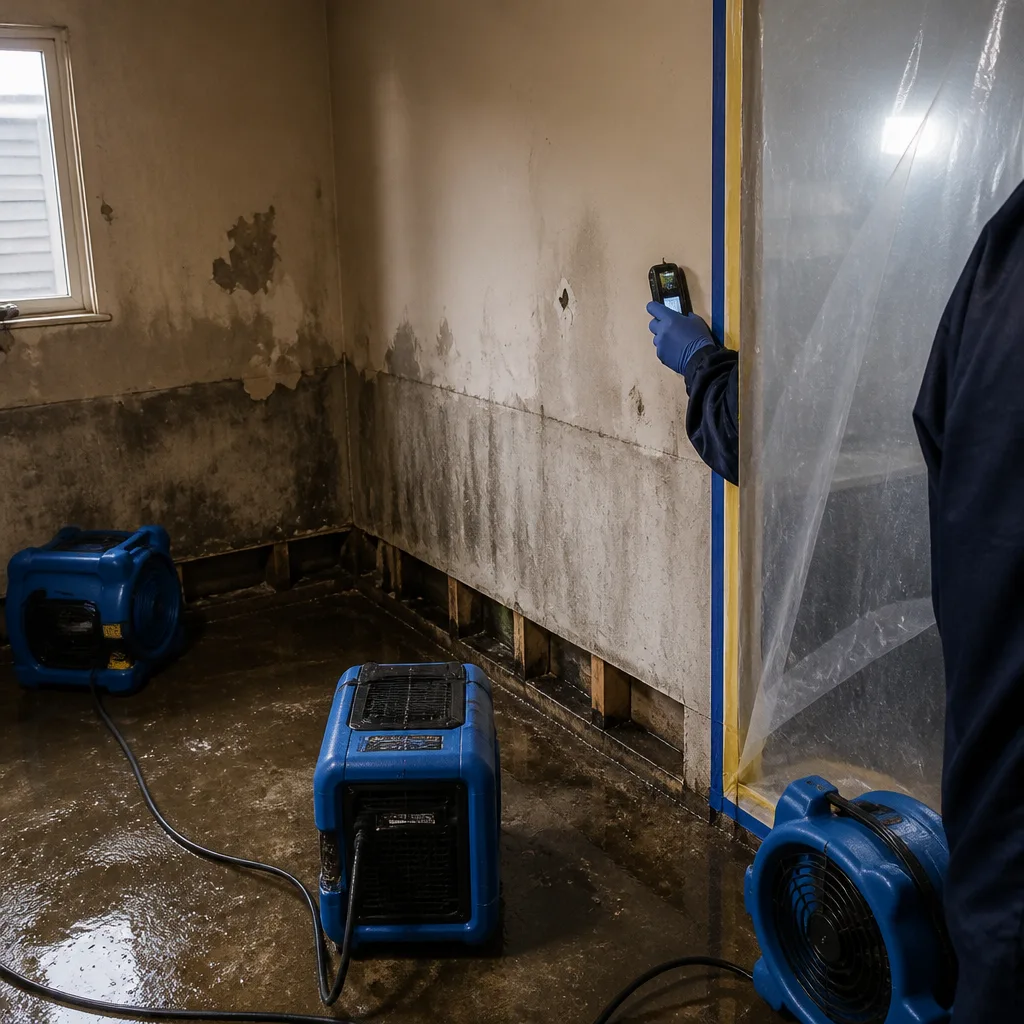 Before
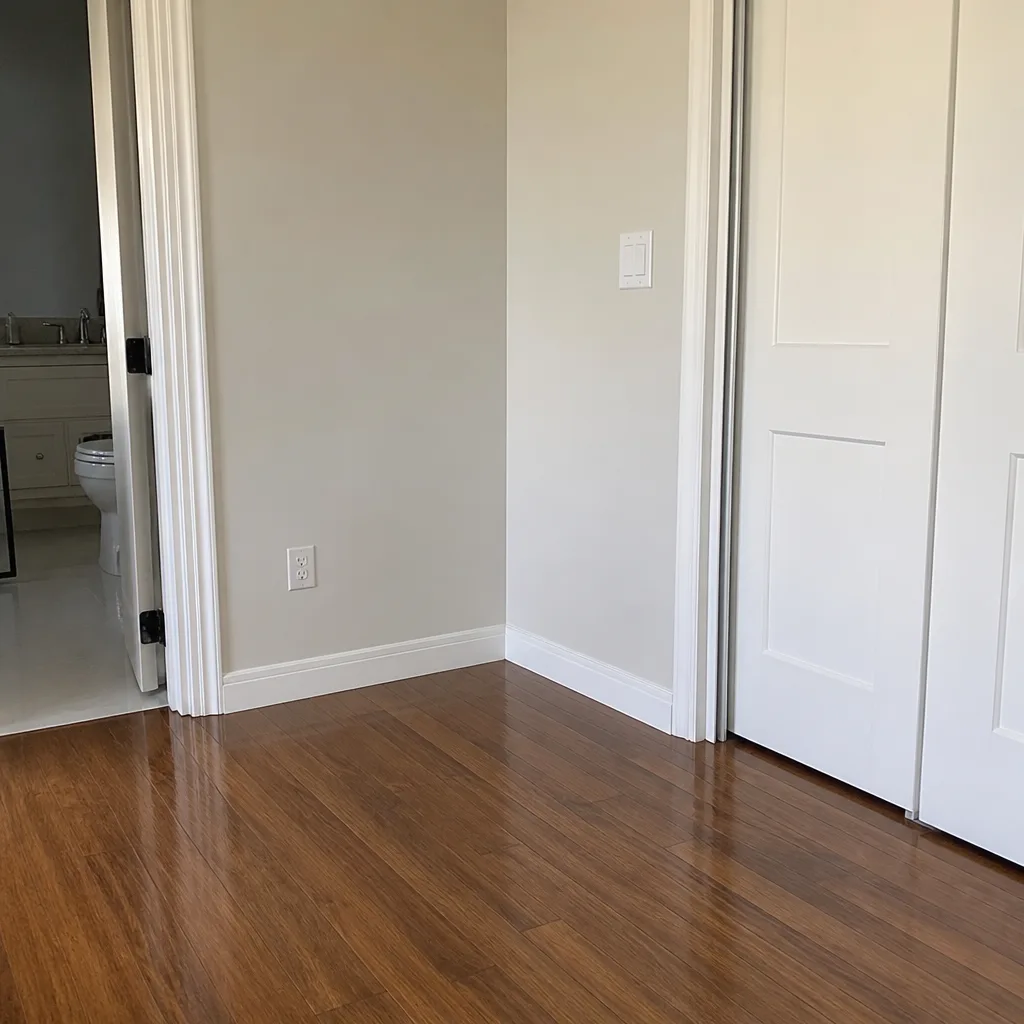 After
AfterHow Much Does Water Damage Restoration Cost in San Diego?
Water Damage Restoration in San Diego typically costs between $2,400 and $7,800 for a full professional job in 2026. Minor isolated issues like a small leak under a sink can run as low as $450 to $1,200, while major floods requiring structural drying and rebuild work commonly reach $12,000 to $30,000+. The single biggest factor is the category of water involved (clean, gray, or black), followed closely by how much square footage is affected and how long the water has been sitting.
At Dryden Restoration San Diego, we give you a written price before any tool is touched. That means the number you approve is the number you pay. No door-wrench surprises, no “well, we found more.” If we find something mid-job, we stop, explain it in plain English, and get your sign-off before proceeding. That’s the Kingswell Way: say the price before the work.
If you’re staring at standing water right now, call (619) 453-0410. A live person answers, 24 hours a day, 7 days a week. Not a voicemail. Not a callback queue.
Water Damage Restoration Cost Breakdown (2026)
Here’s what you can expect to pay for Water Damage Restoration Near Me in San Diego, CA this year, broken down by job type. These are real ranges from our service area, which includes neighborhoods like Mission Valley, Clairemont, Pacific Beach, La Jolla, Rancho Bernardo, Chula Vista, El Cajon, and Oceanside.
| Job Type | Typical Price Range (San Diego, 2026) | What It Includes |
|---|---|---|
| Small pipe leak repair + spot drying | $450 – $1,200 | Isolate leak source, dry affected area (under 50 sq ft), minor drywall patch if needed |
| Single-room water extraction and drying | $1,200 – $3,500 | Water extraction, baseboard removal, air movers and dehumidifiers running 3 – 5 days |
| Whole-room flood restoration (200 – 400 sq ft) | $3,000 – $7,800 | Full extraction, sanitization, structural drying, drywall and flooring replacement prep |
| Multi-room water damage (400 – 800 sq ft) | $7,000 – $14,500 | Full interior restoration, flooring removal, trim work, and drying across zones |
| Category 3 (black water) sewage backup | $8,000 – $30,000+ | Emergency extraction, full sanitization, removal and replacement of contaminated materials, post-remediation testing |
| Hidden leak behind walls or under slab | $2,000 – $9,000 | Moisture mapping, opening walls or flooring, leak source repair, drying, and structural re-cover |
| Emergency after-hours response (weekends, nights) | Typically adds $150 – $400 to base job | Immediate dispatch and initial mitigation; assessed honestly, not padded |
These ranges reflect what we see across San Diego County in 2026. Apartment and condo units in El Cajon or National City often run slightly lower because of smaller square footage. Single-family homes in La Jolla or Del Mar with premium flooring and custom cabinetry can push toward the higher end because material replacement costs more.
What drives the number up or down? The two biggest variables are water category and how long the water sat. Clean water from a supply line that’s caught within hours is often a drying job. Water that’s been soaking into drywall, subfloor, and baseboards for days means removal and replacement. Gray water from a washing machine overflow needs sanitization. Black water from sewage requires full containment, removal, and post-remediation verification. None of this is guesswork on our end. We do what’s called psychrometric drying, which is just a precise way of measuring temperature, air movement, and RH (relative humidity, or how much moisture is in the air) to know exactly when the space is actually dry. Not when it feels dry. When it is dry.
What Affects Water Damage Restoration Pricing in San Diego
Every water damage job is different, and San Diego’s specific geography and housing stock shape pricing in ways that differ from, say, Phoenix or Seattle. Here’s what moves the number:
- Water category (clean, gray, or black). Clean water from a burst supply line is the least expensive to handle. Gray water, which may contain soap, food particles, or washing machine runoff, requires sanitization. Black water, which contains sewage or floodwater, requires full containment and material replacement. The difference between clean and black water on the same square footage can multiply the cost 3 – 5x.
- How long the water has been sitting. San Diego’s mild climate doesn’t just dry things out on its own in a helpful way. Water trapped behind drywall in a Clairemont split-level can wick upward into insulation and studs for days before you notice staining. Every 24 hours of standing moisture increases the chance of secondary damage and mold growth, which widens the job scope.
- Square footage of the affected area. Water spreads along the path of least resistance. A toilet overflow in an upstairs bathroom of a Rancho Bernardo home can migrate down through the ceiling cavity, across the joists, and into a living room wall. What looks like 80 square feet of damage is often 300 square feet of drying and 120 square feet of replacement.
- What got wet and whether it can be saved. Tile and concrete in a Chula Vista slab home dry faster and cleaner than engineered hardwood in a Del Mar remodel. Carpet pad almost always goes. Solid hardwood can sometimes be saved with careful drying. Some San Diego homes built in the 1960s and 1970s have materials that simply don’t tolerate water well: old particleboard subfloor, lauan underlayment, and glued-down carpet from the disco era are all replacement candidates.
- Access and structural complexity. Crawlspaces under older Mission Hills or North Park craftsman homes are tighter and harder to work in than the open attics of newer Vista or Carlsbad tract housing. If our technicians need to haul equipment up three flights in a Pacific Beach condo, that’s different than backing a truck up to a garage in Santee.
- Mold presence or risk. San Diego’s coastal areas (Ocean Beach, Point Loma, Coronado) run higher ambient humidity, which means mold grows faster once water is introduced. If microbial growth has already started, we’re not just drying: we’re containing, treating, and removing affected materials. That’s a bigger job, and it should be. Cutting corners on mold isn’t restoration, it’s postponing a bigger problem.
One thing that doesn’t affect your price at Dryden Restoration San Diego: the time of day you call. We charge a fair emergency premium for after-hours dispatch, not a gouged one. And we tell you about that premium before the truck rolls.
San Diego Water Damage Restoration Cost by Category
Let’s go deeper on the water categories, because this is where homeowners genuinely save or lose money depending on who they hire.
Category 1: Clean Water
Typical cost: $1,200 – $6,000
Clean water comes from a supply line, a faucet left running, a refrigerator line, or a broken pipe. If caught within 24-48 hours, much of the job is extraction and drying. Carpet can often be saved if it’s professionally dried within the right window and the pad is replaced. In San Diego homes, we frequently see this as a kitchen sink supply line failure in Clairemont or a water heater leak in a Chula Vista garage. The cost here is mostly labor, equipment rental time, and minor material repair like repainting trim or replacing a section of baseboard.
Category 2: Gray Water
Typical cost: $2,500 – $12,000
Gray water carries contamination that can cause illness if touched or ingested. Think washing machine overflows, dishwasher discharge, aquarium leaks, or water that has traveled through a ceiling. In our experience across the San Diego market, this is the category homeowners most often underestimate. The water may look clean, but it’s been through enough to require sanitization. Our technicians don’t just dry the area; they treat it to remove contaminants before drying begins. In Carlsbad and Encinitas, where many homes have second-floor laundry rooms, a gray water event often means Basement Water Removal and ceiling repair in the room below, plus drying in both areas.
Category 3: Black Water
Typical cost: $8,000 – $30,000+
Black water is sewage, floodwater, or any water that has been sitting long enough to grow bacteria. This is the full-protocol job. It requires containment barriers, negative air pressure, full personal protective equipment for our technicians, removal of contaminated porous materials (drywall, carpet, pad, insulation, unsealed wood), and post-remediation testing. In San Diego, we see black water most often from sewage backups in older neighborhoods like North Park, South Park, and Lemon Grove, where decades-old clay sewer lines meet root intrusion and seismic settling. This is not a DIY category, and we say that strongly. Sewage exposure is a genuine health risk, not a wet carpet problem.
The Dryden Water Damage Restoration Process (and Pricing Transparency)
Here’s exactly how a job with us runs, step by step. We’re spelling this out so you can compare it against whatever else you’re hearing from contractors.
Step 1: You call. A person answers.
Call (619) 453-0410 any hour, any day. No voicemail tree. The person who answers will ask about the situation, tell you what to do (and what not to do) while you wait, and book a technician for a specific window. We give you a committed arrival window, not a “sometime between 8 and 5.”
Step 2: Assessment and written price.
Our technician arrives in a Dryden uniform, walks the affected area, checks moisture levels in the materials themselves (not just the air), and identifies the water source and category. Then you get a written price before any work starts. The number does not change at the door. If we find additional damage mid-job, we stop, explain what we found, and get your written approval before continuing.
Step 3: Extraction and removal.
We remove standing water with extraction equipment, then remove materials that can’t be saved. This is the part where honest pricing matters. Some contractors bid low on extraction and then “discover” a wall that needs to be opened. Our assessment trips are designed to find hidden moisture before we price, not after.
Step 4: Structural drying.
We set up Dri-Eaz, Phoenix, and XPOWER air movers and dehumidifiers, and schedule monitoring visits to check drying progress. This stage typically runs 3 – 5 days in San Diego’s coastal climate. Our technicians track moisture readings day by day, so you’re not paying for equipment to run longer than needed and not getting a “dry” space that’s actually still holding moisture behind the baseboard.
Step 5: Repair and restoration.
Once the structure is dry, we handle the repairs: drywall, baseboard, paint, flooring, whatever it takes to bring the space back. In our service area, this can mean matching the mid-century baseboard in a Clairemont ranch or matching newer laminate in an Otay Mesa home. We’re not finished until the job site is clean.
Step 6: The 365-Day Done Right Promise, in writing.
Every Dryden Restoration San Diego job comes with a written guarantee: if the repair fails within one year, we come back and make it right at no charge. Not a verbal promise. Not a “warranty” buried in fine print. A documented, signed commitment. This is the Kingswell Guarantee, and it’s the reason we’re comfortable putting our pricing and our work on paper from the first visit.
How to Save on Water Damage Restoration
Water damage is not a place to shop for the lowest bid. It’s a place to shop for the most honest bid. That said, here are real ways to keep costs down without cutting the wrong corners:
- Act fast. The faster water is extracted and drying begins, the less material needs to be removed and replaced. A leak caught at hour 6 is dramatically cheaper than the same leak caught at hour 72. The best money-saver in water damage is speed.
- Know your water shut-off. Every adult in the house should know where the main water shut-off valve is and how to turn it. In San Diego, many valves in older homes (Mission Hills, Bankers Hill, Normal Heights) are original and stiff. If you can stop the water at the source before we arrive, you can save hundreds in extraction scope.
- Don’t rent a big-box store fan and “wait it out.” Homeowners trying to save money with DIY drying almost always end up paying more in the long run. A box fan and open windows do not dry hidden cavities. By the time you smell must, you’ve compounded the original job into a bigger one. We’ve walked into homes in Oceanside and Vista where a well-intentioned weekend of DIY drying turned a $1,500 extraction into a $6,000 remediation.
- Check your insurance policy before you need it. Many San Diego homeowners’ policies cover sudden and accidental water damage but exclude gradual leaks. Call your agent and ask two direct questions: “Does my policy cover water damage from a sudden pipe burst?” and “Does it exclude long-term seepage or slow leaks?” Knowing the answer now changes how you respond when water appears at 11 p.m.
- Get a written estimate from us, even if you don’t hire us. We do free estimates. Call (619) 453-0410 and we’ll send a technician to assess the job and put a written price in your hand. You’re under no obligation. That piece of paper is yours to compare, and it gives you a real benchmark against whatever other contractor is telling you.
Water Damage Restoration in San Diego: What the Locals Deal With
San Diego’s housing stock and weather patterns create specific kinds of water damage that we see again and again. Understanding what hits your neighborhood helps you understand the pricing above.
In the coastal strip from Ocean Beach through Pacific Beach to La Jolla, we regularly see two things: slab leaks and copper pipe pinhole failures. The salt air and high ambient RH (relative humidity, or the amount of moisture the air is holding) mean that copper piping in homes built during the 1970s construction boom is nearing the end of its service life. Pinholes develop, water seeps out behind walls and under floors for days before detection, and by the time you see water, the damage is already structural. Slab leaks in mid-century slab-on-grade construction are particularly common in Clairemont Mesa, Linda Vista, and parts of National City. In these homes, water lines run through or under the concrete slab, and a leak means either breaking through concrete or rerouting the line overhead.
In the inland valleys (Rancho Bernardo, Poway, Escondido, Santee, El Cajon), we see water heater failures and washing machine hose bursts. The homes are newer on average, but the pattern is familiar: a braided supply line fails while no one is home, water runs for hours, and the damage spreads across multiple rooms. The dry inland climate doesn’t dry water damage meaningfully faster because once moisture is trapped inside the wall cavity, it’s trapped. Sun and low ambient humidity don’t reach behind drywall.
In the older neighborhoods (North Park, South Park, Golden Hill, Sherman Heights, parts of Chula Vista), we see aging cast iron and clay sewer pipes. Tree roots, shifting soil, and decades of use lead to backups. A sewage backup in a 100-year-old craftsman with original wood floors is one of the most expensive restoration jobs in our market. The damage is Category 3, the building materials are often porous and original, and the repair standards are higher because the home itself has heritage value.
Why Dryden Restoration San Diego Prices the Way We Do
We don’t bid low to get the job and then adjust later. We’re part of the Kingswell family of independently owned restoration businesses, and we’ve operated under one principle since we started serving San Diego in 2005: say the price before the work.
That means a few things in practice. Our estimate reflects the full scope as we understand it on assessment day, including equipment, labor, materials, and whatever removal the job genuinely requires. If we think a wall might need to be opened and it turns out it doesn’t, you pay less. If we think the pad can be saved and it can’t, we stop and show you. You’re never paying for our surprise.
Every technician who enters your home is background-checked, uniformed, and trained in the standards set by the IICRC (Institute of Inspection, Cleaning and Restoration Certification), RIA (Restoration Industry Association), and IFA (International Federation of Associations). We run Dri-Eaz, Phoenix, XPOWER, B-Air, and Injectidry systems. These are the same professional-grade machines used by commercial restoration crews on large-scale jobs. You don’t need to know brands to trust us, but when a contractor shows up with two rental fans from a hardware store, that’s information you should have. We tell you what equipment we’re using and why. In plain English, not trade-speak.
The Kingswell Way is four commitments, and we print them on every job: Say the price before the work. Show up in the window we gave. Leave the place cleaner than we found it. Put the guarantee in writing. That last one is what we’re most proud of: the 365-Day Done Right Promise. If any covered repair fails within a year, we return and correct it at no charge. A free second visit, documented in writing, on every job. This is the difference between hiring a restoration company that shows up and a company that stands behind the work after the invoice is paid.
Carl Brandt leads our restoration team. He’s the person you can ask for by name if you ever feel like something isn’t being explained clearly. We’re a local San Diego company, not a national franchise with a call center in another state. When you call (619) 453-0410, the phone rings in our San Diego office, and a person picks up. That matters when water is spreading across your floor at 2 a.m.
Does Insurance Cover Water Damage Restoration?
Most San Diego homeowners’ policies cover sudden and accidental water damage: a Burst Pipe Restoration, a water heater rupture, an overflowing toilet with clean water, a washing machine supply line that fails. The typical covered job is priced between $2,000 and $15,000, and most policies have a deductible between $500 and $2,500.
What’s commonly excluded: gradual leaks. If a pipe has been seeping behind a wall for six months and you file a claim, the insurer will likely deny it as a maintenance issue. This is where we hear the most frustration from San Diego homeowners. In coastal neighborhoods especially, pinhole copper leaks often go undetected for weeks, and the resulting damage can be substantial. Our advice stands: talk to your insurance agent now, before you need to file, and ask exactly what your policy language says about “continuous or repeated seepage.”
Dryden Restoration San Diego works with all major insurers and can help you document the job for your claim. But we work for you, not the insurance company. Our pricing is our pricing, and we put it in writing regardless of who ultimately pays.
Is It Cheaper to Repair or Replace Wet Materials?
It depends on the material, but here are honest numbers from our San Diego restoration work:
- Carpet: If the water is Category 1 and caught within 24 hours, the carpet can often be saved and re-stretched at a cost of $150 – $400 per room. Carpet pad is almost never saved; replacement runs $0.60 – $1.20 per square foot. If the water is Category 2 or 3, carpet goes. Full replacement with mid-range carpet in San Diego runs $4 – $8 per square foot installed.
- Drywall: Water-damaged drywall below about 4 feet is rarely saved. It wicks, crumbles, and harbors mold. Replacement (material, labor, texture, paint) typically runs $2 – $4 per square foot of affected wall area in San Diego.
- Hardwood flooring: Solid hardwood can sometimes be saved with Injectidry panel drying, which pulls moisture out from under the floorboards. This runs $400 – $1,200 per room for the drying itself, versus $8 – $15 per square foot for full replacement. We try the less expensive option when it’s viable and tell you honestly when it’s not.
- Tile: Tile itself usually survives water. The concern is what’s underneath. If the subfloor or mortar bed is saturated, the tile may need to be pulled to dry the structure, which means full re-installation. That’s a $1,500 – $5,000 job depending on the area.
Our technicians follow IICRC standards for what can and can’t be saved. We don’t push replacement where drying is adequate, and we don’t push drying where replacement is the only honest answer. You get a written recommendation with the reasoning spelled out.
Water Damage Restoration Cost: Key Takeaways
- Typical San Diego water damage restoration cost: $2,400 – $7,800 for a standard single-room or multi-room job in 2026.
- Small jobs start around $450. Major Category 3 events can exceed $30,000.
- Speed is the biggest cost lever. A fast response means less removal and replacement.
- Water category matters more than square footage. Black water triples to quintuples the cost compared to clean water.
- Insurance covers sudden events, not slow leaks. Check your policy before you need it.
- Written pricing and a written guarantee are non-negotiable. If a contractor won’t put the price on paper, keep looking.
- Call (619) 453-0410 for a free estimate. A live person answers, 24/7.
FAQs – Water Damage Restoration Cost
How much does water damage restoration cost per square foot in San Diego?
Water damage restoration in San Diego typically runs $7 – $20 per square foot depending on the water category and what materials need replacement. Clean water drying on a simple tile floor may run at the low end, while black water contamination requiring full removal and rebuild runs higher. Call (619) 453-0410 for an exact written quote; estimates are free.
What is the average cost of water damage restoration in San Diego?
The average water damage restoration job in San Diego costs $3,800 to $5,200. That’s for a typical single-event, single-area job like a washing machine overflow or water heater leak. Smaller isolated events run under $1,200. Full-home floods or sewage backups run $12,000 and up.
Can you come today?
Yes. Dryden Restoration San Diego offers same-day emergency response throughout the San Diego area. When you call (619) 453-0410, a live person answers and books a technician for a specific arrival window, not an open-ended wait. In many cases we can have a uniformed technician at your home within a few hours.
Is water damage restoration covered by insurance?
Sudden water damage from a burst pipe or overflowing appliance is covered by most San Diego homeowners’ policies, typically subject to a $500 – $2,500 deductible. Gradual leaks that have seeped over weeks or months are usually excluded. We recommend calling your agent today and asking specifically about “sudden and accidental” versus “continuous seepage” language.
Is it cheaper to repair or replace wet drywall?
In almost every case, wet drywall is replaced, not repaired. Drywall wicks moisture upward and degrades; patching over dried-out drywall invites mold. Replacement in San Diego typically costs $2 – $4 per square foot including texture and paint. Trying to save wet drywall is false economy.
What’s the difference between a $1,000 job and a $10,000 job?
The difference is almost always water category, time elapsed, and what got wet. A clean-water leak caught in hours on a tile floor in a Chula Vista slab home is a four-figure job. A sewage backup discovered after days in a North Park craftsman with original wood floors is a five-figure job. The honest answer is in the assessment; that’s why we provide written pricing after a proper inspection, not a guess over the phone.
Get Your Free Estimate
If you’re dealing with water damage in San Diego, or if you suspect a slow leak behind a wall, call us. We’ll send a background-checked, uniformed technician to assess the situation and provide a written price before any work starts. The estimate is free. The number doesn’t change at the door. And every job we complete is backed by the 365-Day Done Right Promise in writing.
Water damage is a clock-running problem, not a “wait and see” problem. The sooner we extract, dry, and document, the less you’ll pay and the less you’ll lose. We’ve been serving San Diego homeowners since 2005 as part of the Kingswell family. We pick up the phone. We show up when we say we will. We put it all in writing.
Call (619) 453-0410 now. A live person answers, 24 hours a day, 7 days a week.
Pricing reflects the San Diego market as of 2026. Dryden Restoration San Diego offers free estimates – call (619) 453-0410.
Written by Carl Brandt, Owner at Dryden Restoration San Diego, serving San Diego since 2005.
What Our Customers Say
"Found mold behind the bathroom wall after a slow leak. They tested it, showed me what they found, and were upfront that it was a smaller job than I feared. No scare tactics, fair price."
- Monica Shelby"Honest crew. They could have told me the whole floor needed to come up. Instead they dried it properly, monitored it for a few days, and saved most of the hardwood. Checked their own work before closing it out."
- Andre Washington"Fridge line leaked behind the cabinets for weeks. They found the hidden water, dried it properly, and checked it for a few days before signing off. Thorough and honest."
- Phil Hargis