
Last updated October 16, 2026
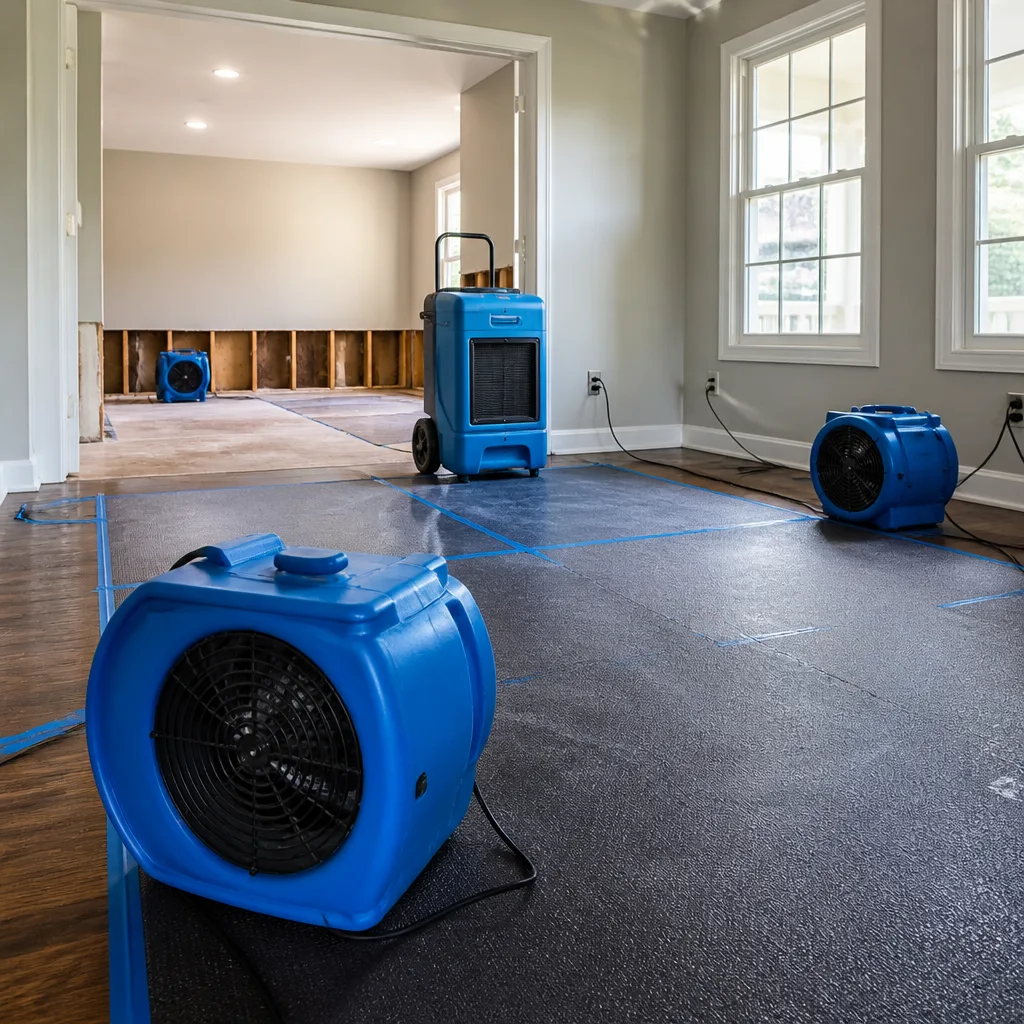 Water damage drying
 Fire & smoke cleanup
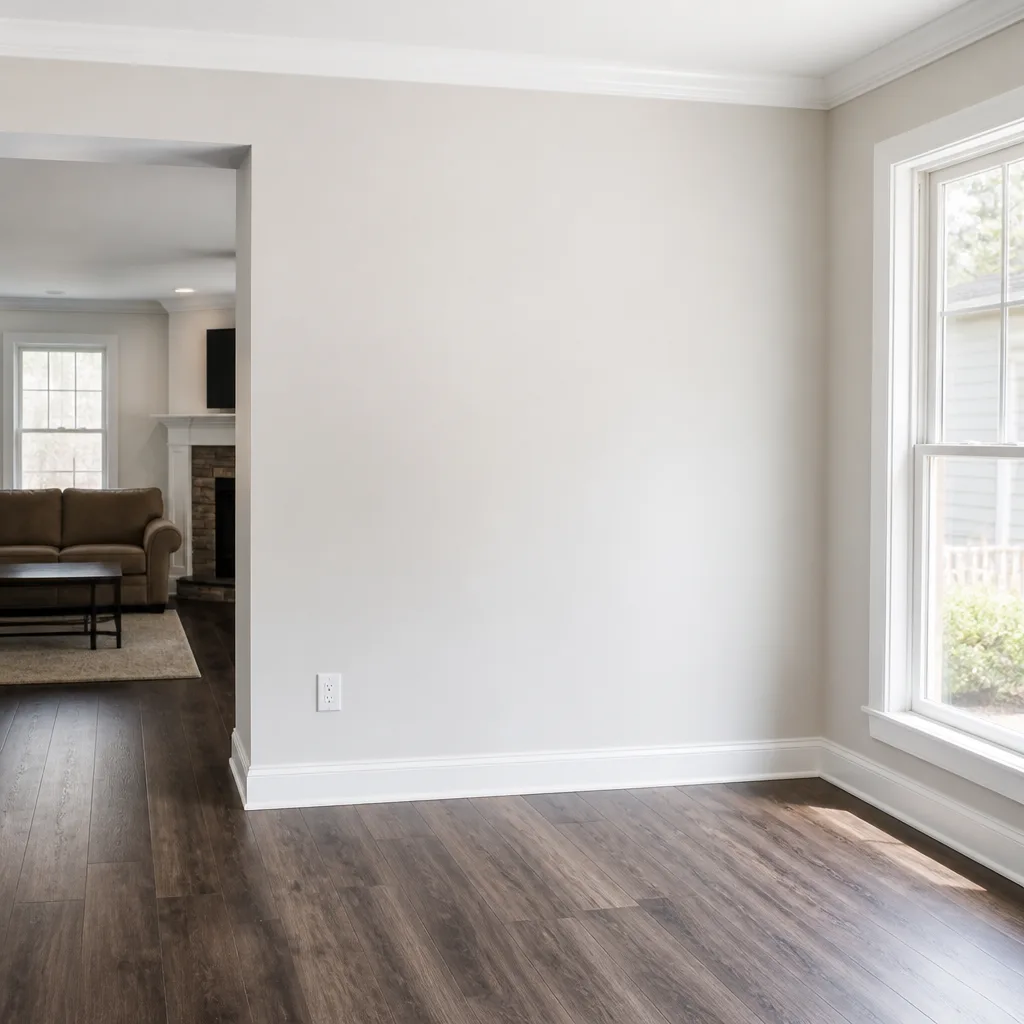 Mold remediation
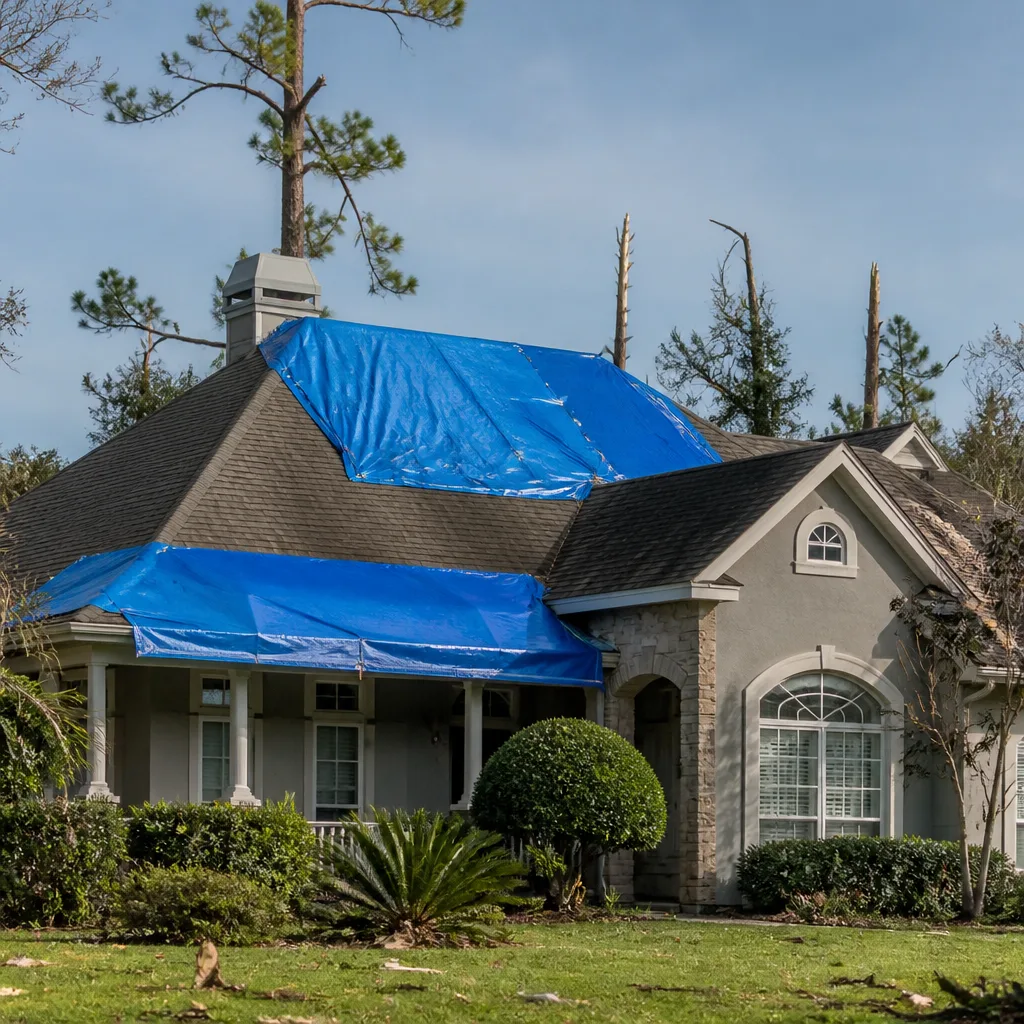 Storm response
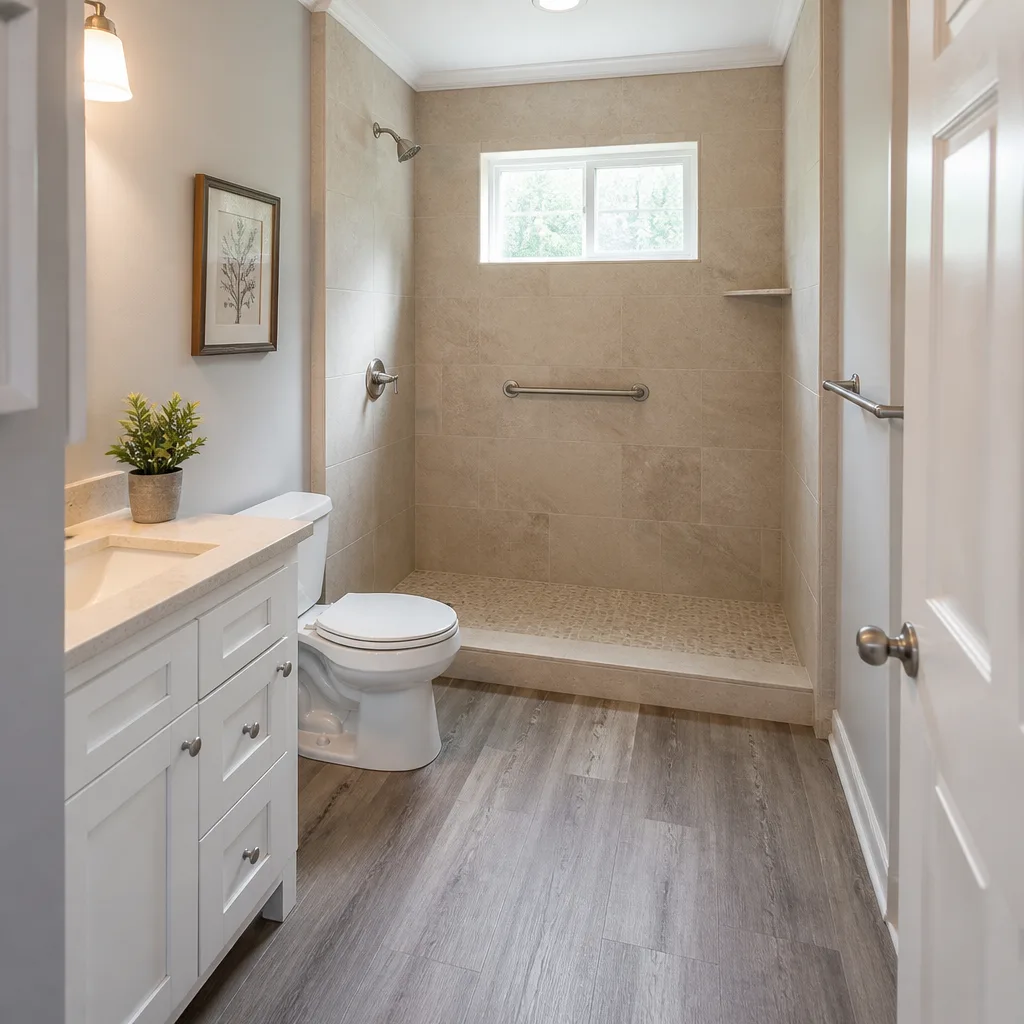 Sewage cleanup
 Reconstruction
Free visual inspection and a written scope of work before any mitigation begins - photos, moisture readings, and drying logs go in your claim file
The scope we write is the scope we bill. Anything new gets shown to you, in writing, before we touch it.
Get your free estimateDIY vs Professional Damage Restoration: The San Diego Homeowner’s Decision Guide
Renting a box fan from Home Depot and pointing it at a wet wall is the most common DIY mistake in water damage situations. It moves air but doesn’t control humidity, and in San Diego’s coastal air it can actually raise the moisture content of the room and accelerate mold growth. This guide draws a clear line between what a San Diego homeowner can safely handle in the first hour of a water, mold, or fire event, what needs professional equipment, and what your insurance policy quietly expects you to do either way, with a water damage restoration maintenance checklist for San Diego homeowners to keep on hand. You’ll learn which tasks save real money when done yourself and which ones become $5,000 lessons.
Restoration work we handle
Quick Answer
DIY damage restoration is safe and smart for the first-hour emergency response: stopping the water source, moving contents out of the wet zone, taking photos for your claim, and setting up basic ventilation in dry-weather conditions. But within 24 to 48 hours, structural drying, mold treatment, and any fire-damage work in San Diego should shift to a professional with industrial desiccant dehumidifiers, moisture meters, and IICRC-aligned training, because what’s hidden inside walls and under flooring is where the real damage lives, and your insurer may require licensed-contractor documentation to honor a claim. Call Dryden Restoration San Diego home at (619) 453-0410 if you’re unsure whether your situation is in the DIY or professional category.
Table of Contents
- The First Hour: Tasks Every Homeowner Should Do Themselves
- The Equipment Gap: Why Consumer Fans and Rental Units Fall Short
- The Insurance Reality: What Your Policy Actually Says About DIY Work
- Where DIY Saves Real Money (and Where It Doesn’t)
- The Hidden Cost of a DIY Drying Job Done Wrong
- Having an Honest Conversation With a Contractor About Splitting the Work
- The Task-by-Task Matrix: DIY vs Professional
- Common Mistakes to Avoid
- When to Call a Professional
- Frequently Asked Questions
- The Bottom Line
The First Hour: Tasks Every Homeowner Should Do Themselves
The first 60 minutes after a pipe bursts, a water heater fails, or a dishwasher floods the kitchen are yours. You don’t need permission, and you don’t need a contractor. What you do in this window routinely cuts the total damage bill by 30 to 50 percent, because you’re interrupting the most destructive phase: standing water soaking into drywall, subfloor, and cabinetry. In San Diego, where many homes sit on slab foundations with sheet vinyl or engineered wood over concrete, water has nowhere to drain down and instead wicks outward, so speed matters even more.
Here’s what a homeowner can safely handle right now:
- Stop the water at the source. Close the shutoff valve under the sink, behind the toilet, or at the water heater. If you can’t find a local valve, turn off the main at the street. Every minute you delay adds roughly another gallon to the affected square footage, depending on pipe size.
- Cut power to the affected area. Water and electricity don’t mix. Flip the breaker for any room with standing water. If the panel is in a wet area, don’t touch it; wait for a professional.
- Move dry contents out of the wet zone. Furniture, rugs, boxes, electronics, anything that hasn’t been saturated. Haul it to a dry room or the garage. You’ll save thousands in replacement costs with this single action.
- Photograph everything before you touch anything further. Your cell phone is the most important tool you own right now. Shoot wide shots of each affected room, then close-ups of water lines on drywall, wet carpet seams, and any standing water depth. Your insurer needs this for your claim.
- Remove loose, saturated items. Soaked throw rugs, pet beds, cushions, cardboard boxes. Pull them out and set them in the sun or the garage. These items hold moisture against flooring and baseboards.
- Set up ventilation only if it’s a dry San Diego day. If relative humidity outside is under 50 percent and it’s not a June-gloom morning or coastal-fog afternoon, open windows and run whatever fans you own. If the air feels damp, keep windows closed and call a professional. This is where the box fan mistake lives.
Everything on this list is non-structural, zero-risk, and fully reimbursable by your insurance if you document it. You are not doing “restoration work” in the eyes of your policy. You are performing emergency mitigation, which every policy actually expects you to do. The line between the two is where this guide lives.
The Equipment Gap: Why Consumer Fans and Rental Units Fall Short
A consumer-grade dehumidifier from Costco or Home Depot pulls roughly 30 to 50 pints of water from the air per day under ideal conditions. A professional-grade Phoenix or Dri-Eaz desiccant dehumidifier pulls 130 to 150 pints per day, operates at lower temperatures, and works effectively even when the San Diego marine layer has the ambient relative humidity (RH) sitting at 70 percent. That’s not a 2x difference. It’s closer to 4x or 5x, and it’s measured in grains per pound of dry air, which is the unit professional restorers use when mapping a drying plan.
The reason this matters in San Diego specifically comes down to psychrometrics, the science of air, temperature, and moisture. When outdoor RH is high, which happens routinely in Point Loma, La Jolla, Mission Beach, and anywhere within two miles of the coast from May through August, a box fan is moving damp air across a damp wall. You’re not drying anything; you’re just circulating moisture. The wall cavity behind the drywall stays wet because the air you’re pushing at it is already saturated. This is how mold takes hold in 48 to 72 hours without the homeowner ever realizing anything went wrong.
Professional drying relies on three pieces of equipment working together:
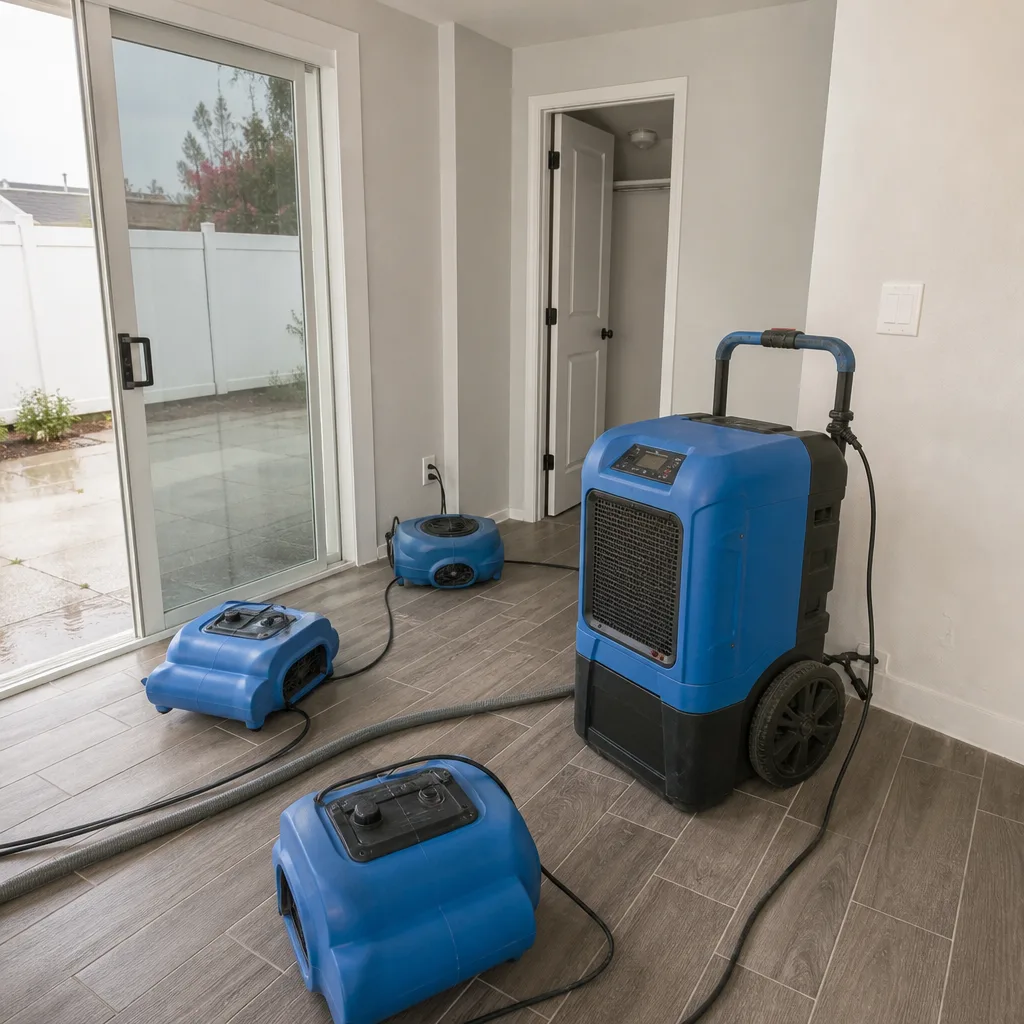
- High-grain dehumidifiers: Phoenix, Dri-Eaz, and B-Air units that pull industrial volumes of water from the air, bringing room RH down into the 30 to 40 percent range where evaporation actually happens.
- High-velocity axial air movers: XPOWER and similar-brand fans that create a directed airstream across wet surfaces, not just a general breeze through the room. This is about pushing dry air at the specific wall or floor assembly that’s holding water.
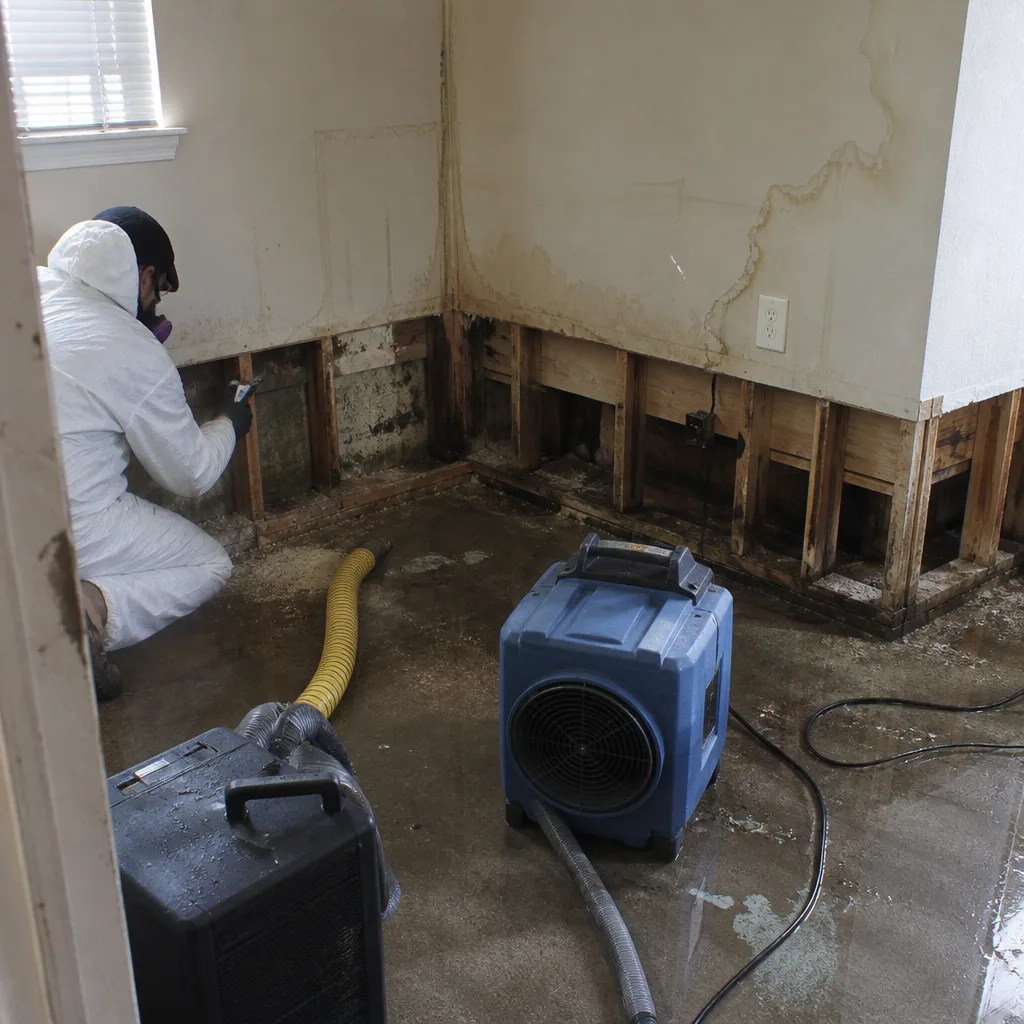
- Injectidry or drying-mat systems: These pull water directly from inside wall cavities and under flooring through vacuum pressure, reaching areas no fan can touch. If your baseboards are wet but the drywall shows no visible damage, there’s almost certainly water trapped inside the wall, and an air mover will never reach it in time.
The rental path looks cheaper on paper. A big-box rental dehumidifier runs $50 to $80 per day. Three days of rental plus the fans you already own feels like a $250 solution. But a rental unit still won’t match the grain-per-hour output of professional equipment, it won’t include a moisture meter to verify the wall actually dried, and it won’t document the drying curve for your insurer. In practice, we regularly see San Diego homeowners who spent $300 on rentals and still ended up with a $4,000 mold problem six weeks later because the wall cavity never dropped below the mold-threshold moisture content of 16 percent for wood or 0.5 on the drywall moisture scale.
The Insurance Reality: What Your Policy Actually Says About DIY Work
Most homeowners insurance policies in California contain a provision requiring the policyholder to take “reasonable steps” to prevent further damage after a covered event. That clause encourages the first-hour DIY work we described above. Where DIY goes sideways is in the remediation and reconstruction phase, and this is where the specific policy language matters-something covered in our step-by-step guide on how to hire a damage restoration contractor in San Diego.
Here’s what you need to know about how your San Diego claim interacts with DIY restoration decisions:
- “Neglect” exclusions are the quiet killer. Every standard HO-3 and HO-5 policy excludes coverage for mold, rot, and “continuous or repeated seepage” when the insurer can argue the homeowner failed to act. If you begin a DIY drying effort, don’t verify the moisture is actually dropping with a meter, and mold blooms six weeks later, the insurer can classify the mold damage as neglect caused by your incomplete remediation. That’s not a hypothetical; it’s one of the most common claim denials in Southern California.
- Licensed-contractor documentation is often required for mold claims above a threshold. In California, mold remediation is legally required to be performed by a licensed contractor when the affected area exceeds 10 square feet. If your claim involves a larger mold issue and you attempted the cleanup yourself, your insurer may reject the claim entirely and require you to pay for both the botched cleanup and the professional re-remediation.
- Your DIY labor isn’t reimbursable. If you spend three days ripping out drywall and hauling debris, your insurer may credit you a small amount for “reasonable mitigation labor,” but it won’t match what a contractor’s estimate would have shown. The moment you move from emergency action to structural work, you’re doing unpaid labor that won’t offset the eventual professional bill.
- Documentation is the bridge between DIY and professional. Take photos before, during, and after your first-hour mitigation. Keep receipts for anything you buy (tarps, fans, containers). Log the time and date you discovered the damage, the time and date you called to report the claim, and every action you took. This documentation is what protects your emergency work from being classified as neglect later.
If you’ve already started a DIY project and you’re not sure whether it’s enough, the safest move is to call Water Damage Restoration in San Diego professional who can assess what you’ve done, verify moisture levels with a meter, and produce the documentation your adjuster will want to see. We’d rather tell you that you handled it correctly than watch you fight a denied claim.
Where DIY Saves Real Money (and Where It Doesn’t)
The honest answer is that DIY saves meaningful money in three specific phases, and somewhere between nothing and negative dollars everywhere else. Understanding the difference is what separates a smart homeowner from one who spends $1,500 renting equipment and then pays $5,000 on top of that for re-remediation.
Where DIY genuinely saves money:
- Content moving and staging. A restoration contractor charges $60 to $100 per hour for labor, and a significant share of that time on day one is moving furniture, boxing up dry belongings, and shifting rugs. If you do this yourself in the first two hours, you’re saving $300 to $600 in labor. There is zero skill involved here, just effort. This is the single best dollar-per-hour return in the entire DIY restoration conversation.
- Debris removal from unaffected areas. Once the water is contained and you know what’s wet and what’s dry, hauling your own dry debris (old boxes, yard clippings, renovation scraps that were never part of the damage) to the dump saves the contractor’s hauling fee. Miramar Landfill charges around $45 per load for San Diego residents, and a contractor’s debris hauling line item typically runs $150 to $400 depending on the volume.
- Documentation photography and inventory lists. Your adjuster will ask for an inventory of damaged contents. Building that list yourself, with photos and serial numbers where possible, saves the $40 to $75 per hour that a contents service would charge. Expect to spend two to four hours on this for a typical single-room loss. That’s $120 to $300 back in your pocket.
Where DIY costs you money:
- Structural drying. The equipment gap described above means your $300 rental solution often fails to dry the wall cavity, which leads to mold, which leads to a professional bill that’s $2,000 to $5,000 higher than if you’d called from the start.
- Mold remediation over 10 square feet. In California, this is legally required to be handled by a licensed contractor. Attempting it yourself exposes you to health risk and a denied insurance claim.
- Fire damage and smoke residue. Soot is acidic and bonds to surfaces within hours. Consumer sponges and household cleaners smear it and drive it deeper. Professional smoke damage restoration requires specific chemistry and sealing techniques that can’t be replicated with OxiClean.
- Anything involving high-tension springs, electrical panels, gas lines, or steep-roof access. These are safety hazards where a mistake is measured in hospital visits, not dollars. Leave these to a trained professional, full stop.
The Hidden Cost of a DIY Drying Job Done Wrong
Let’s put specific numbers on the most common DIY failure pattern we see in San Diego.
A homeowner in Clairemont discovers a slow leak under the kitchen sink on a Tuesday. The cabinet is damp, the baseboard shows a water line, and there’s a faint musty smell. They run a box fan at the cabinet for three days, maybe rent a dehumidifier from a tool rental shop in Kearny Mesa, and call it done. The surface feels dry. Six weeks later, the musty smell is back. They call us. We pull the baseboard, and the drywall behind it is black with mold behind the kitchen cabinets. What was originally a $1,400 professional drying job is now a $4,200 mold remediation job plus a $1,800 cabinet removal and reset, plus whatever replacement drywall and paint run. The hidden cost of that DIY drying attempt: somewhere between $3,500 and $5,000 above what the original professional job would have cost.
The economics are not subtle. The original professional call would have included:
- Moisture mapping of the affected area with a penetrating moisture meter
- Targeted removal of only the wet drywall sections that wouldn’t dry in place
- Industrial desiccant dehumidification until the subfloor and remaining framing hit drying-goal moisture content
- Written documentation of every moisture reading for your insurer
- A 365-day guarantee on the repair work
The DIY path includes none of those, and the cost of discovering what was missed always lands on the homeowner. This is the central economic argument in the DIY-versus-professional question, and it’s the argument competitors rarely put in writing. The savings from skipping the initial professional call don’t offset the cost of re-remediation. Not once have we seen a case where they did.
Having an Honest Conversation With a Contractor About Splitting the Work
Most homeowners assume a restoration contractor wants to own every phase of the job. That’s not universally true, and a contractor worth hiring will welcome a smart conversation about scope. The split isn’t all-or-nothing. A good San Diego restoration professional should be comfortable with a hybrid arrangement on certain jobs.
Here’s how to have that conversation without getting steamrolled:
- Ask for a written scope document before signing anything. If a contractor can’t tell you, in writing, which line items are labor, which are equipment, which are disposal, and which are reconstruction, walk away. This is the single clearest signal of how a contractor will behave for the rest of the job.
- Say the sentence: “I want to handle content moving and debris hauling myself. Can you revise the scope to reflect that?” A contractor who respects the business relationship will say yes and produce a revised price. A contractor who pushes back with vague explanations about liability or timing is protecting margin, not you. In our experience on the Mold Remediation in San Diego side of the business, a homeowner who wants to save money on hauling is a homeowner we want to work with, because they’re engaged, they’re honest about budget, and they’ll follow the rest of the plan.
- Ask what happens if the repair fails. This is the question that separates contractors who stand behind work from contractors who price jobs low and vanish. If the answer isn’t a written guarantee, you have your answer about how much they trust their own technicians.
- Ask about the drying plan, not just the drying equipment. “We’ll bring dehumidifiers and fans” is not a plan. A plan includes initial moisture readings, daily humidity targets, and a projected number of days. A contractor who can’t articulate this is guessing, and you’re paying for the guess.
When we work with San Diego homeowners on Fire Damage Restoration in San Diego or water jobs, the conversation often lands on the same truth: the homeowner can meaningfully reduce the bill by handling the physical labor tasks that require no specialized skill, and the professional should own everything involving moisture measurement, structural drying, antimicrobial application, and reconstruction. Both parties win. The homeowner’s bill drops by $500 to $1,000. The contractor’s crew focuses on the work they’re actually needed for. Nobody is being taken advantage of.
The Task-by-Task Matrix: DIY vs Professional
This is the section to bookmark. It maps every major restoration task to a clear recommendation based on three factors: California law, insurance expectations, and real-world safety. If a task is marked “Hybrid,” you can do part of it and a pro should do the rest.
- Stopping the water source – DIY. Turn the valve, flip the breaker. Zero skill required, huge dollar impact when done in the first 10 minutes.
- Removing standing water with a Shop-Vac – DIY for small amounts (under 5 gallons). Call a pro for anything deeper than a quarter inch or spanning more than a single room. The speed of water extraction is the strongest predictor of whether flooring can be saved.
- Moving contents out of the wet zone – DIY. No skill, high savings, zero risk.
- Photographing for insurance – DIY. Your phone, your documentation, your claim.
- Cutting out wet drywall – Hybrid. If you can see the water line and it’s above 2 feet, you can cut a clean horizontal line and remove the section yourself. But leave anything behind cabinets, below the water line, or involving insulated exterior walls to a pro. That’s where structural and mold risk hides.
- Drying the wall cavity – Professional. Consumer equipment can’t hit the grain-level targets, and you can’t verify dryness without a moisture meter. This is the task that costs you $4,000 when done wrong.
- Mold removal under 10 square feet – DIY with caution on non-porous surfaces (tile, glass, sealed concrete). Call a pro for all porous materials or anything over 10 square feet. California law requires a licensed contractor beyond that threshold.
- Mold removal over 10 square feet – Professional. Required by California law. This is an insurance and legal issue, not just a skill issue.
- Carpet drying – Hybrid. Pull up the carpet and pad yourself and haul the pad out. Call a pro to dry the carpet and install fresh pad. Saving the carpet is usually possible only in the first 24 hours, and San Diego’s coastal humidity works against you.
- Soot and smoke residue from a fire – Professional. Soot chemistry is unforgiving. Household cleaners set the stain and drive the acid deeper.
- Debris removal from a fire – Hybrid. You can haul furniture and dry contents you’ve inventoried. Structural debris, anything with char, and any material that might contain asbestos or lead requires professional handling.
- Full reconstruction (drywall installation, paint, flooring, trim) – Professional. The quality standard here is whether your repair passes a future inspection and whether it matches the rest of the room.
Common Mistakes to Avoid
- The box fan mistake. Pointing a fan at wet drywall without controlling room RH. In San Diego’s coastal neighborhoods, this often makes the problem worse by circulating damp air across damp surfaces. You’re incubating mold, not drying anything.
- Waiting “a few days to see if it dries on its own.” In a slab foundation home in Mira Mesa or Rancho Peñasquitos, water that’s soaked under vinyl plank flooring has nowhere to go. Every day you wait is another day of wicking into drywall and baseboards. The 48-hour mold window is real, and it’s shorter when the marine layer is thick.
- Using a household dehumidifier and declaring victory. The wall surface feels dry. The wall cavity is at 25 percent moisture content and growing mold. Without a penetrating moisture meter, “feels dry” is a guess, and it’s usually wrong.
- Pulling up carpet without photographing the back side first. The back side of the pad and carpet shows the water-damage pattern your adjuster needs. Rip it out and haul it to the curb before photographing it, and you’ve destroyed the evidence your claim depends on.
- Attempting mold cleanup with bleach. Bleach kills surface mold on non-porous materials but doesn’t penetrate porous surfaces, and it adds moisture to exactly the environment where mold thrives. In San Diego, where RH swings with the daily marine layer, bleach on drywall often results in a rebound bloom two weeks later.
- Filing the claim after doing the demo. If the drywall is already in a dumpster, the adjuster can’t see the original water line, the extent of staining, or the moisture pattern. Your claim shrinks because the evidence is gone. Photos are good; photos plus the actual damaged material in place are better.
- Hiring the cheapest contractor based on a phone estimate. The reason the number is low is usually that the scope is incomplete. A proper written scope includes equipment days, moisture testing, disposal, and reconstruction. If a contractor can’t describe what they’re actually going to do in writing, the number is a guess, not a quote.
When to Call a Professional
Call a professional the same day if the water affected more than one room, if the wet drywall is more than 2 feet up the wall, if the water came from a sewage line or toilet overflow, if you smell mustiness and can’t find the source, if the damage is from fire or smoke, or if there’s visible mold growth over 10 square feet. Call the same day if anyone in the house has asthma, allergies, a compromised immune system, or is under 5 years old or over 70. Call within 24 hours if the water source was clean but the affected area includes interior walls, flooring, or cabinetry that can’t be fully opened up. Dryden Restoration San Diego offers free estimates throughout the county. Reach us at (619) 453-0410 and a real person answers; you’ll get a straight answer about whether your situation needs a professional or whether you’ve already done the right thing.
Frequently Asked Questions
Professional water damage restoration in San Diego typically runs $1,200 to $4,500 for a single-room clean-water event depending on the affected square footage, whether flooring and drywall need removal, and how many days of equipment rental are needed. A small kitchen sink overflow with quick response often lands around $1,200 to $2,000, while a whole-room pipe burst with saturated drywall and carpet commonly hits $3,500 or more. Call (619) 453-0410 for a written price before any work starts.
Yes, insurance policies typically reimburse reasonable first-hour mitigation actions like water removal, content moving, and debris hauling, provided you document everything with photos, receipts, and time logs. The key is stopping at emergency mitigation; once you move into structural work like drywall removal or mold treatment, the DIY path often leads to denied mold claims and reduced coverage. Send your adjuster the documentation, and make sure every DIY purchase receipt is attached to your claim.
Mold remediation is covered by California homeowners insurance only when the mold is the direct result of a covered water event, like a burst pipe, and when the homeowner acted quickly to mitigate the damage. Mold from gradual leaks, neglect, or failed DIY drying attempts is typically excluded. The claim also depends on documentation showing the mold didn’t result from delayed action, which is why the 48-hour response window matters so much in San Diego’s humid coastal air.
Mold can begin colonizing within 24 to 48 hours in San Diego’s climate, especially in coastal neighborhoods where the marine layer keeps relative humidity above 60 percent for long stretches. The typical window is tighter near the beach in Point Loma, Ocean Beach, La Jolla, and Coronado, and slightly more forgiving inland in areas like Santee and El Cajon where the humidity drops faster. The 48-hour rule is the one to plan around regardless of neighborhood.
Water damage restoration without structural changes or mold remediation doesn’t require a specific restoration license in California, but any reconstruction, drywall replacement, or mold remediation over 10 square feet must be performed by a licensed contractor. Your insurer may also require licensed-contractor documentation for the mold portion of the claim. Dryden works to IICRC, RIA, and IFA standards, and every job includes a written price before work begins.
You can remove visibly wet drywall yourself with a clean cut above the water line, but you cannot properly dry the wall cavity behind it with household equipment in San Diego’s humidity. The cavity needs industrial desiccant drying and a moisture meter to verify the framing dropped below the mold threshold. Patching damp-cavity drywall is the single most common DIY mistake we see in the field; the eventual mold bill routinely runs $3,000 to $5,000 more than the original professional drying would have cost.
The Bottom Line
The DIY-versus-professional question has a clear answer for most San Diego homeowners: do the first-hour work yourself, document everything, and call a professional for anything involving moisture measurement, structural drying, mold over 10 square feet, smoke residue, or reconstruction. For more guides & resources on protecting your home, explore our blog. The savings from the DIY tasks are real: $300 to $600 in content moving, $120 to $300 in inventory documentation, and $150 to $400 in hauling. The costs of straying beyond that line are equally real, and they run in the thousands. When you’re ready, Dryden Restoration San Diego offers a written price before any work starts, a named arrival window, background-checked uniformed technicians, and a 365-Day Done Right Promise in writing. Call (619) 453-0410 for a straight answer about your situation, whether the job ends up being yours to handle or ours.
Written by Carl Brandt, Owner at Dryden Restoration San Diego, serving San Diego since 2005.
See the difference
 Before
 After
After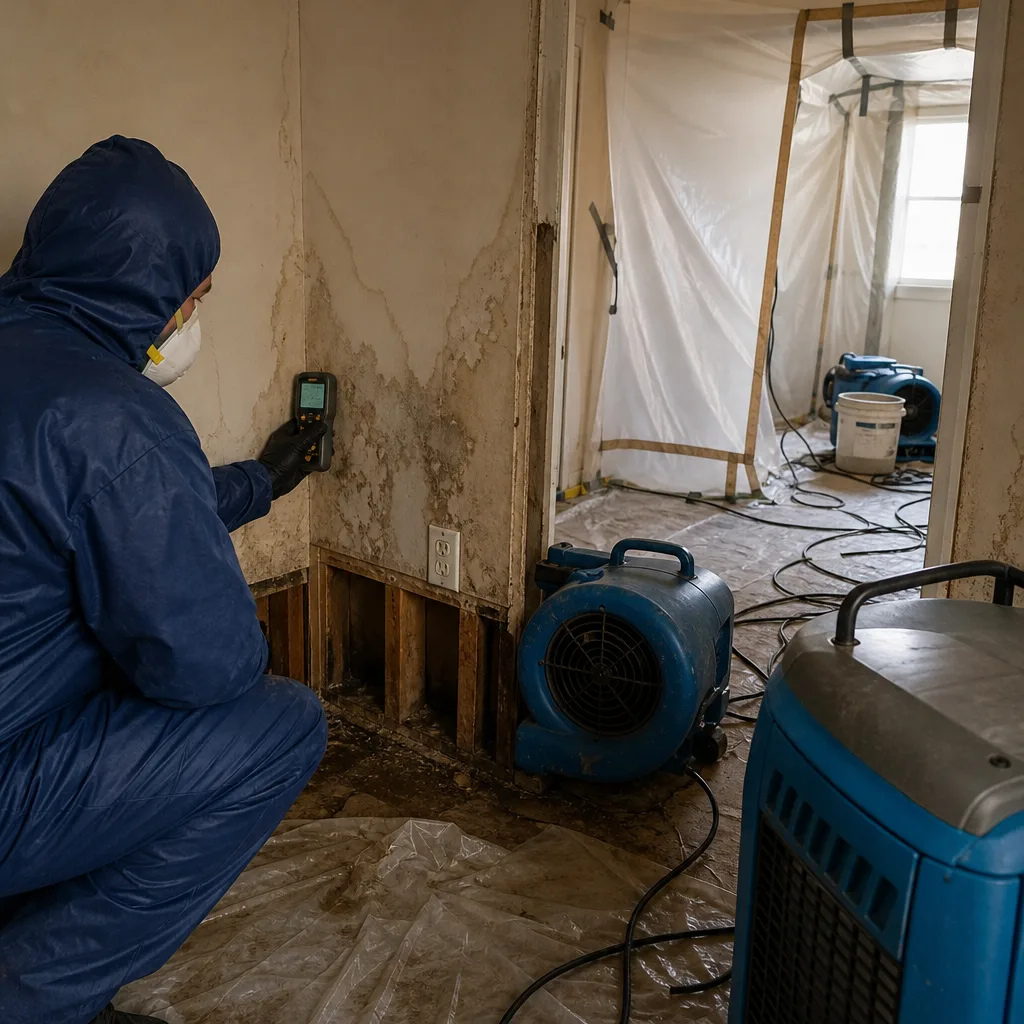 Before
 After
After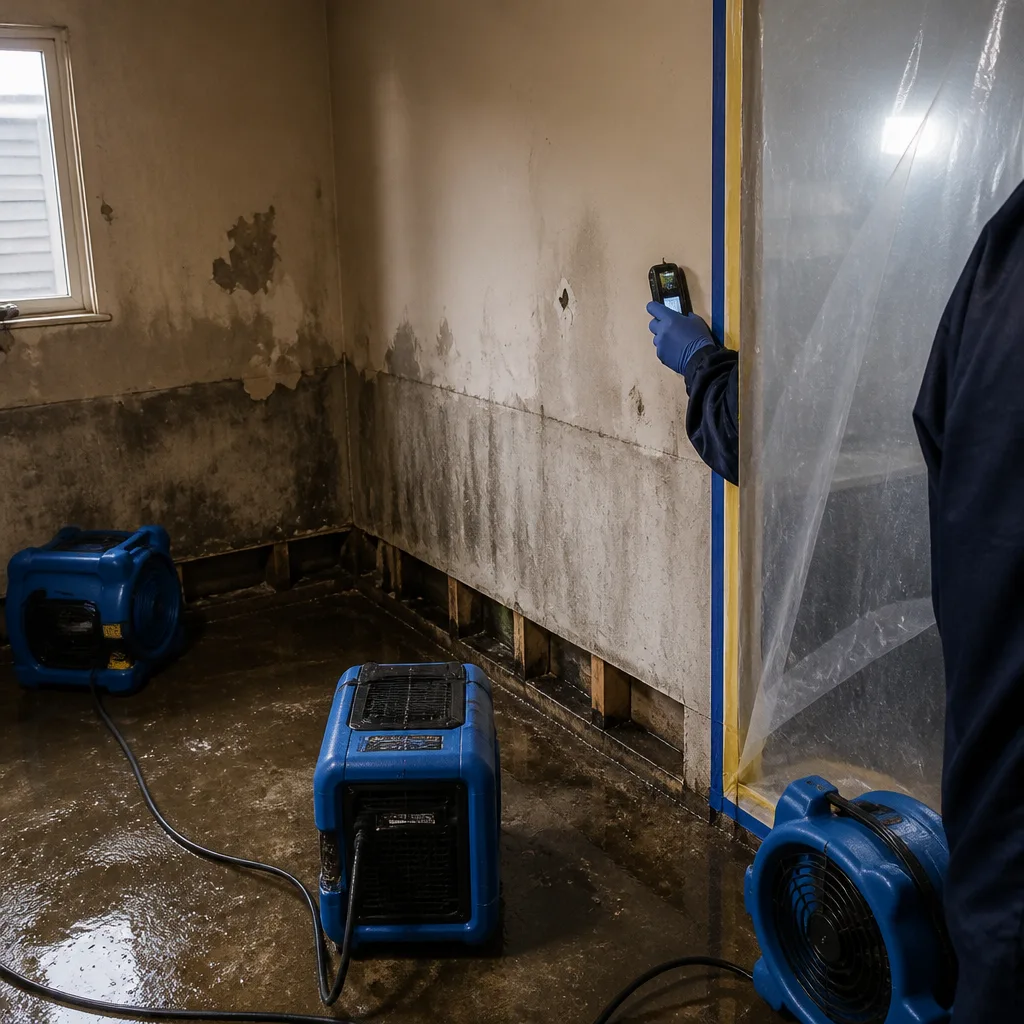 Before
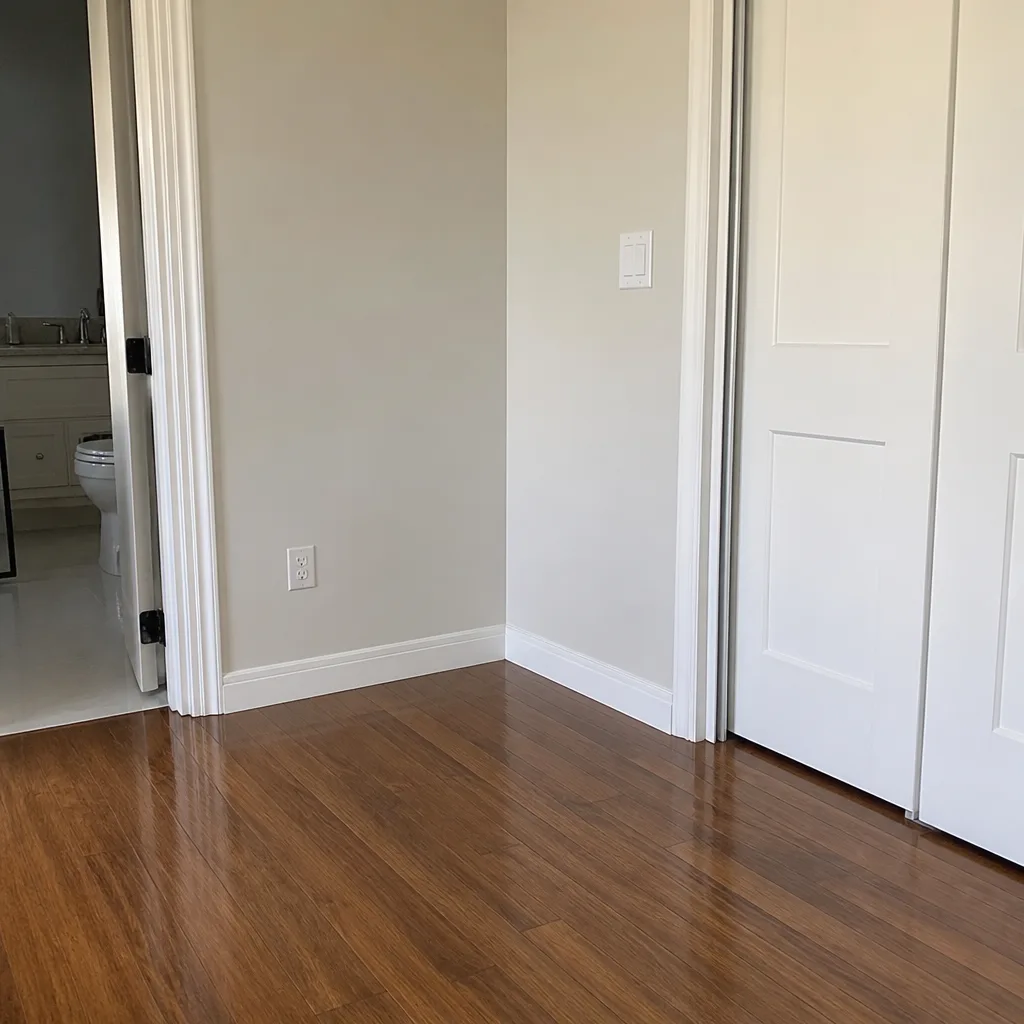 After
After