
Last updated October 16, 2026
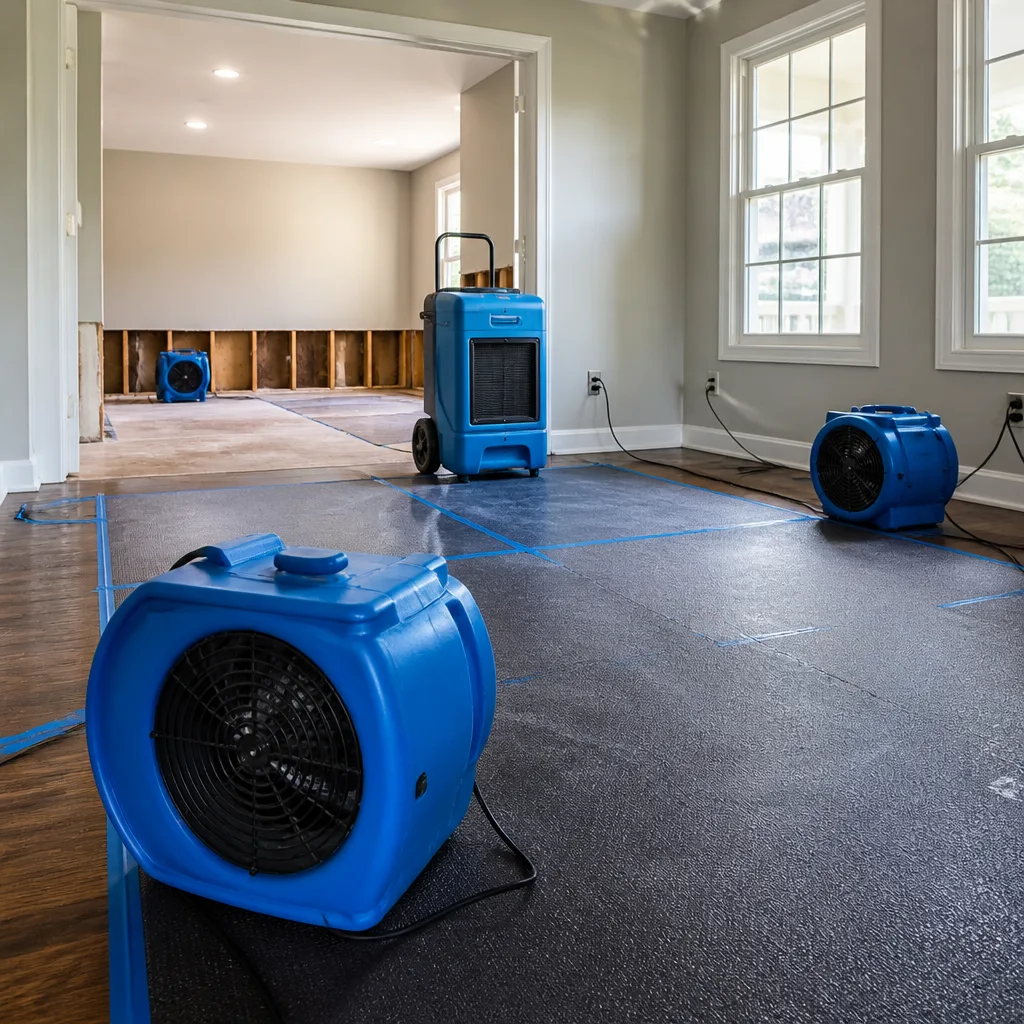 Water damage drying
 Fire & smoke cleanup
 Mold remediation
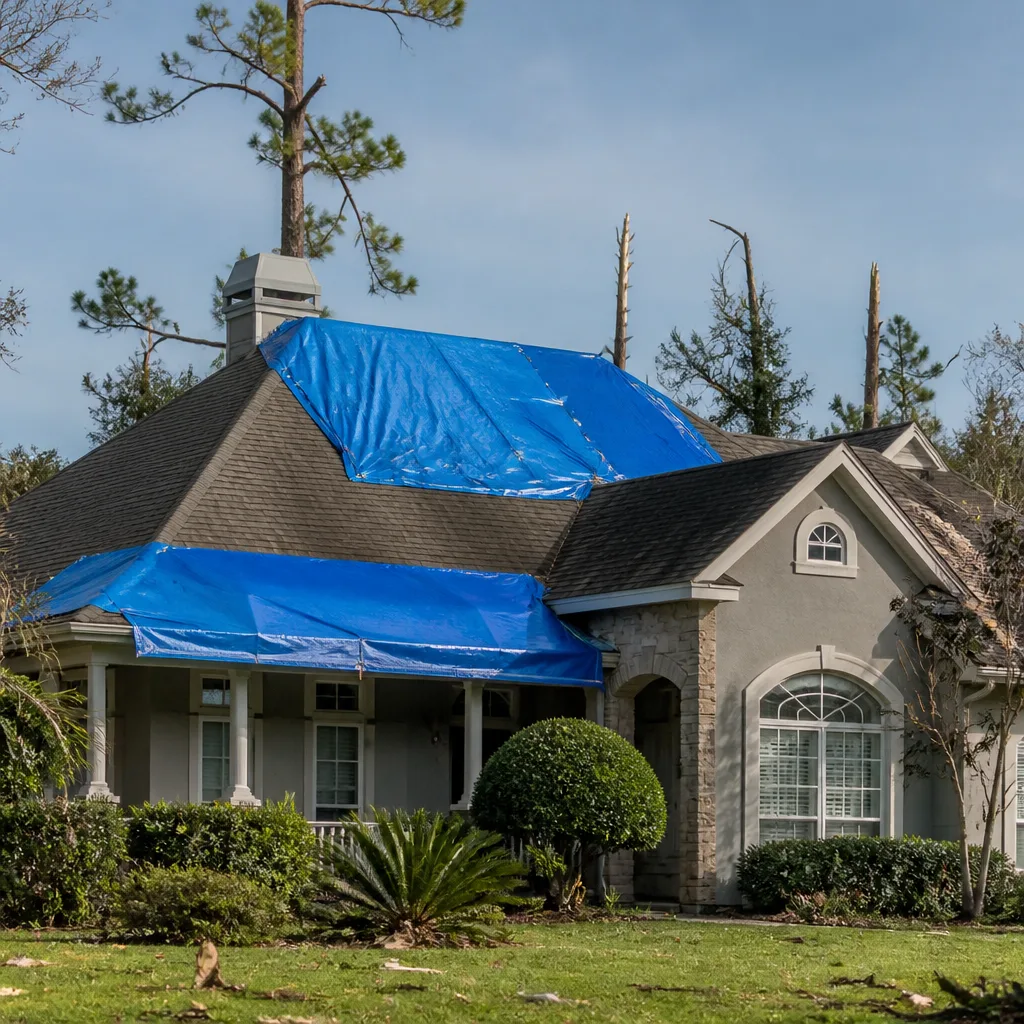 Storm response
 Sewage cleanup
 Reconstruction
Free visual inspection and a written scope of work before any mitigation begins - photos, moisture readings, and drying logs go in your claim file
The scope we write is the scope we bill. Anything new gets shown to you, in writing, before we touch it.
Get your free estimateDamage Restoration Cost Breakdown: The San Diego Homeowner’s Reference for 2026
Ask a contractor on the phone what water damage will cost to fix and you’ll usually hear a hedge. Drive through Clairemont or Rancho Peñasquitos and ask a neighbor what their final bill came to and you’ll get a different number every time. The gap exists because most San Diego restoration companies bundle an entire project into one lump figure, and that’s precisely where homeowners lose the ability to evaluate what they’re paying for. This guide publishes the actual line-item ranges for every major restoration task in the San Diego market: water, mold, fire, subfloor, crawlspace, and the numbers behind each category. By the time you finish reading, you’ll be able to look at any estimate and know whether it’s reasonable, padded, or missing something that will cost you later.
Quick Answer
Most water damage restoration projects in San Diego run between $2,000 and $8,500 depending on the size of the affected area and how long the water sat before mitigation began. Mold remediation typically lands between $1,500 and $6,000, while fire damage restoration rarely comes in under $4,000 and can exceed $25,000 for kitchen fires with smoke spread. You should receive a written, itemized estimate before any work starts; any contractor who refuses to provide one is asking you to sign a blank check.
Restoration work we handle
Table of Contents
- Why San Diego Costs Run 15 – 25% Above National Averages
- What a Legitimate Estimate Should Look Like: Line by Line
- Room-by-Room Cost Ranges for Common San Diego Jobs
- The Real Cost of Waiting: 24 Hours vs. 72 Hours vs. One Week
- How Insurance Reimbursement Works Against an Itemized Estimate
- Common Mistakes to Avoid
- Frequently Asked Questions
Why San Diego Costs Run 15 – 25% Above National Averages
If you’ve compared notes with a cousin in Phoenix or a sibling in Dallas, you’ve likely noticed something frustrating: the same water mitigation project costs noticeably more in San Diego. That gap is real, and it is not because local restoration companies are taking advantage of you. Three structural factors move the needle here.
First, the labor market. San Diego’s cost of living forces skilled tradespeople to charge more per hour than their counterparts in most of the country. A certified water damage technician in San Diego commands hourly rates that reflect the same housing and living pressures every homeowner here already understands. When a national cost guide says water extraction should cost $3.50 per square foot, that number often assumes labor rates from a much less expensive region.
Second, disposal fees. Demolition generates debris: drywall, carpet pad, baseboards, insulation, sometimes cabinetry. San Diego County landfill and transfer station fees have climbed steadily, and hauling a load of waterlogged construction waste across the county is not cheap. A kitchen tear-out that produces 500 pounds of debris in a low-fee market might cost $75 to dump; in San Diego, the same load can run $125 to $200 depending on the facility and weight.
Third, permits and code compliance. Some restoration projects require city permits, particularly when structural repairs are involved. The city of San Diego’s Development Services Department charges fees that, while not outrageous, stack on top of the labor and disposal costs. Add in the region’s stricter moisture-control building standards and you have a recipe for costs that published national “average” figures simply don’t capture.
What this means in practice: when you see a national average, add roughly 15 – 25% for a realistic San Diego baseline. A job published at $4,000 nationally is probably $4,600 to $5,000 here. That is not price-gouging; it is the cost of doing honest work in a high-cost coastal city.
What a Legitimate Estimate Should Look Like: Line by Line
The average San Diego homeowner receives a restoration estimate in a single lump sum with no line items. That is the functional equivalent of a mechanic handing you a bill that says “car fixed: $4,200.” You’d never accept that from an auto shop. Why accept it from a restoration contractor?
A legitimate, professional restoration estimate breaks into three categories. Here is what each one should contain, and the rough percentage each typically represents of a well-priced San Diego job.
Equipment (20 – 30% of total)
This line covers commercial drying equipment rental and operation: air movers, dehumidifiers, extraction units, HEPA air scrubbers, and moisture sensors. In San Diego, where coastal humidity can slow evaporation in neighborhoods like Point Loma and Ocean Beach, drying equipment often has to run longer than it would in a dry inland market like Poway or Santee. The equipment itself matters. Professional-grade machines from manufacturers like Dri-Eaz and Phoenix include onboard sensors and datalogging that basic rental units from a big-box store simply don’t have. That equipment cost should be a separate, clearly labeled line on your estimate.
Labor (40 – 50% of total)
This covers the actual work: water extraction, controlled demolition, structural drying setup, monitoring visits, and final cleanup. In a San Diego market where a certified IICRC-aligned technician’s time carries a real hourly cost, labor is typically the largest single line. A properly itemized labor estimate should tell you how many technician-hours are projected and what the hourly rate is. If an estimate lumps labor into a single “mitigation services” line with no hours and no rate, ask for the breakdown. You are entitled to it.
Materials and Disposal (20 – 30% of total)
This covers replacement materials (drywall, insulation, carpet pad, baseboards, paint, sealant) and haul-off fees. In San Diego, disposal costs can surprise you, especially for projects requiring multiple trips or specialized handling for asbestos-containing materials in older homes built before 1980, common in neighborhoods like North Park, South Park, and Mission Hills.
The ratio matters. A job where equipment and labor together consume 50% of the total usually means the estimate is missing something or that replacement work was underestimated. Conversely, if materials and disposal consume more than 40% on a straightforward water damage job, the materials line may be padded with items you don’t actually need.
Room-by-Room Cost Ranges for Common San Diego Jobs
Here are the real numbers for the jobs we see most often in San Diego, and what pushes each one toward the top of its range. These figures reflect the San Diego market specifically: local labor rates, local disposal fees, and the moisture conditions that come with living in a coastal Mediterranean climate where an ocean breeze carries salt and humidity into every open window.
Bathroom Water Damage: $1,800 – $6,500
Bathrooms are ground zero for water damage in San Diego homes, whether it’s a failed wax ring under a toilet in a Chula Vista condo, a cracked supply line in a La Mesa rental, or a leaking shower pan in a Carlsbad custom home. The low end ($1,800 – $2,500) typically covers a small leak caught early: extraction, drying, minor drywall replacement, and paint. The high end ($5,000 – $6,500) usually involves tile removal, subfloor repair, and possibly cabinet or vanity replacement. What drives cost to the high end: if water reached the subfloor and the tile has to come up to dry the framing beneath, labor hours double. If mold is present behind the tile, you’re now in remediation territory, which adds $800 – $1,500 to the total. See our Damage Restoration Warning Signs: A San Diego Homeowner’s Reference Guide for early indicators.
Kitchen Subfloor Replacement: $2,200 – $7,000
A dishwasher leak behind the toe kick in a Scripps Ranch kitchen or a refrigerator supply line failure in an El Cajon townhome can sit unnoticed for weeks, silently destroying the subfloor. By the time a homeowner notices the warped flooring or catches the musty smell, the damage is done. Replacing a kitchen subfloor involves removing the finished flooring and the damaged plywood or OSB beneath, then laying new material before reinstalling the finished floor. High-end pricing comes from continuous flooring runs (a wood floor that extends into the dining room without a threshold), custom cabinetry that has to come out to access the subfloor beneath, and any floor repair that requires structural sistering. The San Diego-specific factor: many homes have a crawlspace beneath the kitchen, which is actually good news for drying access but bad news for labor, since technicians have to work in a confined space to address moisture from below.
Crawlspace Mold Remediation: $1,500 – $4,500
Crawlspace mold is a fact of life in San Diego’s coastal zones, where fog and marine air keep relative humidity high from Point Loma through Coronado and up into Encinitas. Mold in a crawlspace typically develops because ventilation is inadequate and moisture from the soil rises into the wooden framing above. Remediation involves removing affected insulation, treating the structural wood with EPA-registered antimicrobials, drying the space, and often installing a vapor barrier to prevent recurrence. The high end of the range reflects extensive fungal growth across multiple joists, requiring aggressive sanding or media blasting plus full insulation replacement. Low-end jobs are small, contained, and caught by a home inspector during a sale. For a deeper dive on this topic, see our full guide on Mold Remediation in San Diego.
Whole-House Water Damage from a Supply Line Burst: $6,000 – $18,000
A burst supply line behind a washing machine in a San Diego tract home can release up to 8 gallons per minute. In an hour, that’s 480 gallons across your floors, up your drywall, and down your registers. These are the projects where speed matters most, and they’re the ones where an itemized estimate is most critical because the scope is large. A whole-house mitigation includes extraction, demolition of saturated materials, structural drying with professional equipment, and reconstruction of everything that was removed. The spread between $6,000 and $18,000 depends almost entirely on square footage and how far the water traveled before the shutoff valve was closed. See Water Damage Restoration in San Diego for the full mitigation process explained step by step.
Fire Damage Restoration (Kitchen, Small): $4,800 – $14,000
A small kitchen fire in a single-family home in Mira Mesa or Tierrasanta, even one contained quickly, produces a mess that has to be experienced to be believed. Soot covers every surface within reach of the smoke; it gets into cabinets, ductwork, paint, and clothing. Restoration involves soot removal from every surface, deodorization, possible refinishing or repainting, and often replacement of the affected appliances and drywall. The high end reflects structural charring on framing that requires reinforcement or replacement. The full process, including how we coordinate with your insurance carrier, is covered in Fire Damage Restoration in San Diego.
Ceiling Water Damage and Repair: $900 – $4,200
A water spot grows on the ceiling below a second-floor bathroom in a University City home, or under a roof leak in a Coronado cottage. The fix involves cutting out the damaged drywall, drying the cavity, patching, texturing, and painting. The low end assumes a small, contained patch. The high end is a larger area (10+ square feet), possible insulation replacement, and any issue with the roof or plumbing above that must be addressed before the ceiling can be patched. In San Diego’s older housing stock, built between the 1940s and 1970s, the presence of textured ceilings can make matching a patch more labor-intensive.
The Real Cost of Waiting: 24 Hours vs. 72 Hours vs. One Week
Water damage has a compounding cost curve. Every hour water sits in contact with drywall, wood, and flooring, the damage deepens. This is not a sales pitch; it is a physical process. Here is what waiting costs in concrete dollar terms, based on mitigation projects in the San Diego market.
- Within 24 hours: Water is largely contained to the immediate spill area. Drywall wicks moisture upward a few inches. Carpet pad is wet but the subfloor beneath may still be dry. A professional mitigation with extraction, targeted drying, and minimal demolition typically runs $2,000 – $5,000 depending on the area affected. Most repairs are complete in 3 – 5 days.
- At 72 hours: Water has migrated along floor cavities, under walls, and up drywall by a foot or more. Carpet pad is saturated and adhesive may have failed. Mold spores, which exist in every San Diego home, will begin colonizing on damp organic materials. The project now includes mold prevention work, larger demolition areas, and possibly subfloor drying. Costs jump to $5,000 – $9,000. Repair time extends to 1 – 2 weeks.
- One week or longer: Structural wood has been wet for seven days. Framing may show measurable swelling or warping. Mold is often visible. The project is no longer water mitigation; it is water plus mold remediation. Costs routinely hit $9,000 – $15,000 or more. Some materials that could have been saved are now beyond restoration. Reconstruction is often required rather than a repair.
In San Diego’s mild, humid coastal climate, this curve accelerates. Our maritime air holds moisture already, so wet building materials dry more slowly than they would in the desert. That extra drying time is extra opportunity for microbial growth. The most expensive line item on any restoration estimate is the one that says “delay.”
How Insurance Reimbursement Works Against an Itemized Estimate
Insurance is almost always in the room, even when it is never spoken aloud. A burst pipe, a supply line failure, or a roof leak in a San Diego home is typically a covered peril under most homeowners policies. Here is how the process works and why an itemized estimate is the single strongest tool you have when dealing with an adjuster.
Your insurance company will, at some point, review the restoration contractor’s estimate. An itemized estimate with clear line items, per-square-foot pricing, and separated equipment, labor, and material costs gives the adjuster something to approve line by line. A lump-sum estimate gives them something to question wholesale. Most adjusters will challenge the entire number if they can’t see what’s inside it.
The line items adjusters most commonly dispute:
- Equipment days. An adjuster may argue that five days of drying was excessive and approve three. A documented drying log from a professional contractor, showing daily moisture readings taken with calibrated equipment, is what defends those days. This is one reason we write price before work starts and document every reading on every day.
- Demolition scope. If drywall was removed to 24 inches but the water line only reached 12 inches, an adjuster will trim the line. Accurate initial documentation and photographs at the start of the project prevent this.
- Materials markup. Some contractors include a markup on materials. It is not inherently dishonest, but it must be disclosed. An itemized estimate that shows materials at cost with a separate, visible margin is easier to get approved than a lump sum that hides the same markup.
- Mold remediation. Adjusters frequently push back on mold-related line items, arguing it should have been prevented or that the homeowner waited too long. A itemized estimate that shows mold remediation as a separate, clearly scoped line with associated drying records is much harder to dispute than a lump sum that just says “mitigation.”
Our team knows how to write a scope and estimate that holds up under adjuster scrutiny. We also coordinate directly with your carrier, provide photo documentation of every stage, and can handle the adjuster calls on your behalf. For a deeper look at our full process, start with our San Diego restoration home page.
Common Mistakes to Avoid
- Accepting a verbal estimate. In San Diego, a verbal quote is not worth the air it was spoken into. If a contractor won’t put the number in writing, they’re leaving room for the number to change at the door. Always insist on a written price before any work starts.
- Signing a work authorization that is also a blank check. Some authorization forms include language allowing the contractor to bill whatever they deem necessary. Read what you are signing. Our work authorizations include a fixed, written price.
- Waiting to “see if it dries on its own.” It won’t. In San Diego’s coastal humidity, trapped moisture doesn’t evaporate quickly enough to prevent mold growth. The longer you wait, the more expensive the project becomes, as the cost curve above makes clear.
- Using a contractor who is not IICRC-aligned. The IICRC (Institute of Inspection, Cleaning and Restoration Certification) is the restoration industry’s recognized standard-setting body. A contractor who cannot name the standards they follow is likely not following any. We train to IICRC, RIA, and IFA standards.
- Believing a national cost guide without a San Diego adjustment. That $3,000 national average for a bathroom water damage project is probably $3,600 to $3,800 in San Diego, and more in coastal zones. If someone quotes you below the national average, ask what they’re cutting.
- Not understanding your deductible before the emergency. Your homeowners policy has a deductible. Knowing it in advance helps you make faster decisions when water is actively spreading. A $2,500 deductible on a $6,000 mitigation project changes the math.
- Overlooking the crawlspace because it’s out of sight. In many San Diego homes, water travels down and under the floor before you ever see it. If you’ve had a leak, have the crawlspace checked. It is cheaper to check than to remediate mold six months later.
Frequently Asked Questions
Water damage restoration in San Diego typically costs between $2,000 and $8,500, with bathroom projects landing at $1,800 – $6,500 and whole-house supply line failures at $6,000 – $18,000. The final number depends on the size of the affected area, how long the water sat, and whether mold is present. Call (619) 453-0410 for a free estimate with a written price before any work starts.
Most San Diego homeowners policies cover sudden and accidental water damage, such as a burst pipe or supply line failure, but not gradual leaks or long-term maintenance issues. An itemized estimate from a restoration contractor is the strongest tool you have when your adjuster reviews the claim. We coordinate directly with your insurance carrier and provide photo documentation at every stage.
A live person answers our phones 24 hours a day, 7 days a week, and we give you a named arrival window when you call. In San Diego, same-day dispatch is available for active water emergencies. The faster we arrive, the less total damage you have; call (619) 453-0410 and you’ll speak to a person, not a recording.
If water has penetrated drywall, flooring, or the subfloor, a surface cleaning will not address the moisture trapped inside, and mold will follow. In San Diego’s coastal humidity, a “cleaning” when the structure is wet is a bandage on a broken bone. A professional assessment with moisture meters tells you definitively whether the wall cavity is dry; if it isn’t, you need extraction and structural drying.
We do. Our team communicates directly with your insurance adjuster, provides them the itemized estimate and daily drying documentation, and can advocate for the full scope of necessary work. You don’t have to be the middleman between your contractor and your carrier while also dealing with a flooded house.
On a well-priced San Diego water mitigation job, equipment typically runs 20 – 30% of the total, labor 40 – 50%, and materials plus disposal 20 – 30%. If equipment is less than 15%, the contractor may be under-using professional-grade machines, which will extend drying time. If labor exceeds 60%, ask why the project is taking so many technician-hours.
The Bottom Line
San Diego restoration costs run 15 – 25% above national averages for real reasons: labor, disposal, and the region’s unique coastal moisture profile. A legitimate estimate is itemized, with equipment, labor, and materials separated, and a well-priced job follows the 20 – 30% equipment, 40 – 50% labor, 20 – 30% materials split. Water damage compounds quickly: the difference between acting at 24 hours and waiting a week is thousands of dollars. Insurance adjusters dispute vague estimates; itemized ones get approved. And the strongest protection any San Diego homeowner has against a contractor who no-shows, lowballs, or disappears is to demand a written price before the work begins and a written guarantee that survives the project. That is how we’ve operated since 2005: say the price before the work, show up in the window we gave, leave the place cleaner than we found it, put the guarantee in writing, and come back if it fails. If you’re looking at water, mold, or fire damage in San Diego right now, call (619) 453-0410 for a free, written estimate. A live person answers, day or night.
Written by Carl Brandt, Owner at Dryden Restoration San Diego, serving San Diego since 2005.
See the difference
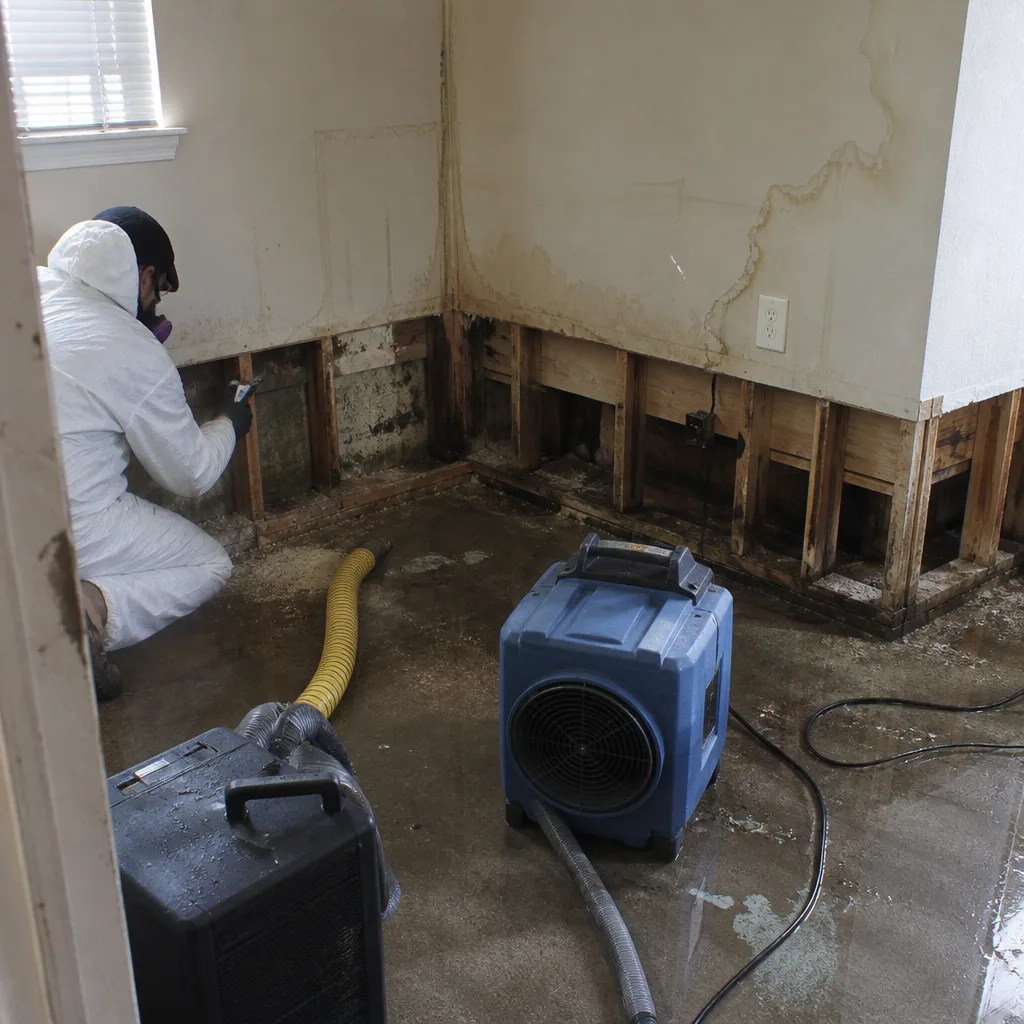 Before
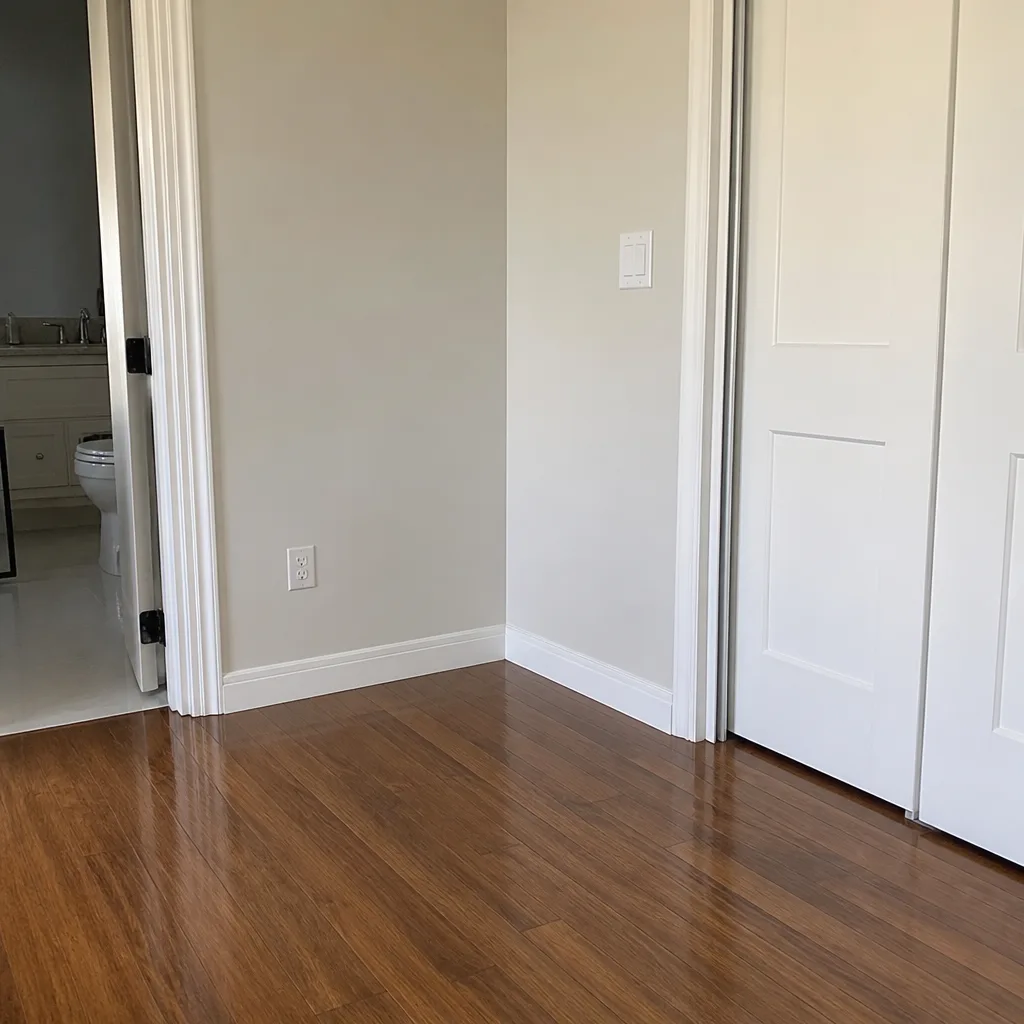
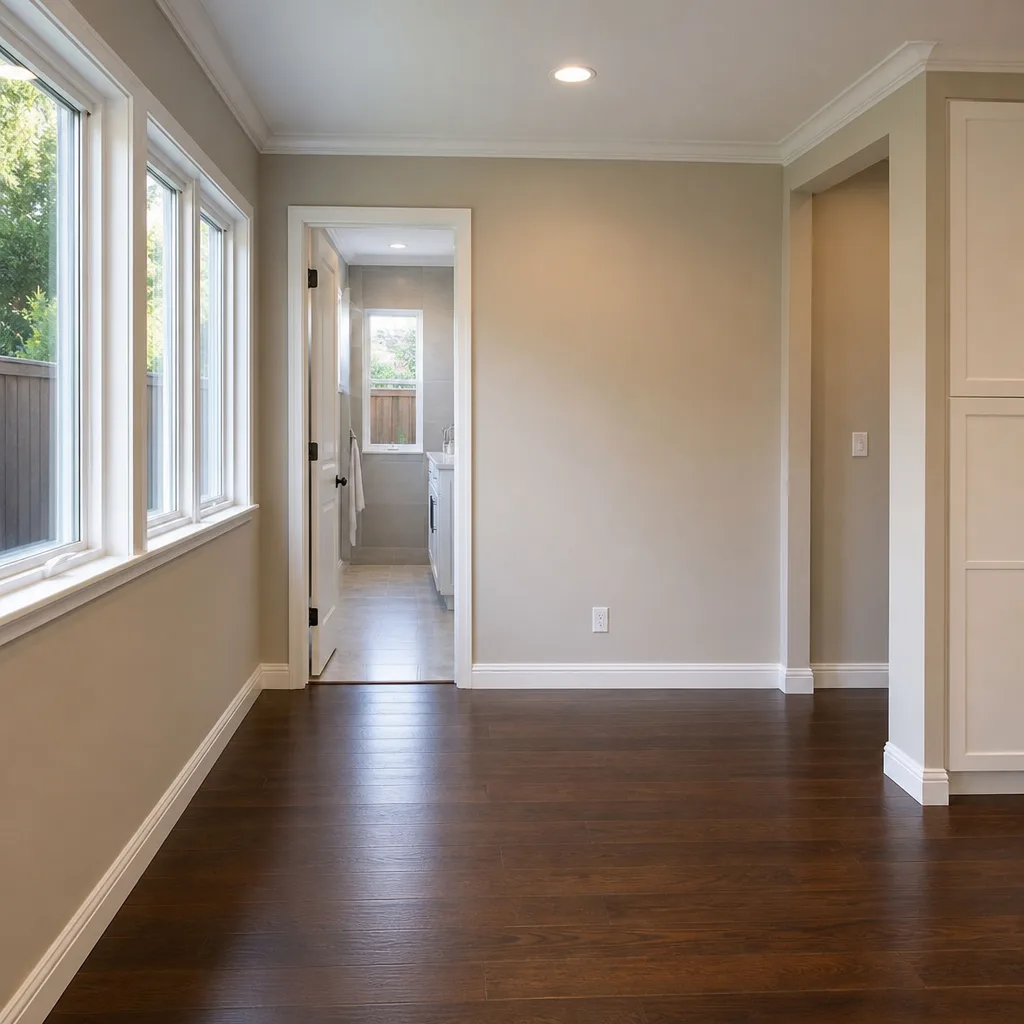 After
After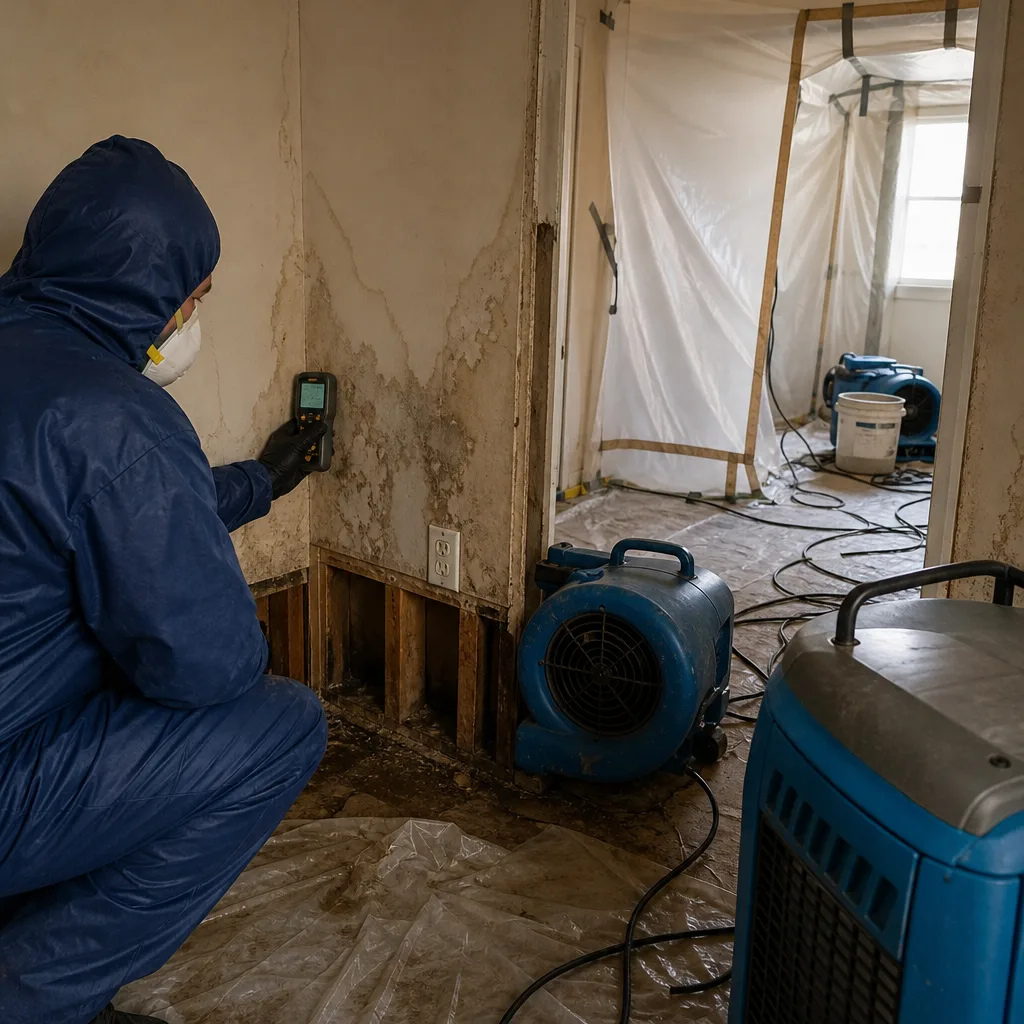 Before
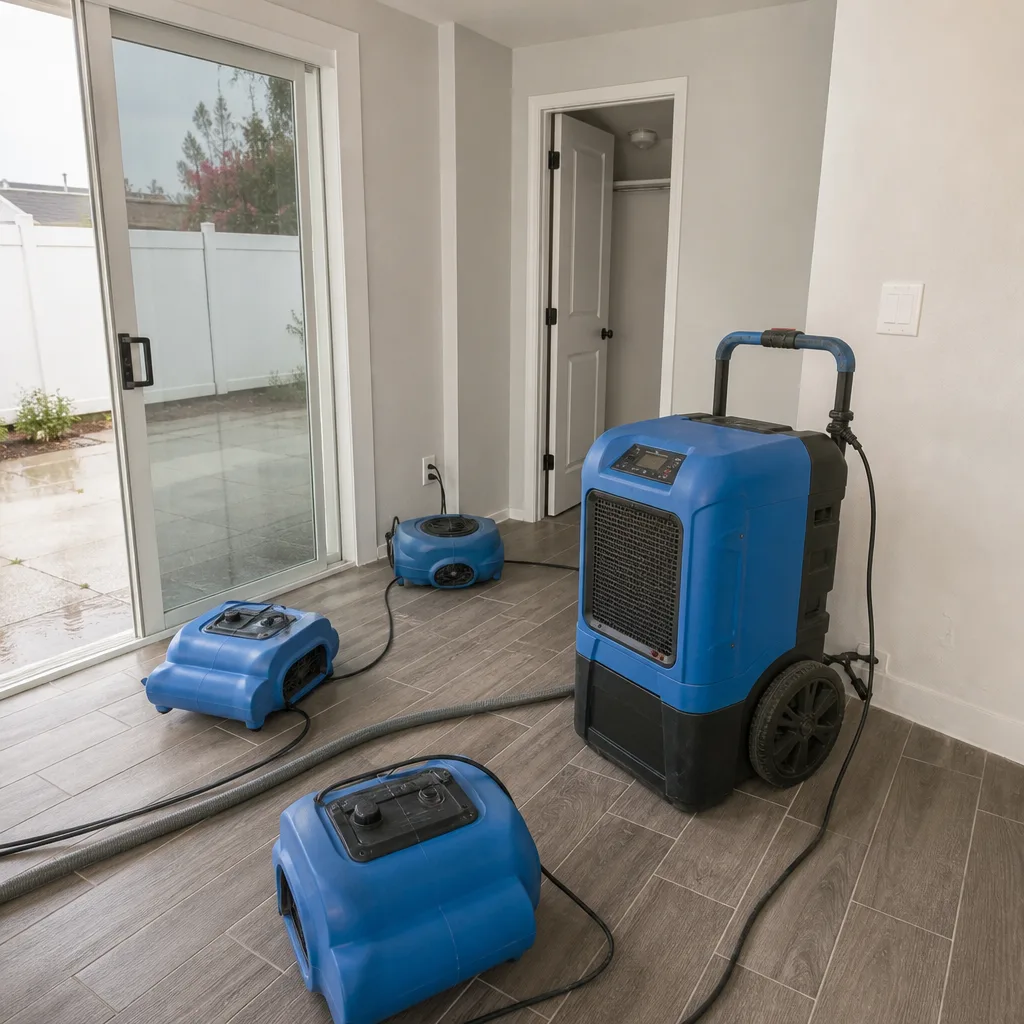 After
After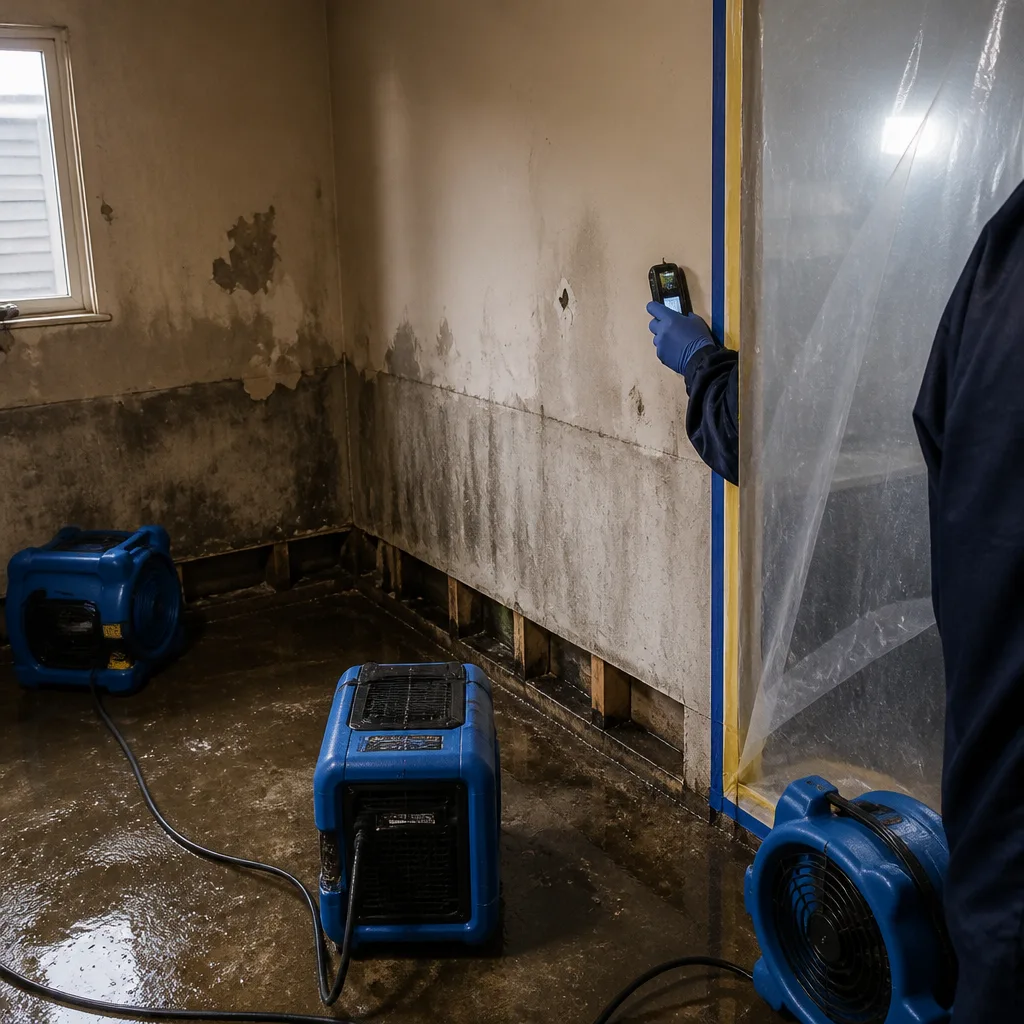 Before
 After
After