
Last updated October 16, 2026
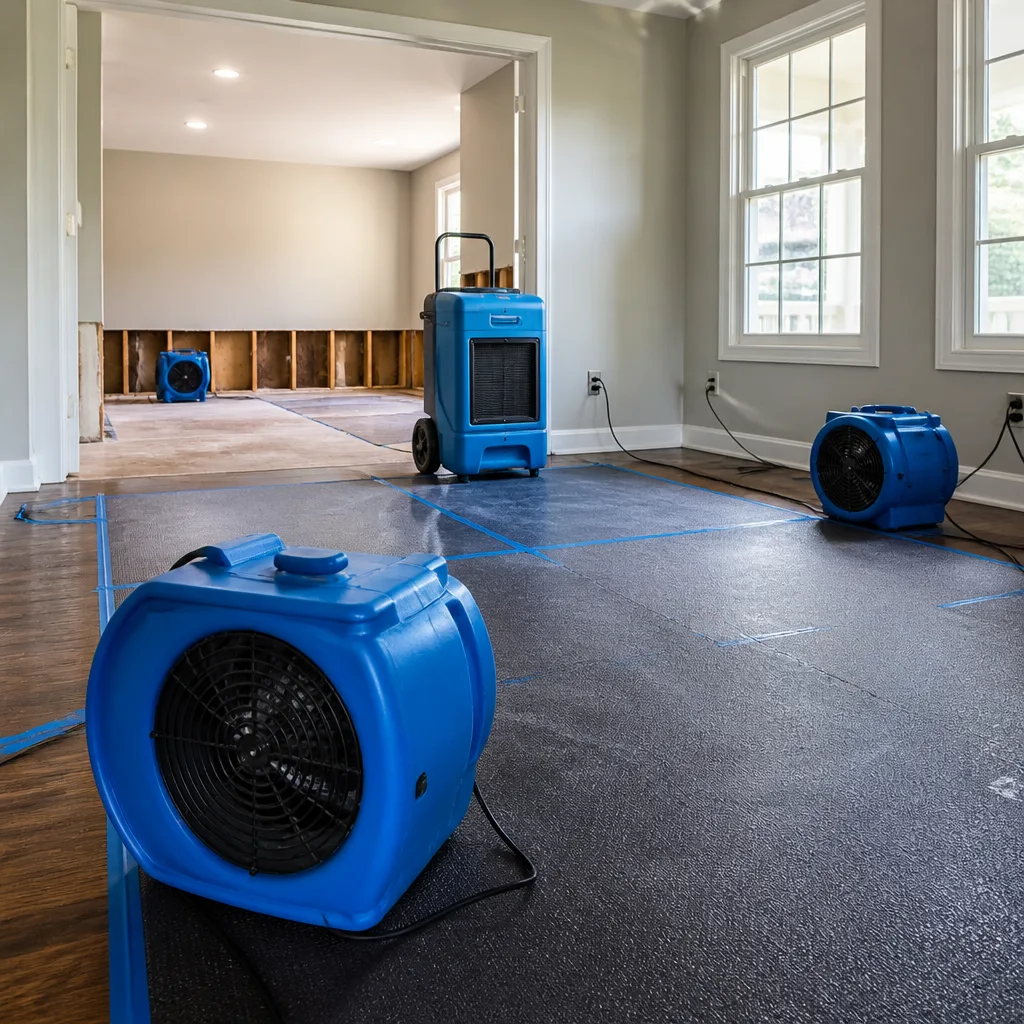 Water damage drying
 Fire & smoke cleanup
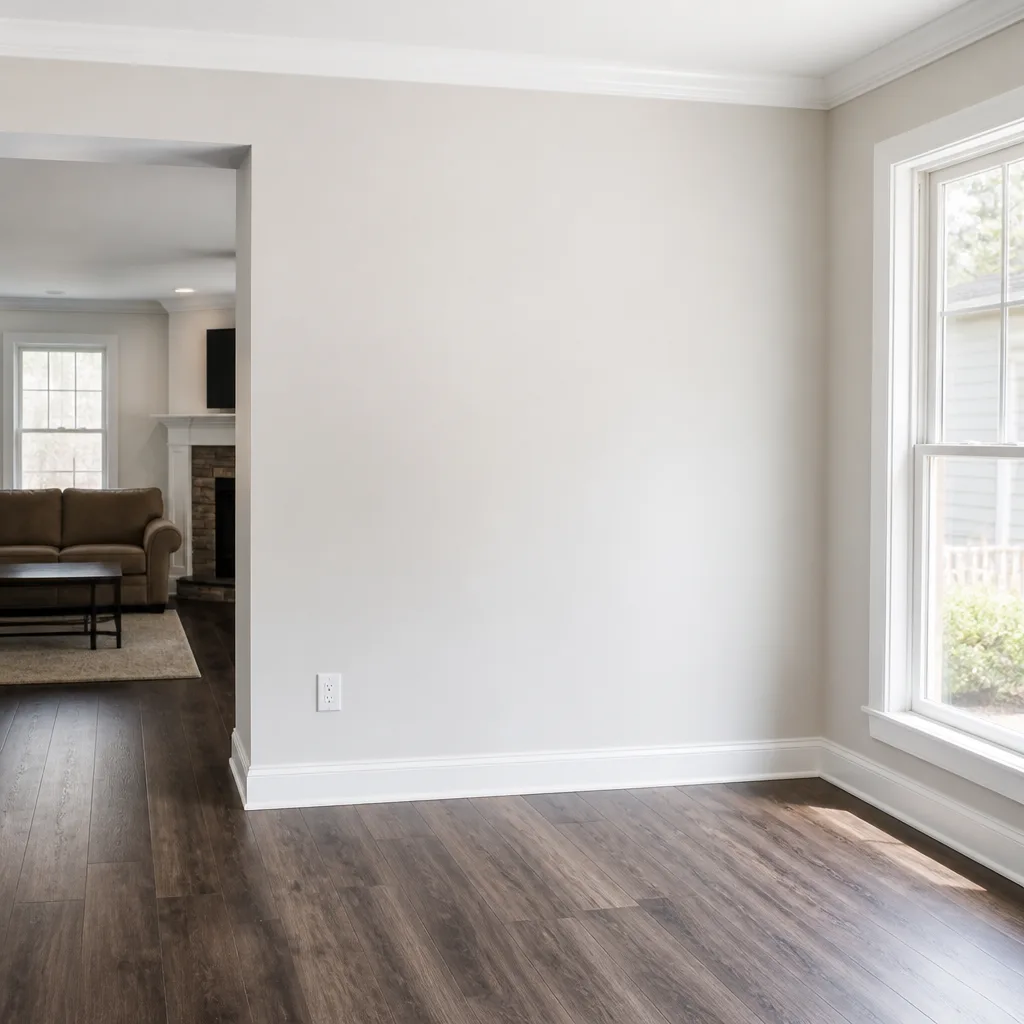 Mold remediation
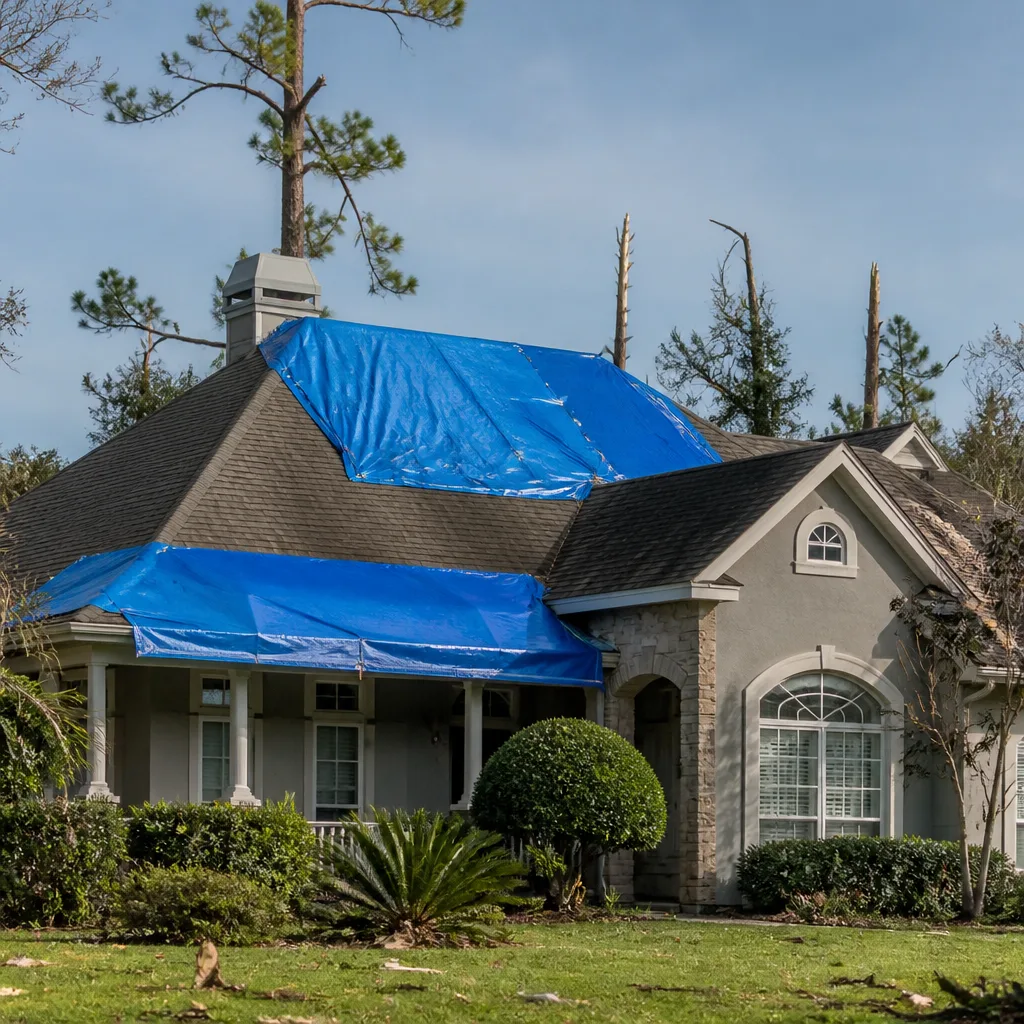 Storm response
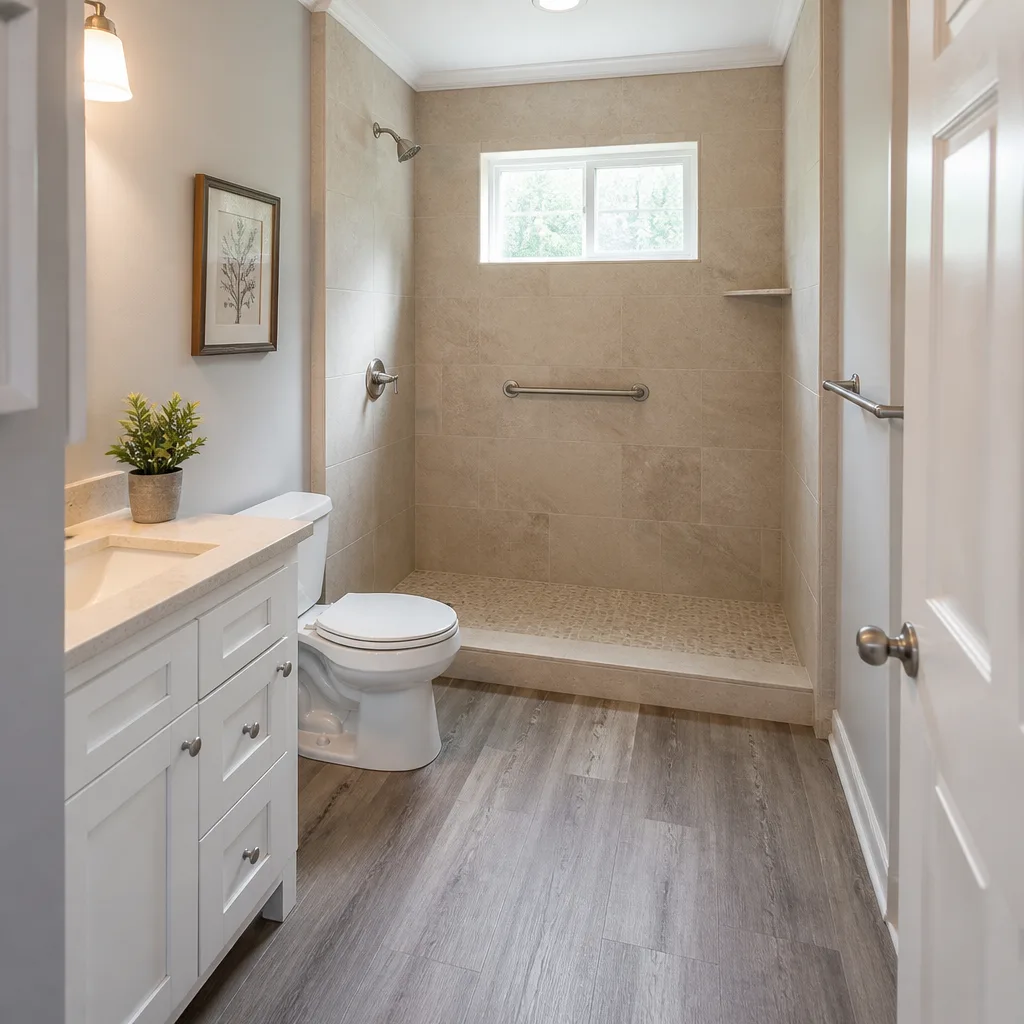 Sewage cleanup
 Reconstruction
Free visual inspection and a written scope of work before any mitigation begins - photos, moisture readings, and drying logs go in your claim file
The scope we write is the scope we bill. Anything new gets shown to you, in writing, before we touch it.
Get your free estimateThe Complete Guide to Damage Restoration in San Diego
A wet wall that feels dry to the touch can still hold 30% moisture, enough to grow mold inside 48 hours. Most San Diego homeowners find out too late because they trusted what they could see. This guide maps every stage of water, fire, and mold damage so you understand what’s happening inside your walls, what it costs at each stage, and where the real leverage points are. For a deeper look at pricing specifics, see our Damage Restoration Cost Breakdown: The San Diego Homeowner’s Reference for 2026. You’ll learn the sequence damage follows, why San Diego’s coastal climate and clay soil make this city different from everywhere else, and the three billing categories contractors blur together that cost homeowners thousands. By the end, you’ll know exactly what a complete restoration job should include, from first call to final walkthrough.
Quick Answer
Damage restoration in San Diego is a three-phase process: mitigation (stop the damage from spreading), remediation (remove contaminated material and treat the source), and restoration (rebuild what was removed). If you’re unsure which phase your home may need, our Damage Restoration Warning Signs: A San Diego Homeowner’s Reference Guide can help you assess early. Most San Diego homeowners pay between $2,500 and $18,000 depending on how early the problem is caught, with water damage from a burst pipe in a slab foundation running toward the higher end due to the city’s clay-heavy soil and slab-on-grade construction. The single biggest cost driver is time: a problem caught in the first 24 hours typically costs a fraction of one caught at day five.
Restoration work we handle
Table of Contents
- The Damage Sequence: What Happens at 24 Hours, 72 Hours, and One Week
- Why San Diego Is Different: Clay Soil, Slab Foundations, and Coastal Humidity
- Mitigation vs. Remediation vs. Restoration: Three Billing Categories That Get Blurred
- Water Damage in San Diego: How It Moves Through a Slab Home
- Mold: The Clock Is Always Running
- Fire Damage: What Survives the Flames and What the Water Kills
- What a Complete Job Looks Like: From First Call to Final Walkthrough
- Working With Your Insurance Adjuster: The Documentation That Actually Matters
The Damage Sequence: What Happens at 24 Hours, 72 Hours, and One Week
Damage does not sit still. Water, fire residue, and mold follow a predictable progression, and each stage carries a different price tag. Understanding where you are in that sequence tells you how urgent the problem is and what a fair repair should cost.
At 24 Hours
Water has moved through porous materials: drywall wicks moisture upward from the base, wood framing begins to swell, and laminate flooring starts delaminating at the seams. If the water came from a clean source, like a supply line, the materials are wet but not yet contaminated. Drying at this stage typically takes three to four days with professional equipment, and most surfaces can be saved. A typical response at this stage runs $2,500 to $5,000 in San Diego for a single-room water event.
At 72 Hours
The damage has now entered what restoration professionals call the “amplification phase.” Mold spores, which are present in every San Diego home, have found enough moisture to germinate. The drywall’s paper backing is feeding that growth, even if the visible surface looks fine. Wood framing has absorbed enough water to risk warping. What started as a drying job has become a mold remediation job. Cost range at this stage: $6,000 to $15,000, because now you’re removing material, not just drying it.
At One Week
The damage has moved from materials into structure. Wood studs and sill plates are saturated and likely supporting active mold colonies. In a slab foundation, moisture has migrated laterally under the concrete, which means the visible damage upstairs is only part of the picture. Flooring, baseboards, and lower drywall cuts are no longer salvageable in most cases. This is the stage where a $4,000 response becomes a $25,000 to $45,000 gut-and-rebuild. We’ve walked into Clairemont and Mission Valley homes at day seven where the homeowner had been told it was “just a little wet” and would “dry on its own.” It never dries on its own in San Diego, and we’ll get into why below.
Stopping this sequence at the right stage is what separates a repair from a rebuild. The earlier you call, the more optionality you have. That’s the entire game.
Why San Diego Is Different: Clay Soil, Slab Foundations, and Coastal Humidity
San Diego’s damage restoration playbook does not look like Phoenix’s or Dallas’s. Three local factors change how water and moisture behave in our homes, and most national guides ignore all three.
Clay-Heavy Soil and Slab-on-Grade Construction
Most San Diego homes built after 1960 sit on concrete slab foundations, not raised crawlspaces. That slab rests on expansive clay soil, the same soil that gives San Diego its famous shifting and cracking during dry spells. When a pipe bursts under a slab, that clay absorbs and holds water far longer than the sandy soils found in other parts of the country. The water doesn’t just pool; it migrates laterally beneath the concrete, spreading the affected area well beyond the visible wet spot. In our experience serving San Diego since 2005, slab leaks in neighborhoods like Clairemont, Tierrasanta, and Rancho Peñasquitos routinely require checking 30 to 50 percent more floor area than the homeowner initially flagged, because the water traveled under the slab before surfacing.
Coastal Humidity Slows the Drying Phase
Beach neighborhoods like Ocean Beach, Pacific Beach, La Jolla, and Coronado average 70 to 75 percent relative humidity through much of the year. Professional drying works by creating a vapor pressure differential: dry air pulls moisture out of wet materials. When the outside air is already saturated, that differential shrinks, and drying takes longer. A water event that might dry in three days in El Cajon can take five or six in Point Loma. This is why a restoration company that quotes standard drying times from a national playbook will underbid the job and then either cut corners or hit you with a change order. The honest answer is that coastal San Diego jobs need more drying days, and that should be in the estimate from the start.
Microclimates Mean Two Different Playbooks in One City
San Diego is not one climate; it’s at least four. Coastal zones run humid and cool. Inland valleys like Santee and Lakeside run hot and dry. Mountain areas like Julian and Pine Valley run cold enough in winter to slow evaporation. Each zone changes the drying math. A restoration company that knows San Diego knows which playbook applies to your ZIP code. One that doesn’t will treat every house the same way and wonder why the moisture readings won’t come down.
Mitigation vs. Remediation vs. Restoration: Three Billing Categories That Get Blurred
Insurance adjusters use three distinct terms: mitigation, remediation, and restoration. They are separate billing categories with separate scopes, and when a contractor blurs them together, the homeowner pays for the confusion. Here’s what each one actually means.
Mitigation: Stop the Bleeding
Mitigation is emergency response. It means stopping the water source, extracting standing water, removing unsalvageable wet materials like carpet pad or drywall that’s already crumbling, and setting up drying equipment. The goal is to prevent further damage. Mitigation typically happens in the first 24 to 72 hours. In San Diego, mitigation on a single-room water event usually runs $1,500 to $4,000. This is the phase where speed matters most, and where a same-day response genuinely changes the outcome.
Remediation: Remove the Contamination
Remediation means removing hazardous material. For mold, that’s the physical removal of colonized drywall, framing treatment, and HEPA air scrubbing. For fire, that’s removing soot-damaged materials, cleaning smoke residue from surfaces, and addressing water damage from fire suppression. Remediation is more involved than mitigation and carries higher costs, typically $3,000 to $15,000 in San Diego depending on the size of the affected area. This is the phase where certifications matter: IICRC standards govern how containment is built, how air scrubbers are placed, and how removed material is bagged and disposed.
Restoration: Put It Back
Restoration is the rebuild. New drywall, paint, flooring, trim, and any structural repairs. This is the phase that most resembles a remodel, and it’s priced like one. Restoration typically runs $4,000 to $25,000 or more, depending on the finishes and square footage. This phase is not an emergency; it’s scheduled work that happens after the affected area is dry and contamination-free.
The blur happens when a contractor quotes you a “mitigation” price but the work they’re describing includes remediation and restoration scope. Or when a company’s “restoration department” starts pulling wet drywall without proper containment, leaving mold spores in your HVAC system, and then bills it as a finished job. The fix is simple: get a written scope that separates the three categories with a line-item price for each. If a contractor won’t do that, walk away. Every job we perform in San Diego includes a written price before work starts, with mitigation, remediation, and restoration as separate line items. That’s not a courtesy; it’s the only way to know what you’re actually paying for.
Water Damage in San Diego: How It Moves Through a Slab Home
Water in a slab-foundation home does not behave the way YouTube tutorials suggest. It moves downward through the floor, outward under the slab, and upward through drywall, all at the same time. Understanding that movement is the key to understanding what you’re looking at.
Where Water Goes First
In a typical San Diego slab home, water from a burst pipe or appliance overflow moves in three directions simultaneously:
- Down through the flooring. Carpet pad acts like a sponge and holds water against the slab. Vinyl plank and laminate trap water underneath, where it stays hidden and warm, perfect conditions for mold.
- Outward under the slab. Because San Diego’s clay soil holds water, moisture migrates laterally beneath the concrete. The wet area expands beyond the visible spill, which is why professional restoration uses moisture meters to map the actual affected area, not just the visible one.
- Up through the drywall. Drywall wicks water upward through capillary action, the same force that draws water up a paper towel. In a typical water event, the bottom 12 to 24 inches of drywall in the affected room has absorbed moisture, even if it doesn’t look wet.
What Professional Drying Actually Involves
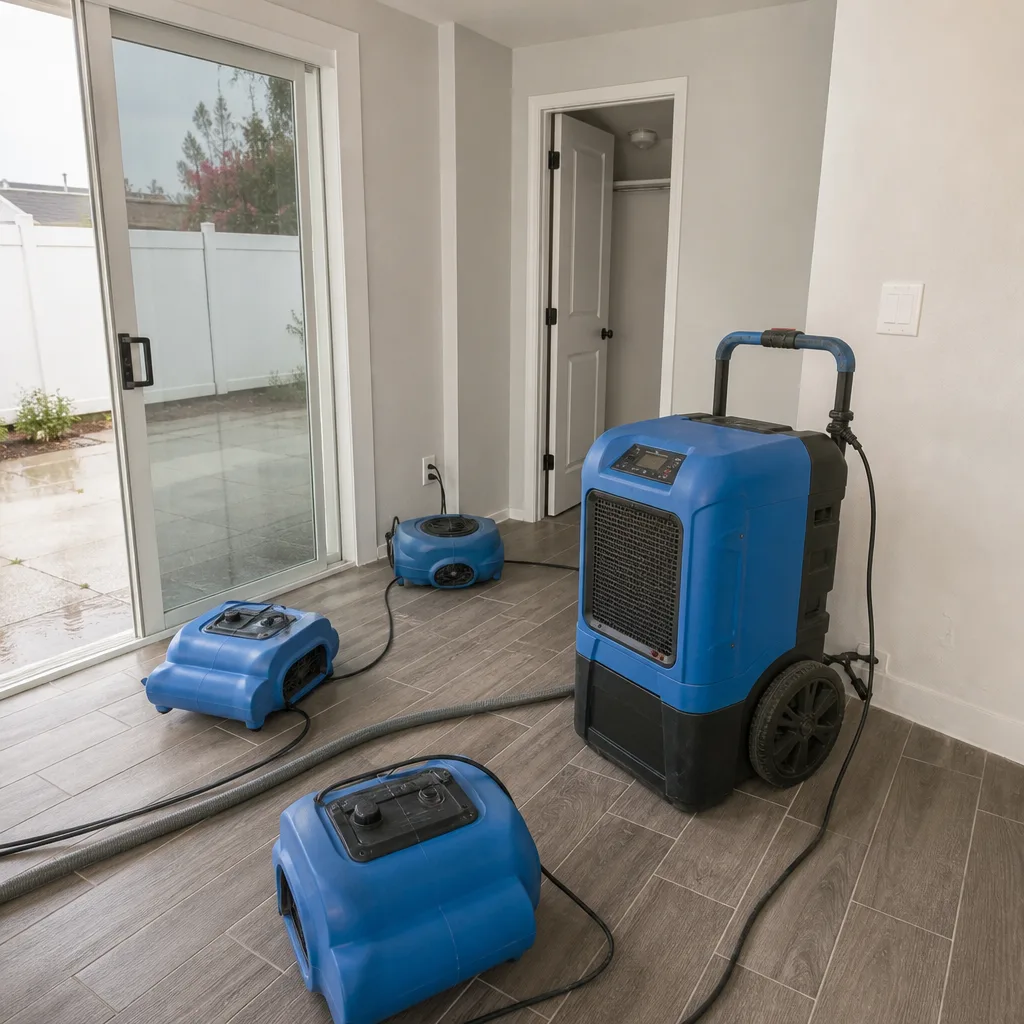
Professional-grade drying is not pointing fans at a wet spot. It’s a controlled process that restoration professionals call psychrometric drying, which simply means managing both temperature and relative humidity (RH, the amount of moisture in the air) to maximize evaporation without causing secondary damage. A proper drying setup in San Diego uses air movers to push moisture-laden air out of materials, dehumidifiers to remove that moisture from the room, and moisture meters to verify that materials are actually returning to normal levels. We run Dri-Eaz and Phoenix dehumidifiers alongside XPOWER and B-Air air movers, the same machines you’d find on commercial restoration crews, because household fans and a Home Depot dehumidifier simply cannot move enough air to dry a wall cavity in San Diego’s coastal humidity. We also use Injectidry systems to force dry air into wall and floor cavities that can’t be accessed from the surface, a step most homeowners never know exists.
For homeowners in San Diego dealing with a wet event right now, our Water Damage Restoration in San Diego page walks through the full process from first call to final moisture reading.
What It Costs
Water damage restoration pricing in San Diego varies by zone and scope, but here are realistic ranges based on what we see in the field:
- Single-room water event, caught within 24 hours: $2,500 to $5,000
- Multi-room event or slab leak, caught within 72 hours: $6,000 to $12,000
- Slab leak with lateral migration, caught after one week: $15,000 to $35,000
- Full-home water event (supply line burst, days undetected): $30,000 to $60,000+
These are San Diego market ranges, not national averages. Beach-adjacent homes run toward the high end because of the humidity factor discussed earlier.
Mold: The Clock Is Always Running
Mold does not need a flood. It needs moisture, a food source, and time, and in San Diego’s climate, all three are usually present. The moment water touches drywall or wood, the clock starts. Most mold remediation in San Diego is not the result of a dramatic flood; it’s the result of a slow leak that went unnoticed behind a wall or under a sink for weeks.
What Mold Needs and Where It Thrives
Mold needs three things: moisture, organic material, and temperatures between 40 and 100 degrees. San Diego’s mild year-round temperatures mean mold never goes dormant the way it does in colder climates. A slow drip under a kitchen sink in University Heights will grow mold in February just as readily as in August. The most common spots we find mold in San Diego homes:
- Behind washing machines and water heaters
- Under kitchen and bathroom sinks, where slow drips go unnoticed
- Inside wall cavities from pinhole pipe leaks
- Under vinyl plank flooring where water became trapped
- In attic spaces with inadequate ventilation
Why DIY Mold Removal Usually Fails
Bleach does not kill mold on porous surfaces. It changes the color of the surface mold, making it look gone, while the roots, called hyphae, remain alive inside the drywall or wood. Within days to weeks, the mold colony recovers and the visible growth returns. Worse, spraying bleach on mold can actually feed it by adding moisture. Proper mold remediation requires physical removal of colonized material, not surface treatment. That means cutting out affected drywall, treating the framing behind it, and running HEPA air scrubbers to capture airborne spores during the work. This is not a weekend project; it’s a containment job governed by IICRC standards, and doing it wrong spreads spores through the house.
For San Diego homeowners dealing with visible mold or a musty smell that won’t go away, our Mold Remediation in San Diego page covers the full process, including what a proper containment setup looks like.
What Mold Remediation Costs in San Diego
Mold remediation pricing in San Diego depends on the size of the colony and whether the source of moisture has been found and stopped. Ranges we see:
- Small, contained mold (under a sink, behind one wall section): $1,500 to $4,000
- Medium-scale mold (one full room, HVAC contamination): $4,000 to $10,000
- Large-scale mold (multiple rooms, structural involvement): $10,000 to $30,000+
If the moisture source has not been identified and repaired, mold remediation is temporary. Any honest contractor starts by finding and fixing the water source. If a bid skips that step, the mold will return, and the guarantee won’t cover it because the root cause was never addressed.
Fire Damage: What Survives the Flames and What the Water Kills
Fire damage is never just fire. The water used to put out the fire causes as much destruction as the flames, and the smoke and soot continue damaging your home long after the trucks leave. Understanding all three types of damage is how you avoid being under-scoped.
The Three Layers of Fire Damage
- Flame damage. This is the visible destruction: charred framing, melted fixtures, collapsed drywall. It’s what most people picture when they think fire damage, but it’s usually the smallest part of the total scope.
- Water damage from suppression. Fire hoses move hundreds of gallons per minute. A typical house fire response in San Diego puts 1,000 to 3,000 gallons of water into a structure, often more than the fire itself destroyed. That water saturates floors, walls, and ceilings in rooms the flames never touched.
- Smoke and soot damage. Smoke is acidic and carries soot into every room the air reaches. Within hours, soot begins etching glass and permanently discoloring paint and fabrics. Within days, the acidic residue corrodes metal fixtures. Smoke damage often extends through the entire home, even rooms distant from the fire.
This is why fire restoration is a three-part job: structural rebuild for flame damage, drying and extraction for the water, and comprehensive smoke cleanup for the residue. A bid that only addresses the visible flame damage will leave you with a house that smells like smoke for years. For San Diego homeowners dealing with the aftermath of a fire, our Fire Damage Restoration in San Diego page covers the full timeline.
What Fire Restoration Costs in San Diego
Fire restoration is the most variable pricing category because the scope depends on the fire’s size, the amount of water used, and the extent of smoke migration. Ranges based on what we see in San Diego:
- Small kitchen fire, contained quickly: $8,000 to $20,000
- Single-room fire with smoke throughout the home: $20,000 to $50,000
- Multi-room fire with structural damage: $50,000 to $150,000+
These are rebuild-and-restore ranges, not mitigation-only. Fire jobs are the most commonly under-scoped work in the restoration industry, because the smoke damage is invisible until someone knows what to look for.
What a Complete Job Looks Like: From First Call to Final Walkthrough
A proper damage restoration job in San Diego follows a sequence. Cutting corners at any step will show up later, usually as a callback or a failed repair. Here’s the full sequence as we run it, aligned with the values Carl Brandt established when he founded Dryden Restoration San Diego in 2005: say the price before the work, show up in the window we gave, leave the place cleaner than we found it, put the guarantee in writing, and come back if it fails.
Step 1: The Call and the Assessment
You call, a live person answers, every time. That’s 24 hours a day, 7 days a week, not a voicemail. We ask what happened, what you’re seeing, and whether you’ve shut off the water if that’s the issue. Then we schedule an assessment and give you an arrival window, not “sometime this afternoon.”
Step 2: The Written Scope and Price
Before any tool is touched, you receive a written scope of work with a price. That price separates mitigation, remediation, and restoration into line items. It does not change at the door. If the assessment reveals additional damage mid-job, we stop, explain what we found, show you the evidence, and get approval before proceeding. No surprise change orders.
Step 3: Mitigation and Drying
Equipment goes in, water gets extracted, unsalvageable materials get removed. Drying begins with professional-grade equipment: Dri-Eaz and Phoenix dehumidifiers, XPOWER and B-Air air movers, Injectidry systems for wall cavities. We take moisture readings daily and document everything with photos.
Step 4: Remediation, If Needed
If mold is present or the event was a sewage backup, remediation happens before rebuilding. Containment goes up, contaminated material is removed per IICRC standards, and air scrubbers run to capture airborne spores. This phase ends with clearance testing to confirm the space is safe.
Step 5: Restoration and Rebuild
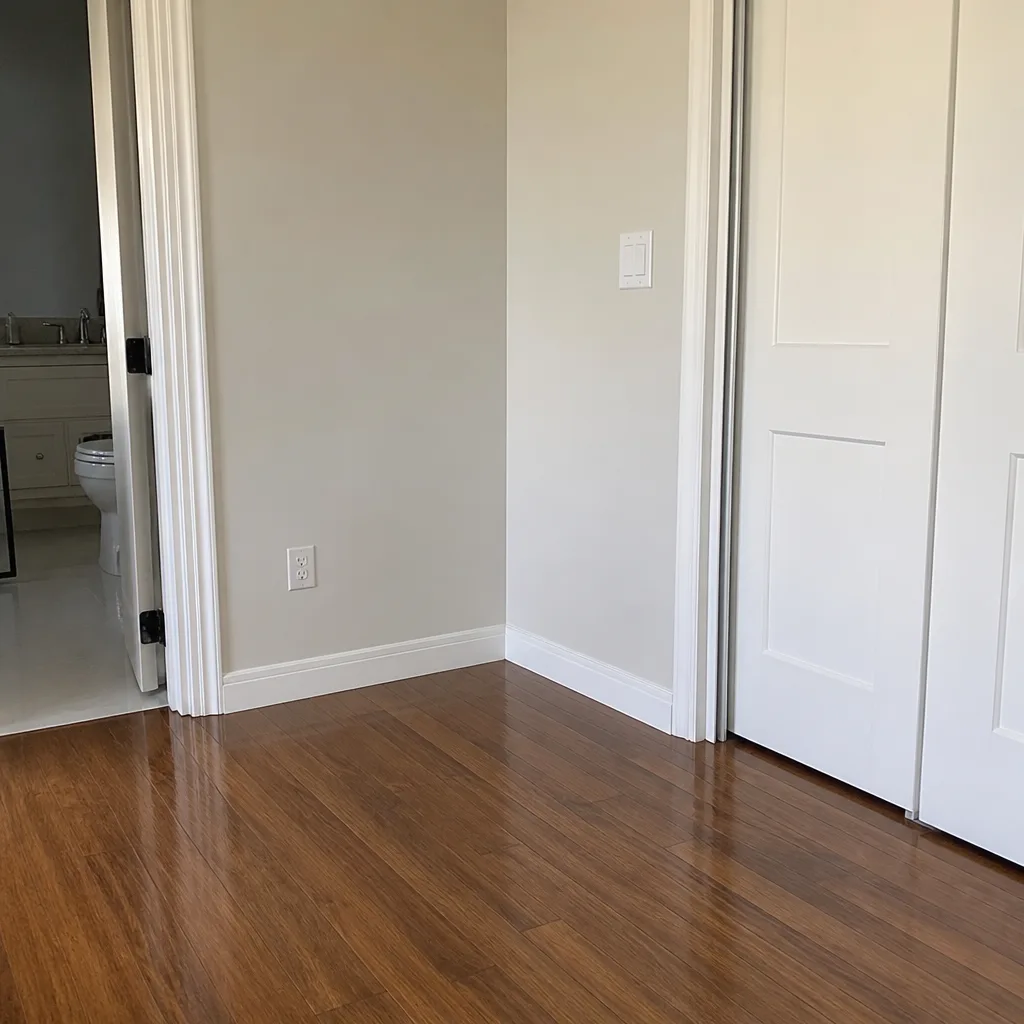
New drywall, paint, flooring, trim, and fixtures go in. This phase is scheduled work, not emergency response, and it’s performed to a finish standard, not a dry-it-out standard.
Step 6: Final Walkthrough and Written Guarantee
We walk the job with you, confirm the work matches the scope, and hand you the 365-Day Done Right Promise in writing. If any covered repair fails within a year, we return and correct it at no charge. That’s a documented commitment, not a verbal assurance.
Working With Your Insurance Adjuster: The Documentation That Actually Matters
Insurance is almost always in the room, even when nobody says the word. The difference between a smooth claim and a denied or delayed one comes down to documentation. Here’s what your adjuster actually needs, based on what we’ve seen make the difference in San Diego claims.
What Adjusters Look For
- Moisture readings. An adjuster won’t trust “it felt wet.” They trust documented moisture meter readings showing elevated moisture levels before and after drying. Professional readings with make and model of the meter carry weight.
- Photo documentation. Before photos, during photos, and after photos. Every step. The more complete the photo record, the harder it is for a claim to be questioned. We document every phase, and that documentation has made the difference in dozens of San Diego claims.
- Line-item scope separation. Adjusters process mitigation, remediation, and restoration as separate categories. A scope that blurs them gets kicked back. A clean, separated scope moves through faster.
- Equipment logs. What equipment was used, where it was placed, and for how many days. This validates the drying time and cost.
- Moisture mapping. A diagram or description showing the full affected area, not just the visible spot. This matters especially in slab leaks where the water migrated under the concrete.
Who Talks to the Adjuster?
You can handle the claim yourself, but you don’t have to. A restoration company that works with insurance regularly can coordinate directly with your adjuster, provide the documentation, and advocate for the scope the job actually requires. That’s a service we provide on every insurance job in San Diego, and it’s the fastest way to avoid the “your contractor over-scoped this” pushback that delays claims.
Common Mistakes to Avoid
- Waiting to see if it dries on its own. In San Diego’s coastal humidity, it will not dry on its own. Every day of waiting adds cost and moves you from mitigation into remediation.
- Trusting a visual inspection over moisture readings. Drywall can feel dry to the touch and still hold enough moisture to grow mold. If your contractor isn’t using moisture meters, they’re guessing.
- Accepting a bid that doesn’t separate mitigation, remediation, and restoration. Blurred categories mean you can’t verify what you’re paying for. A legitimate scope has three sections.
- Using bleach on mold. Bleach does not kill mold on porous surfaces. It bleaches the color while the roots survive, and it adds moisture that feeds the colony. Physical removal is the only fix.
- Underestimating smoke damage after a fire. Smoke migrates through the entire home, including rooms the flames never touched. Skipping comprehensive smoke cleanup means living with the smell for years.
- Ignoring a slow leak because it’s “not that bad.” The slow leaks are the ones that grow the biggest mold colonies because they run for weeks or months unnoticed. A pinhole leak behind a wall is a bigger long-term problem than a pipe that visibly bursts and gets shut off immediately.
- Hiring based on the lowest bid without checking what’s included. The lowest bid is often a mitigation-only price that doesn’t include restoration. You’ll find out when the drying equipment comes out and the drywall stays missing. Get the full scope in writing.
See the difference
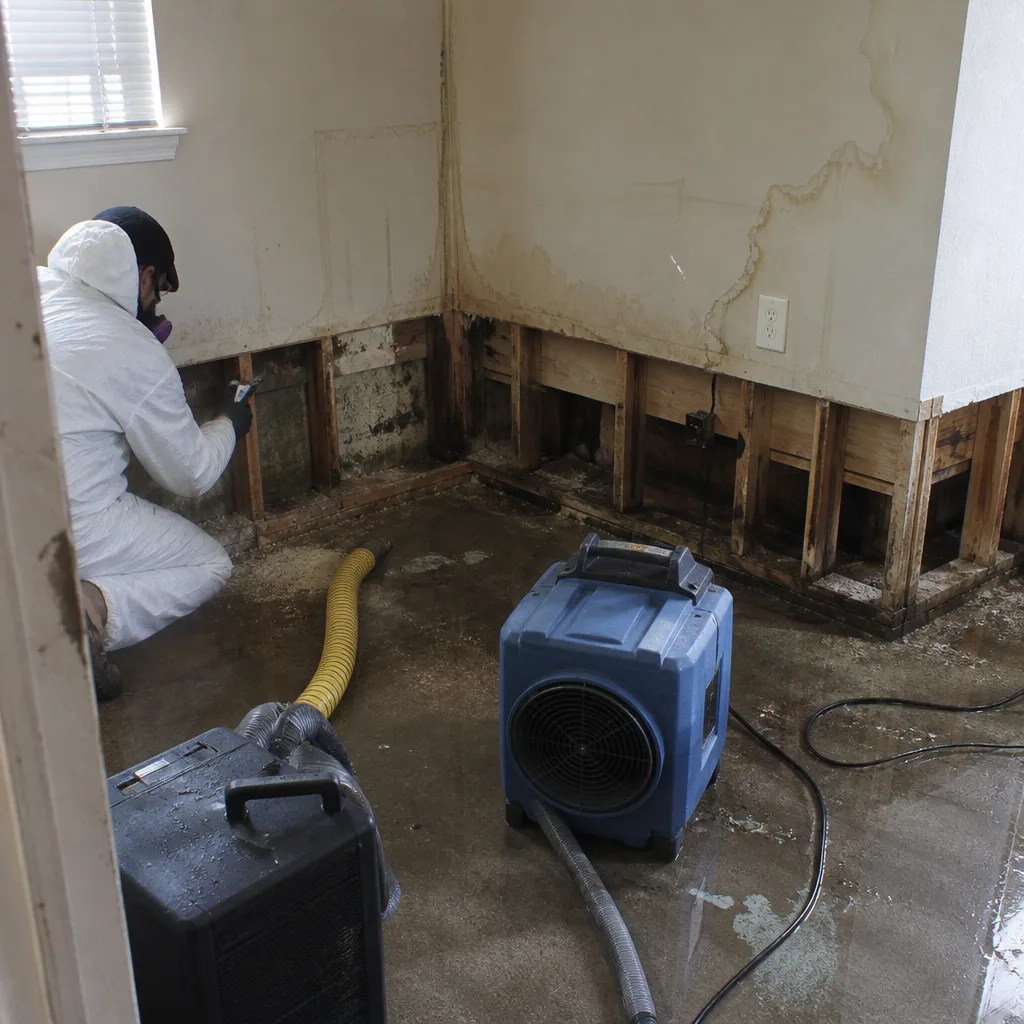 Before
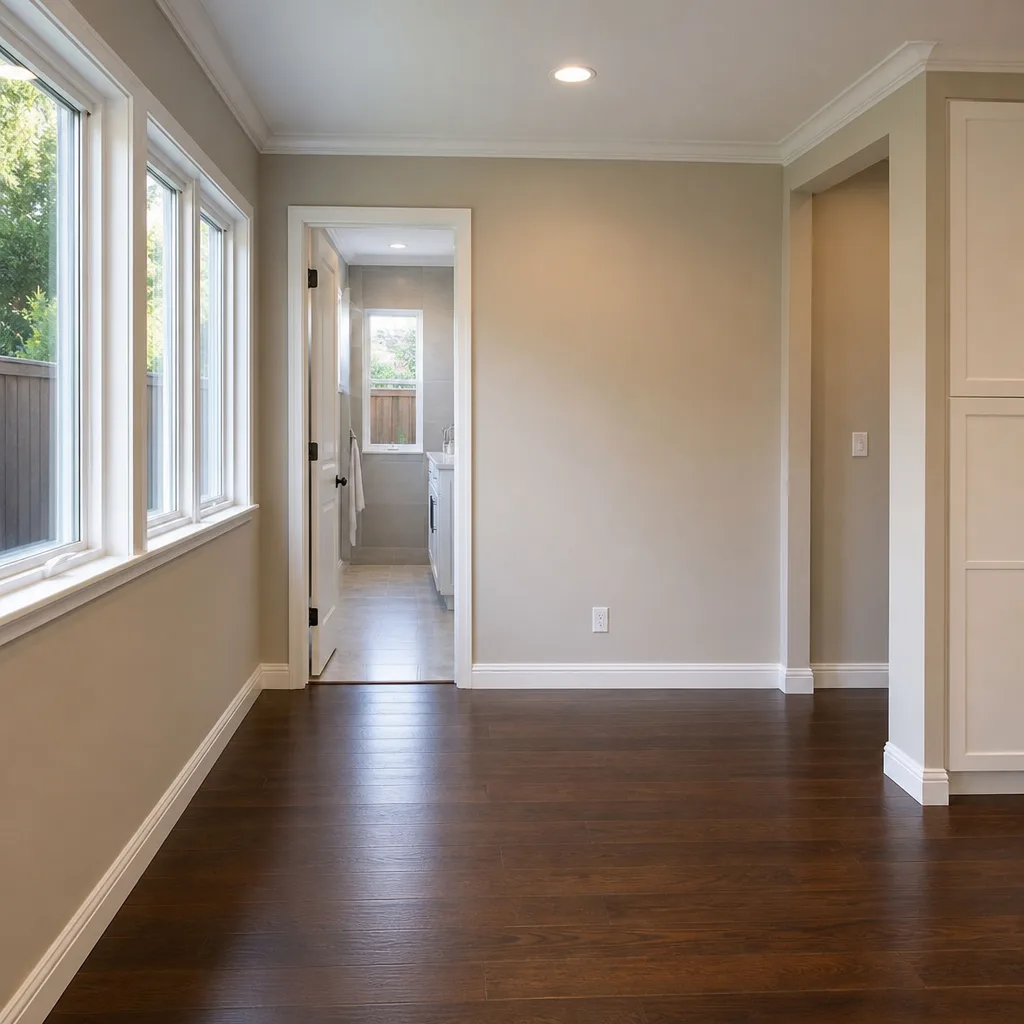 After
After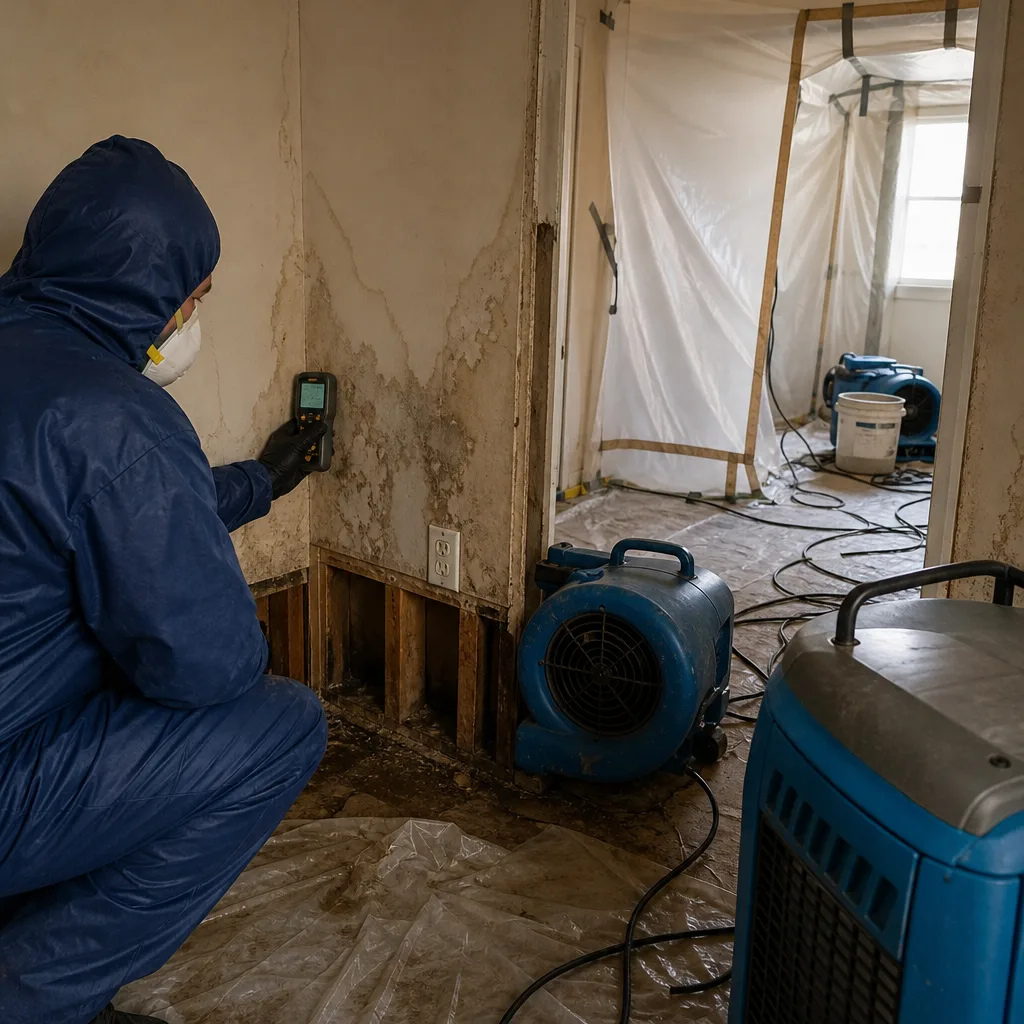 Before
 After
After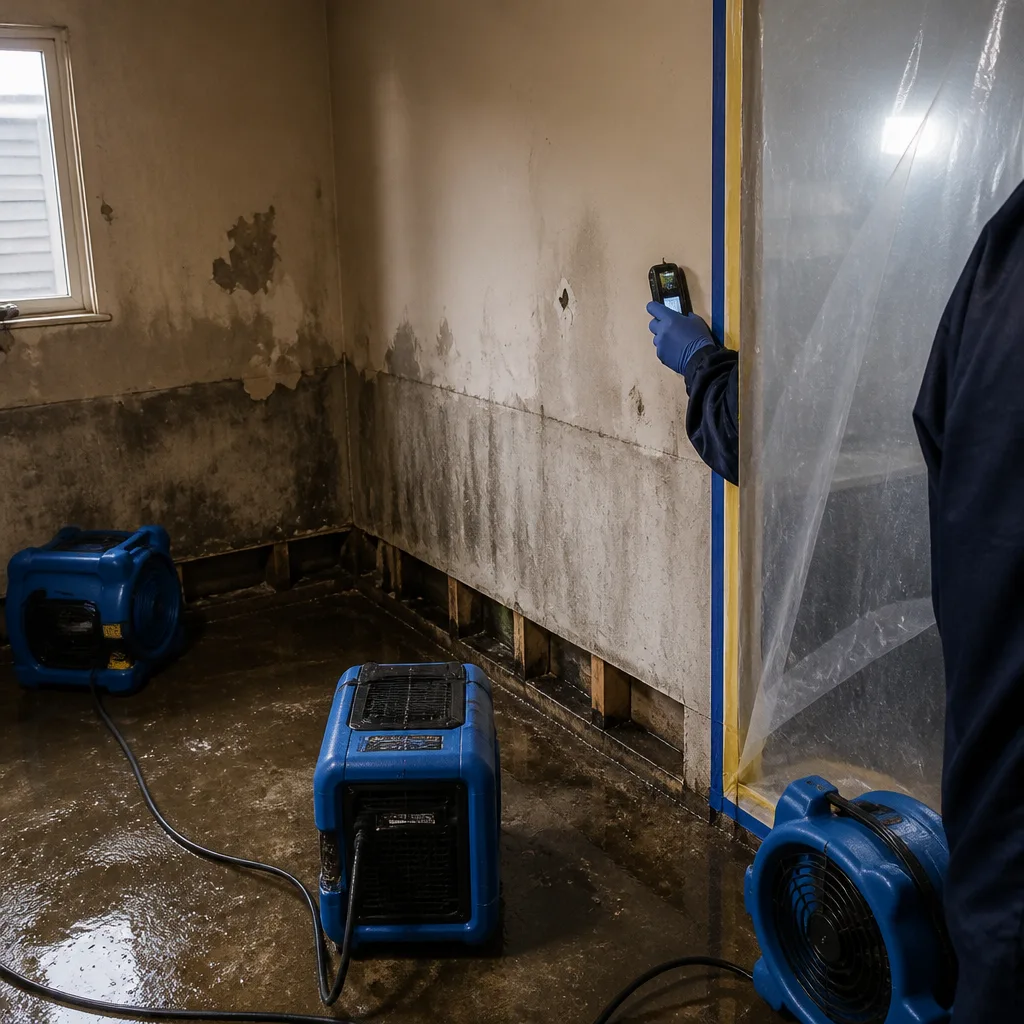 Before
 After
AfterWhen to Call a Professional
Call a professional when water has touched drywall or flooring, when you see visible mold or smell a persistent musty odor, when fire has affected any part of your home, or when you suspect a slab leak. If you’re reading this because something already happened, the answer is now. The sequence moves fast, and every stage is more expensive than the last. Dryden Restoration San Diego offers free estimates throughout San Diego, and a live person answers the phone 24 hours a day. Call (619) 453-0410 and we’ll walk you through what you’re dealing with, tell you what it should cost, and send a background-checked technician in a Dryden uniform to take a look.
Frequently Asked Questions
Damage restoration in San Diego typically costs between $2,500 and $18,000, with most water damage jobs landing between $4,000 and $12,000, mold remediation between $3,000 and $10,000, and fire restoration starting around $8,000 for a small kitchen fire. The cost depends on how early the damage is caught, how far water has migrated under the slab, and whether the job requires drying only, material removal, or a full rebuild. For more guides & resources, visit our blog, or call (619) 453-0410 for an exact quote; estimates are free, and the price is written before any work starts.
Most homeowner policies cover sudden and accidental water damage, fire damage, and mold remediation when it results from a covered event, but not slow leaks or neglect that went unreported for weeks. The key to a smooth claim is documentation: moisture readings, photos from every phase, and a scope that separates mitigation, remediation, and restoration into line items. Dryden Restoration San Diego coordinates directly with your adjuster and provides the documentation they need; call (619) 453-0410 to discuss your specific situation.
In a water or fire emergency, same-day response matters because the damage worsens by the hour. Dryden Restoration San Diego has live phone support 24 hours a day, 7 days a week, and we schedule emergency assessments same day in most San Diego neighborhoods. Call (619) 453-0410 and a person answers, not a voicemail.
If water touched drywall or flooring more than 48 hours ago, it’s not a cleaning job, it’s a remediation job. Mold grows inside the wall cavity, not just on the visible surface, and surface cleaning leaves the roots alive. The honest test is moisture readings: if materials are still holding elevated moisture, they need to be removed or professionally dried, not wiped down. Call (619) 453-0410 for a free assessment that tells you which category you’re actually in.
In San Diego’s coastal neighborhoods, where relative humidity averages 70 to 75 percent, professional drying typically takes four to six days, compared to three to four days in drier inland areas like El Cajon or Santee. Beach-adjacent homes in Ocean Beach, Pacific Beach, and La Jolla run longer because the air is already saturated, reducing the vapor pressure differential that drives evaporation. A proper drying plan accounts for this upfront, not in a surprise change order.
The 365-Day Done Right Promise is a written guarantee that covers the repairs Dryden Restoration San Diego performs. If any covered repair fails within one year of completion, we return and correct it at no charge. That’s a documented commitment on every job, not a verbal assurance, and it’s part of the Kingswell Guarantee that governs every project we take on in San Diego.
The Bottom Line
Damage restoration in San Diego is a sequence, and the sequence rewards speed. A water event caught in the first 24 hours is a drying job. The same event at day five is a mold remediation job. At day ten, it’s a rebuild. San Diego’s clay soil, slab foundations, and coastal humidity make this city’s damage profile different from anywhere else in the country, and the contractor you hire needs to know that. What you need is a written price before work starts, a named arrival window, documentation your insurance adjuster will accept, and a written guarantee that means something. That’s how the job should work, and it’s how we do it. For a broader look at what we do across San Diego, start at our Dryden Restoration San Diego home page, or call (619) 453-0410 for a free estimate.
Written by Carl Brandt, Owner at Dryden Restoration San Diego, serving San Diego since 2005.